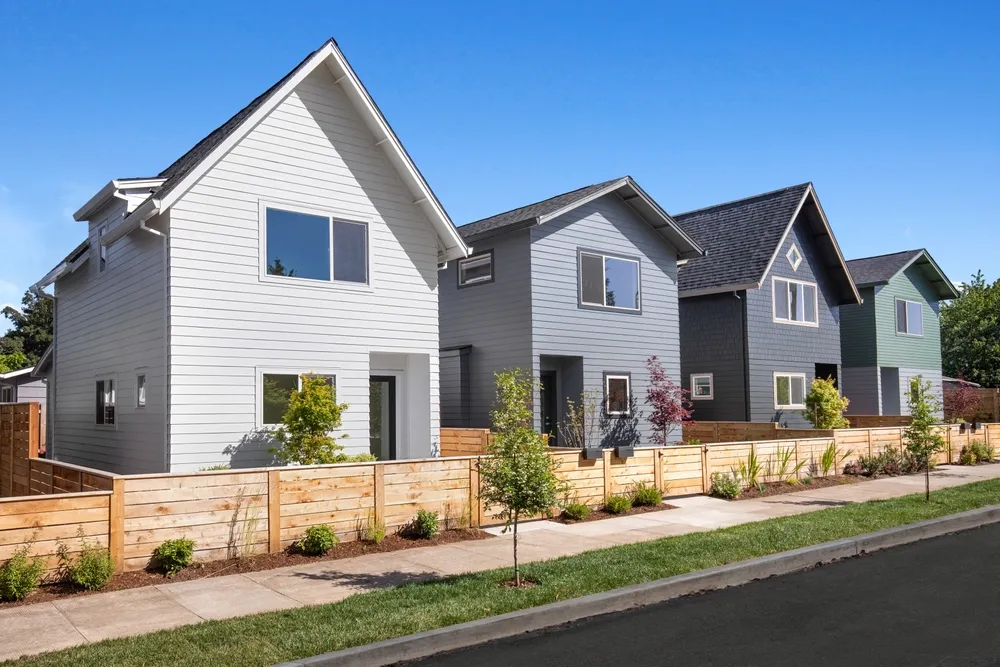
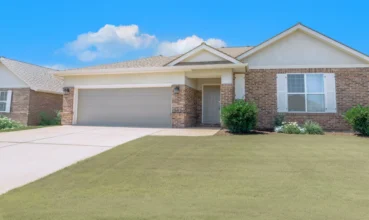
For the past few years, buyers shopping for cottage cluster homes in Portland, Oregon faced a strange tradeoff: newer, efficient homes in walkable neighborhoods, but often tiny, sometimes under 800 square feet. That cramped footprint wasn’t a design choice. It was a direct result of the city’s fee structure, which forced developers to build small.
Now that constraint has lifted. As of mid-2026, Portland buyers are seeing cottage cluster units in the 1,200 to 1,500-square-foot range: homes with enough room to function as primary residences rather than starter compromises.
Kadoh Swiatkowski, co-founder of Amika Development, a Portland-based cottage cluster developer, explains how the math worked before and why it changed.
How Fees Shrank Home Sizes
Portland charges system development charges, known as SDC fees, on new construction. These fees fund infrastructure such as roads, sewers, and parks, and they add meaningful cost to each unit a developer builds. A few years ago, the city offered a waiver: homes selling for under $450,000 qualified for their SDC fees to be waived.
That sounds buyer-friendly, but hitting that price ceiling while still turning a profit meant developers had to shrink units dramatically. Swiatkowski describes the result: “In order for it to make sense for the builder, the developer, the person buying on the other side, they had to make the units quite small.” The market filled with 700 to 800 square foot cottages, and he says “there was definitely an oversaturation in the market in terms of the type of size of units.”
For buyers, the only affordable new-construction option in dense Portland neighborhoods was essentially a large studio or modest one-bedroom. Families were excluded from these developments by size, not by cost.
What the Blanket Waiver Changed
Portland has since waived SDC fees across the board. According to Swiatkowski, the waiver is temporary, running through 2028, and it isn’t tied to a sale price cap. That single policy shift removed the incentive to build tiny units. Developers can now build larger homes, price them at market rates above the old $450,000 threshold, and still avoid the fee burden that once made only homes under 800 square feet profitable.
Amika Development’s current projects reflect the shift. “Our cottages are anywhere from 1200 to 1500 square feet,” Swiatkowski says. That’s nearly double the size the previous fee structure encouraged. It also puts cottage clusters in direct competition with condos and older single-family homes for the first time.
Filling Portland’s Housing Gap
Portland’s housing stock has a gap in the middle. Swiatkowski describes it plainly: “There are condos that are priced quite low, but you don’t get access to a backyard. You’re on the same floor as 13 other people.” On the other end are large historic homes priced around a million dollars for 3,000 square feet, out of reach for most buyers.
Cottage clusters in the 1,200 to 1,500 square foot range land squarely in between. They offer private outdoor space, detached walls, and a neighborhood feel at prices below the historic single-family stock. Swiatkowski frames the offering as “more attainable while also having space that allows you to live in an area that you love without having to sacrifice space.”
Risks Buyers Should Watch
The temporary nature of the waiver is the central risk. If SDC fees return after 2028 without a new exemption, the economics could shift again. That could push future cottage developments back toward smaller footprints. Buyers looking at these larger units today are getting homes shaped by a policy window, not a permanent market condition.
Supply also remains far short of demand. Portland built only 1,652 housing units last year against a goal of 6,000, according to Swiatkowski. Cottage clusters are the second most common type being built, but the overall pipeline falls well below what the city needs. Competition for well-located units in this size range may tighten as more buyers discover they exist.
For anyone house-hunting in Portland’s denser neighborhoods in 2026, cottage cluster listings today look materially different from those posted two or three years ago. That size difference traces directly to a policy change with a defined expiration date.
About the Expert:Kadoh Swiatkowski is a Co-Founder of Amika Development, a Portland-based firm co-founded with Amirah Fattom, specializing in cottage cluster infill development through landowner partnerships.
This article is intended for informational purposes only and does not constitute legal, financial, or investment advice. The views and opinions expressed herein reflect those of the individuals quoted and do not represent an endorsement of any company, product, or service mentioned. Readers should conduct their own due diligence and consult qualified professionals before making any investment decisions.