Commercial construction across the Phoenix metro area remains steady, driven by population growth, corporate relocations, and an expanding base of small businesses looking to establish or grow their physical presence. But for many business owners navigating the tenant improvement process for the first time, the path from signed lease to open doors is rarely as straightforward as it appears.
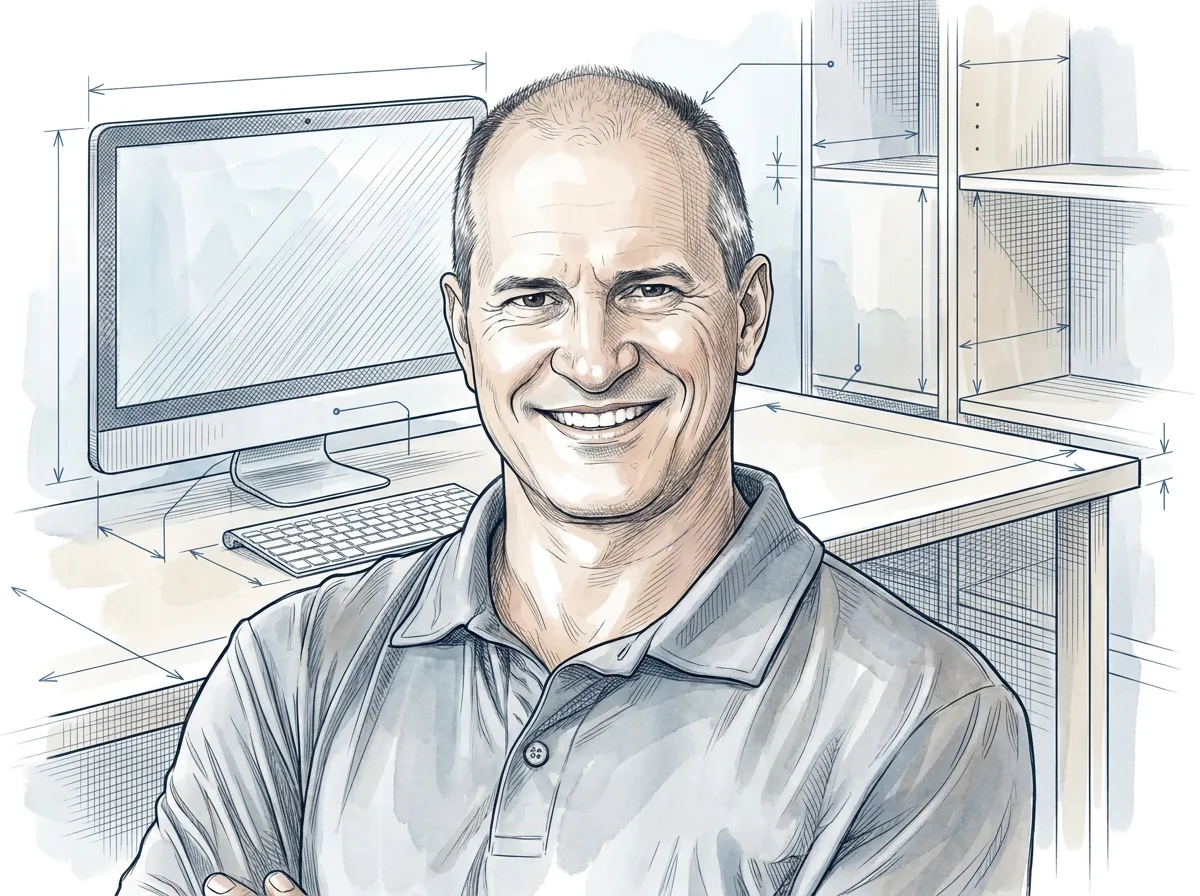
Mike Marden, founder of WDS Commercial LLC and WDS Architecture, works at the intersection of architecture and construction, guiding business owners through the full build-out process. His perspective offers a useful window into what is actually happening on the ground in one of the country’s more active commercial markets.
The Integrated Model and Who It Serves
WDS operates as an integrated design-build firm, but Marden distinguishes that label and what his company actually does. Rather than handing off work between separate architects, engineers, and contractors, the firm brings tradespeople into the design phase and keeps engineers involved through construction. “Everybody is integrated into the process,” Marden says.
The practical effect is that clients deal with a single point of contact from site evaluation through construction completion. Most are business owners who understand their own operations well but have little experience with the building process, how to develop drawings, secure permits, and manage construction.
The client mix is broadening, however. While first-time operators remain the core, WDS increasingly works with established businesses on second and third locations, or helps existing facilities improve specific operations. That expansion suggests the integrated model is gaining traction beyond the startup phase.
What the Phoenix Market Looks Like
The broader narrative around Phoenix as a growth market holds up in Marden’s day-to-day experience. Corporate migration has brought jobs, which have brought residents, creating demand for services, retail, and commercial space. “Those who have moved to the metro area to take advantage of jobs and housing are still riding that wave,” he notes.
The composition of that demand has evolved. Industrial and technology-related projects now dominate the pipeline. Semiconductor manufacturing, AI-adjacent businesses, and production facilities generate more work than traditional retail build-outs. Wellness businesses – fitness, skincare, and personal care – remain a consistent secondary category, showing resilience through economic cycles.
Geographically, activity is spread across the metro rather than concentrated in any single corridor. Outer-ring cities, including Buckeye, Goodyear, Queen Creek, and East Mesa, are experiencing significant growth as housing development attracts larger employers, which in turn draw supporting businesses. Infill markets in Tempe, Phoenix, and Scottsdale remain active as established neighborhoods repurpose existing buildings for new uses.
Where Projects Stall
The most common reason commercial projects fail to reach completion goes beyond funding problems alone. Marden is direct: “To get to the heart of it, it’s probably the wrong team.” Projects that stall tend to share a common thread: key questions about budget, timeline, and readiness were not asked early enough.
His firm’s intake process surfaces those issues before work begins. The triage conversation covers what problem the client is solving, where they are in the process, what their realistic timeline looks like, and whether their budget reflects actual research or just available funds. “If we can’t tear off that band-aid initially – if we’re not aligning right at the moment – then we avoid the misfire,” he says.
One recent project illustrated the downstream cost of skipping that alignment. A client arrived with drawings from an architect and an interior designer who had never coordinated with each other, plus notes from a contractor who had attempted to start construction before the project stalled. WDS was able to reconcile the documents and get things moving, but the situation was avoidable.
The Hidden Costs
When business owners attempt to budget a build-out on their own, two categories of cost consistently get underestimated. The first is code-mandated safety infrastructure. Owners tend to think about wall finishes, flooring, lighting, and storefront windows – the visible elements – but overlook fire sprinklers, emergency door hardware, fire alarms, and exit doors. These are not optional line items, and they add up quickly.
The second is the cost of running a construction operation. Marden frames it plainly: the materials are the easy part. What contractors actually manage is risk: safety protocols, insurance, site technology, cameras, and personnel. The overhead associated with running a job site is what business owners tend to question when they see contractor markups. Understanding what those markups actually cover changes the conversation.
Existing Build-Outs Transfer
One of the more persistent misconceptions involves existing commercial spaces. Business owners frequently assume that moving into a space previously used for a similar purpose will save time and money; a new restaurant moving into a former restaurant space is the common example.
The reality is more complicated. Codes change over time, and any renovation that opens walls or touches systems triggers current compliance requirements. A restaurant space that operated for 25 years may not meet today’s standards for GFCI outlets in commercial kitchens or updated grease trap specifications. “Sometimes it’s better for them to just move into a blank space and build it new,” Marden says. “They’re not necessarily going to save money by reusing what was there, unless it was recent.”
Construction Costs
On the cost side, the post-pandemic inflation that roughly doubled construction prices has not fully reversed. Pricing remains volatile, moving with material markets every quarter. Material availability has stabilized compared to the supply chain disruptions of a few years ago, but costs continue to fluctuate.
The permitting environment has become a more consistent source of friction. Reduced face-to-face access to city officials and the shift toward digital submission processes have, in some cases, slowed rather than accelerated review timelines. “We’re disconnected from city officials; we can’t go face to face, we push a button and hope somebody’s reviewing it,” Marden says. For clients who engage early with a well-prepared application, the process is manageable. For those who arrive underprepared, delays compound quickly.
Starting Earlier
The thread running through most of Marden’s observations is timing. Business owners who engage a qualified team early, before committing to a space, before finalizing a budget, before assuming a previous tenant’s build-out is reusable, tend to avoid the most costly mistakes. Those who arrive after problems have developed face a harder path.
As Phoenix continues to attract businesses across a widening range of industries, demand for commercial build-out expertise is unlikely to ease. What will separate successful projects from stalled ones is largely what it has always been: the right team, the right questions, and enough runway to answer them honestly before construction begins.
About the Expert: Mike Marden is the founder of WDS Commercial LLC and WDS Architecture, an integrated design-build firm serving commercial clients across the Phoenix metro area.
This article is based on information provided by the expert source cited above. It is intended for general informational purposes only and does not constitute legal, financial, or real estate advice. Readers should conduct their own research and consult qualified professionals before making any real estate or financial decisions.