In most Sun Belt relocation stories, the destination is Florida. North Carolina’s Triangle region shows a different pattern. Students arrive for university, stay for jobs, and start families. Then their parents follow.
Dave Harney has nearly 20 years of real estate experience with Coldwell Banker Advantage in the Wake Forest area. He says this multi-generational chain is pulling affluent buyers away from Florida. In his view, the Triangle has also avoided the sharp price swings Florida’s coastal markets have seen in recent decades.
Franklin County, just north of Wake County, is now North Carolina’s second-fastest-growing county, according to Harney. He says the Wake Forest and Triangle area has ranked among the top 10 to 12 U.S. relocation destinations through several market cycles.
“Florida’s [had] significant ups and downs in the real estate world over the last few decades, while North Carolina has remained consistent,” Harney says.
Harney credits that consistency to three factors: a strong job base, lifestyle appeal, and a central location. He says Florida’s coastal markets have struggled to match that mix.
Multi-Generational Migration
The Triangle’s migration pattern starts not with retirees but with students. Students from across the country and abroad come to NC State, Duke, and other universities in the area. Many stay for jobs at tech, pharmaceutical, and software companies in Research Triangle Park.
“They end up liking it and the job opportunities; they put down roots; they start families; and guess what? The parents, soon to be the grandparents, follow,” Harney says.
The second wave is parents nearing retirement. Harney says they find the Triangle’s climate, cost of living, and lifestyle well suited to the move. “It’s a great place for retirees to rejoin their families,” he says.
As a result, the Triangle draws several generations at once instead of relying on one age group. Working professionals with steady jobs keep housing demand strong. Markets that depend mainly on retirees are more exposed to changes in who is moving.
Mountains-to-Coast Location
Harney points to a location factor that rarely shows up in migration data but still shapes buyer decisions. The Triangle sits roughly halfway between the North Carolina mountains and the Atlantic coast. For executive buyers, both Asheville and the coast are a few hours’ drive away. Markets that are only coastal or only inland cannot offer both.
The climate also plays a role. Harney describes it as mild, with four distinct seasons. It is warm enough for outdoor activity year-round, and the seasons change enough to appeal to buyers from northern states.
Closer to home, Harney describes Falls Lake as “smack dab in the middle of Wake Forest.” The lake offers boating, hiking, and camping, so residents do not need a second property for recreation.
Top Buyer Priorities
Harney says relocating buyers most often ask about three things: schools, access to medical care, and family activities, including outdoor recreation. For buyers moving from another state or another country, these concerns often matter more than price.
Harney encourages relocating buyers to spend at least a few days in the area before committing. “Get a feel for everyday life,” he says. That way, buyers feel confident in the move before they start the home search.
Staged Family Moves
Corporate relocations to the Triangle often happen in stages. One spouse usually arrives first for the new job and may live in temporary or company-provided housing while the home search begins. The rest of the family visits several times before the full move.
Harney says much of this activity comes through corporate relocation programs at large employers moving staff to the region. The staged approach gives families time to see schools, commutes, and neighborhoods in person. Because many of these families plan to stay long-term, that planning shapes the kind of home they buy.
Custom Home Demand
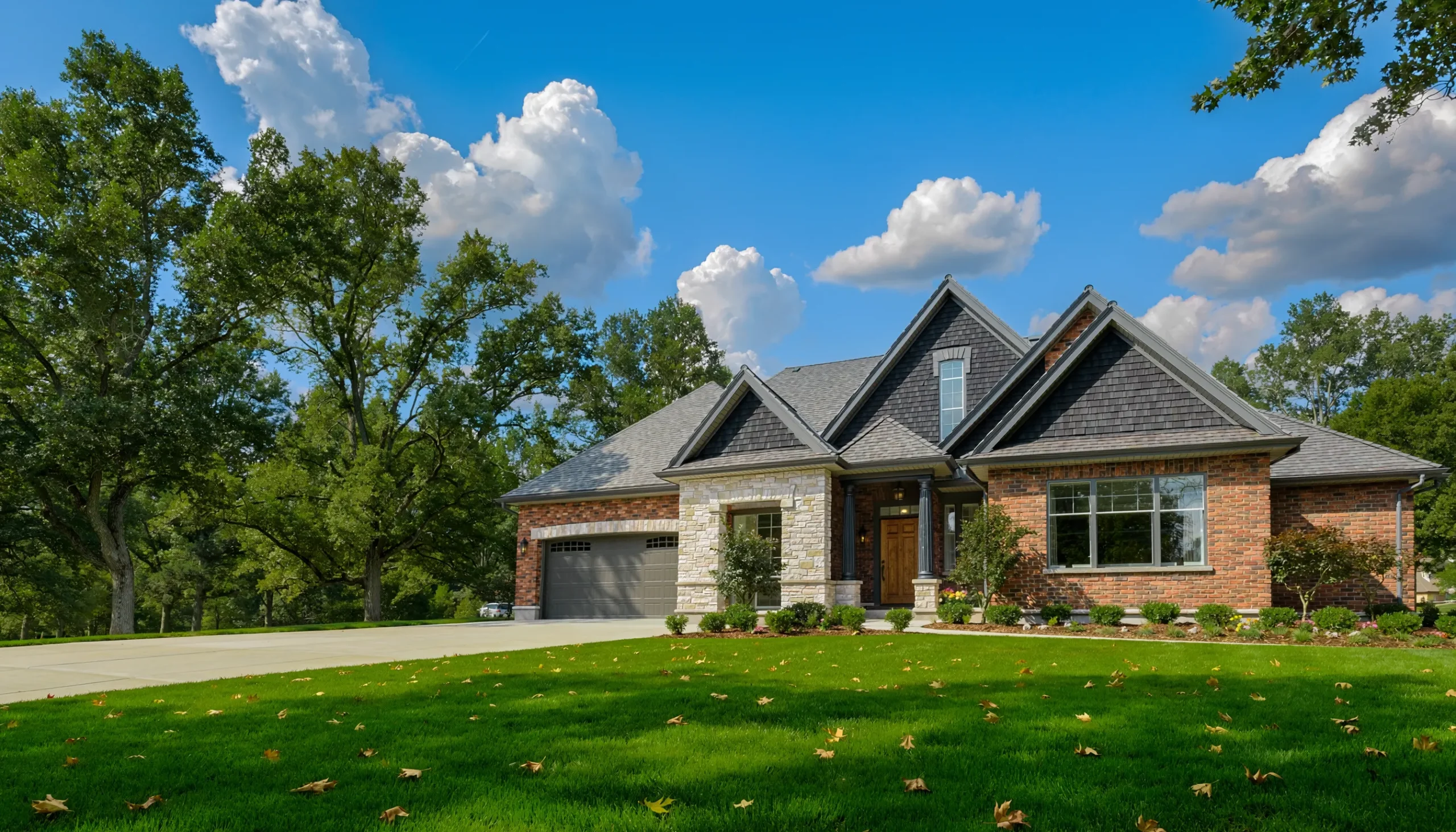
Many executive buyers want a permanent home built to their own specifications rather than a resale property. Harney says the builders in this segment are one-off custom builders, so no two homes are alike. At one new community in the area, he says, prices start at $1 million, and a presale custom home has gone under contract at $1.8 million.
Builder incentives also work differently at this price point. Production builders often offer rate buydowns (paying to lower the buyer’s mortgage rate) or help with closing costs. Harney says custom builders instead add extra features to the home within the agreed price. That demand for long-term, high-end homes fits the broader pattern in the Triangle: buyers who move here tend to plan on staying.
Several Demand Drivers
Harney acknowledges that no market is immune to downturns. Still, the Triangle draws demand from several sources: a deep job base, university-driven population growth, and families moving across generations. Markets that rely on a single source of demand lack that stability.
For buyers deciding where to relocate, Harney suggests asking whether a market depends on one factor or several. In the Triangle, he says, several work together.
About the Expert: Dave Harney has spent nearly 20 years in the Research Triangle market and leads the Compass Team at Coldwell Banker Advantage, focusing on the Wake Forest and Franklinton corridor of North Carolina.
This article is intended for informational purposes only and does not constitute legal, financial, or investment advice. The views and opinions expressed herein reflect those of the individuals quoted and do not represent an endorsement of any company, product, or service mentioned. Readers should conduct their own due diligence and consult qualified professionals before making any investment decisions.