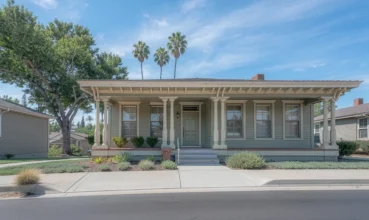
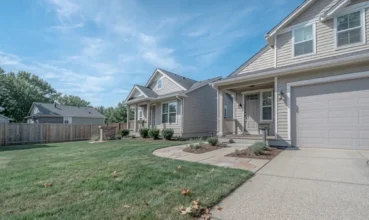
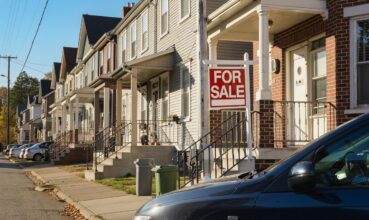
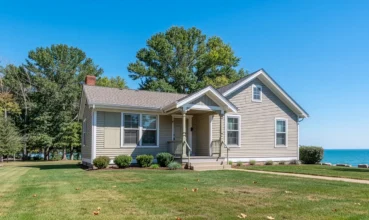
Across much of the United States, the housing market in mid-2026 is showing signs of cooling. Inventory is climbing in Sun Belt cities, days on market are stretching, and buyer sentiment has softened in many metros. Nassau County on Long Island, however, is telling a different story, one defined by scarce supply, fast-moving inventory, and a seller’s market that shows little sign of reversing.
For agents working the South Shore communities between Queens and Suffolk County, these conditions create both opportunity and complexity. Frank Monforte, a licensed real estate salesperson at Corcoran | SRG Residential serving Nassau and surrounding areas, has spent four years building a practice in the middle of this market, and his observations offer a ground-level view of what’s driving transactions right now.
A Market Built on Constrained Supply
The most fundamental force shaping Long Island real estate isn’t interest rates or buyer sentiment; it’s land. Unlike high-growth markets in Florida or the Southwest, Nassau County has been largely built out since the postwar era, leaving almost no room for new single-family development.
“There’s not enough dirt to build on,” Monforte explains. “These communities were very developed back in the 50s. It’s not like Florida, where you have all this open space, and they’re building these big communities.”
What new construction does exist skews heavily toward multifamily rentals or high-end condos. A development underway in Melville is bringing condominiums to market, and Suffolk County has some affordable housing projects in progress. Still, new single-family homes at accessible price points are essentially absent from the pipeline. The result is a market whose values have trended upward by three to five percent annually for over a decade, with no clear catalyst for a reversal.
Inventory Tells the Story
The numbers support that view. Long Island is currently sitting at roughly two to three months of housing inventory, a figure that stands in sharp contrast to markets like South Florida, where supply has expanded to seven or eight months. At that level, Nassau County remains firmly in seller’s market territory, and well-priced homes are reflecting it.
In communities like Massapequa, homes are routinely going pending within two weeks. The key phrase, however, is “well-priced.” The pricing strategy that works here is counterintuitive to many sellers: list below where you expect the home to sell.
Monforte recommends pricing a home $50,000 to $100,000 less than its expected sale price. Underpricing generates competitive interest, attracts multiple offers, and ultimately drives the final price higher than a listing that enters the market at its ceiling price. Homes priced at or above their likely sale value tend to sit on the market, and sitting on Long Island sends a signal to buyers that something is wrong.
The Sweet Spot
Not all price points are moving at the same rate. The strongest demand is concentrated in the $800,000 to $900,000 range, where the buyer pool is deepest, and competition is most intense. Move above $2 million, and the dynamics change considerably.
“The luxury market is always tougher; you have a smaller buyer pool,” Monforte observes. “You’re talking about next-level people buying those homes. There’s just fewer of them out there.”
Even within the active mid-range, property characteristics matter. Basements, garages, and functional living spaces are baseline expectations for most Long Island buyers, not optional features. A listing Monforte describes. a three-bedroom, one-bath cape in Smithtown with no basement and a sloped rear yard, has moved more slowly than anticipated despite being in a desirable area and priced aggressively. Market strength doesn’t override the fundamentals of what buyers actually want from a home.
The Hidden Cost of the South Shore
One factor that outside buyers and investors frequently underestimate is the role of flood insurance in South Shore transactions. Properties south of Merrick Road fall into flood zones across much of the area, adding a cost layer that doesn’t appear in the listing price but can meaningfully affect monthly carrying costs.
Monforte notes that a house listed at $750,000 can cost more per month than one listed at $800,000 or $825,000 once flood insurance and higher homeowners’ premiums are factored in. Purchase price is only one variable. Taxes, HOA fees, flood insurance, and other carrying costs can significantly affect the actual monthly amount, which is why Monforte’s first step with any buyer is a detailed conversation with a mortgage professional before any property search begins.
Buyer Sentiment Under Pressure
While structural conditions favor sellers, the mood among buyers has softened noticeably. Elevated interest rates, rising insurance costs, and general cost-of-living pressures have taken a toll on confidence.
“The morale on the buyer side is probably a little bit lower right now,” Monforte says. “They know that the houses are going quick, they know that everything’s expensive, gas, groceries, houses, mortgage payments.”
For first-time buyers in particular, navigating this environment requires careful expectation management. Monforte notes that a significant portion of his buyer clients are entering the market for the first time. The emphasis on education, understanding what a home will actually cost, what the inspection process involves, and what competing in a multiple-offer situation looks like tends to build trust with that segment.
Relocation and Estate Sales
Beyond the typical buyer-seller dynamic, two additional transaction types are shaping the current market. Estate sales, properties coming to market after the death of a longtime owner, have become a more regular part of the deal flow, often bringing older homes into a market hungry for inventory at accessible price points.
Outbound relocation is also a visible trend. A notable share of sellers are leaving Long Island for Florida, drawn by lower taxes, warmer weather, and the ability to convert Long Island equity into a larger or less expensive home elsewhere. That pattern is contributing to the gradual release of inventory that the market has been waiting for.
What Comes Next
The structural constraints that have defined this market for decades aren’t going anywhere. With limited land, steady demand, and a population that remains committed to Long Island living, the conditions that have supported consistent appreciation are likely to persist. The near-term question isn’t whether the market will hold; it’s whether buyers can continue to absorb the full cost of ownership as rates and insurance expenses remain elevated.
For now, the answer appears to be yes, carefully, selectively, and with increasing reliance on professionals who understand what a home truly costs beyond its listing price.
About the Expert: Frank Monforte is a licensed real estate salesperson at Corcoran | SRG Residential and a top-producing agent on Long Island, serving Nassau County and the surrounding areas, with four years of experience in the South Shore residential market.
This article is based on information provided by the expert source cited above. It is intended for general informational purposes only and does not constitute legal, financial, or real estate advice. Readers should conduct their own research and consult qualified professionals before making any real estate or financial decisions.