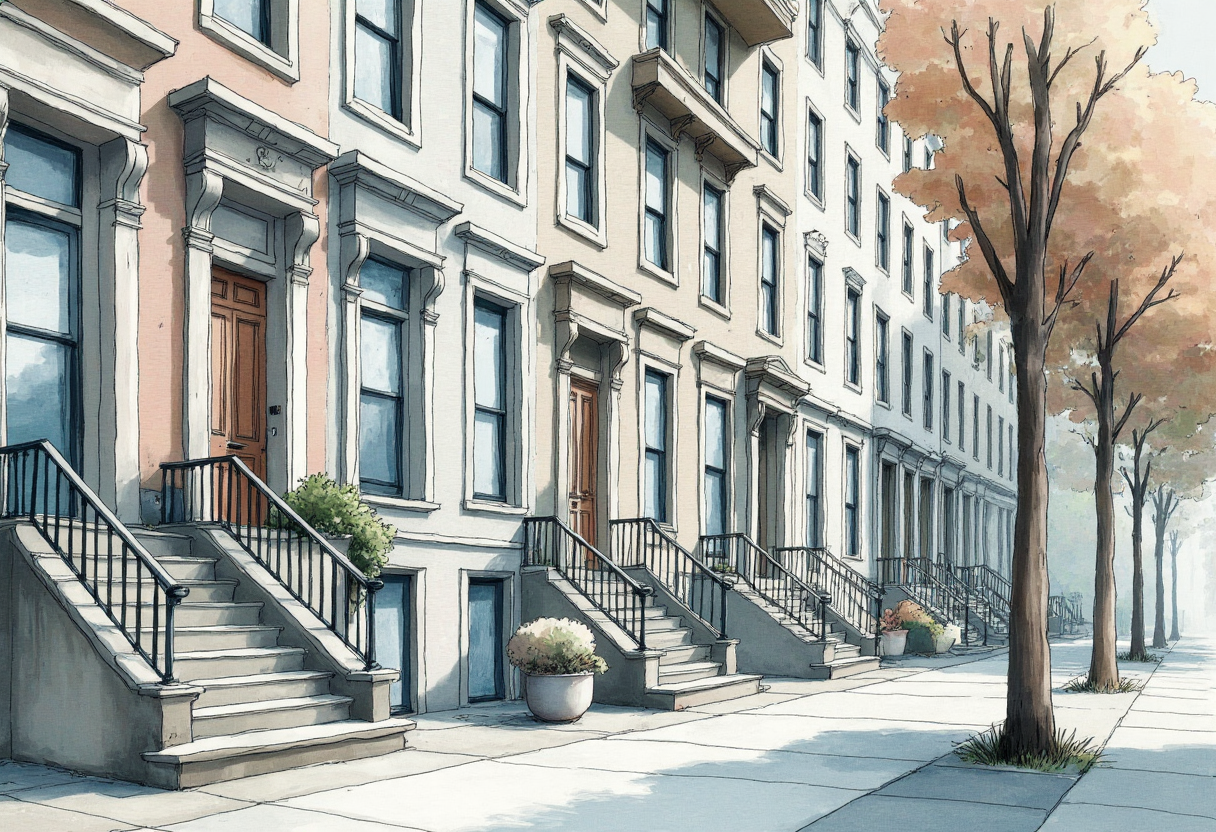
A noticeable shift is underway in Manhattan’s luxury housing market as cryptocurrency millionaires and other new wealth holders increasingly choose townhouses over traditional co-op and condominium buildings, according to Steven Tanen, an associate attorney at Starr Associates LLP who specializes in high-end residential transactions.
This trend highlights a disconnect between how modern wealth is generated and the strict approval processes of established luxury buildings, Tanen explains. His firm represents major developers such as JDS, Macklowe, and Taconic, providing him with insight into changing buyer preferences at the top end of the market.
“We’re seeing more, I guess, a good way to put it would be the new money people buying into this townhouse market,” said Tanen, who has been practicing real estate law for six years and focuses on complex acquisitions and sales. “Co-ops and condos not really coming up to the teams with how wealth is being accumulated and how it can be spent.”
Recently, Tanen facilitated the sale of a $10 million townhouse in Brooklyn’s Cobble Hill neighborhood to a buyer who had made his fortune in digital currencies. While the purchase was not made with cryptocurrency directly, the deal underscored the difficulties new wealth faces in traditional luxury buildings.
“A co-op board that’s a little bit more strict might not be taking a liking to buyers who have some liquidity issues,” Tanen explained. “If someone has a lot of Bitcoin or crypto, a townhouse is just between buyer and seller, not really dealing with a board.”
This preference is not limited to cryptocurrency investors. It also includes individuals in the broader finance sector, such as hedge fund managers and investment bankers, whose wealth sources may not meet co-op board expectations.
The appeal of townhouses for these buyers extends beyond avoiding board scrutiny. Privacy and autonomy are key motivations, especially for those seeking discretion in their real estate holdings. Tanen has structured purchases where he acts as the named buyer through layered LLC arrangements, providing multiple levels of corporate protection.
“In one instance, I was the named buyer, basically because my client was the authorized signatory for the LLC,” he said. “We layered multiple structures behind it. I’ve gotten multiple calls saying, ‘Hey, we know you own this house on the Upper West Side,’ and I’m like, ‘Nope, not me,’ but that’s exactly what we’re going for.”
Townhouses also offer greater freedom for renovations. Unlike co-ops and condominiums, where significant changes require extensive board approvals and oversight, townhouse owners primarily work with New York City’s buildings department.
“If you want to put a little bit more money into a townhouse, it’s basically all you’re dealing with is New York City and the buildings department, rather than someone looking over your every move,” Tanen noted. “So it’s a little bit more free to do if you have the money to do it.”
Additionally, townhouses provide value for buyers seeking privacy. For the price of a two- or three-bedroom apartment in a well-known development, buyers can purchase a six-story townhouse without paying the premiums associated with prominent developer brands.
This trend has gained momentum since the pandemic, as buyers increasingly value independence from homeowners associations and building boards. The ability to structure purchases through LLCs or trusts, often limited in luxury buildings, offers further flexibility for privacy and asset protection.
For sellers and developers, understanding this new buyer profile has become essential in a market that Tanen describes as shifting toward buyers after years of seller dominance. The speed and decisiveness of these buyers can create opportunities but also demand sophisticated legal structuring to meet their privacy and protection requirements.