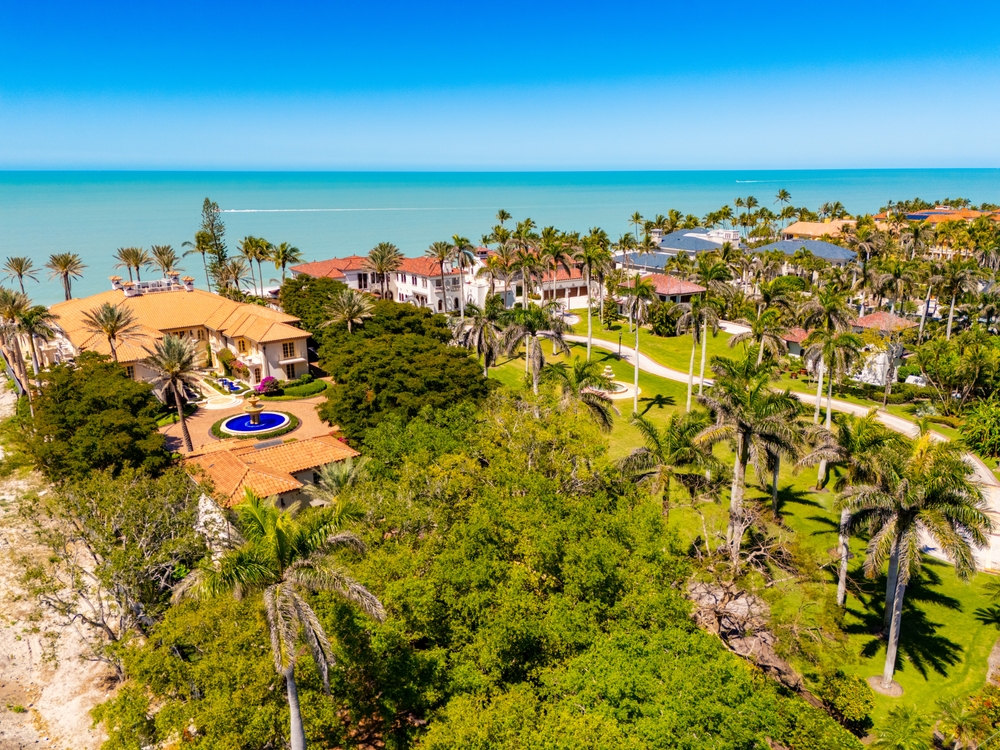
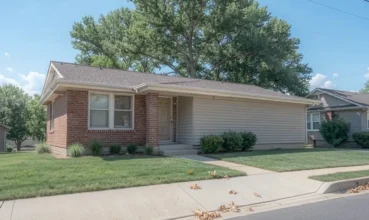
You find the perfect house in Naples, but your insurance quote comes in at twice what you expected. Suddenly, your monthly payment jumps by hundreds of dollars, throwing your budget off track. For homebuyers and owners across Southwest Florida, sharply rising insurance costs have become a major obstacle — and in some cases, a dealbreaker.
Over the past year, insurance premiums in Naples have nearly doubled for many homeowners. What used to be a routine closing detail is now a central concern that can derail deals or force owners to scramble for new, more expensive coverage. As insurance costs climb, both buyers and sellers need to approach every transaction with greater caution and preparation.
Why Insurance Costs Are Spiking
Homeowners throughout Naples are facing sudden, steep increases in their insurance premiums. Policies that once cost $2,000 to $3,000 annually are now costing $4,000 or more, depending on the property’s location, age, and risk factors. In some cases, longtime insurance carriers have stopped writing new policies in Southwest Florida, leaving buyers and owners to seek coverage from unfamiliar companies — usually at much higher rates.
Renee Hahn, a luxury real estate advisor with Your Naples Expert, confirms that “insurance has close to doubled in many cases.” The largest increases are hitting homes near the coast or in neighborhoods affected by recent hurricanes, but even inland properties are seeing significant hikes.
The main driver is risk recalculation by insurance companies following three major hurricanes in recent years. Even though most homes in Naples escaped serious damage, insurers are now factoring in the potential for future storms. As a result, higher premiums are affecting almost everyone — not just those living on the water or in high-risk zones.
Before You Make an Offer
For anyone buying in Naples, insurance is now a make-or-break part of the process. The cost can add $300 to $500 or more to your monthly payment — enough to push some buyers out of their target price range.
Get an insurance quote before making an offer. Don’t wait until you’re under contract to check costs. An unpleasant surprise at this stage can force you to walk away or renegotiate.
Check whether the home is in a flood zone or a hurricane-risk area. Use FEMA’s flood map website to see if the property falls into a newly classified zone. If so, flood insurance could add $1,000 or more per year, and many lenders require it regardless of the home’s flood history.
Understand that some policies may have exclusions for wind, water intrusion, or mold — risks that are especially relevant in Southwest Florida. Ask your insurance agent to spell out what is and isn’t covered.
What Current Homeowners Should Do Now
If you already own a home in Naples, don’t assume your coverage will stay the same when it’s time to renew. Insurers are changing rates and terms quickly, and some are leaving the Florida market altogether. Shop your policy 30 to 60 days before renewal. Rates and availability can change fast, and waiting until the last minute may leave you with fewer options — or no coverage at all.
Consider raising your deductible to keep premiums manageable. For example, raising your deductible to $10,000 might save you $1,000 a year, but you’ll need to have that cash on hand if you need to file a claim after a storm.
Review your current coverage and ask about any new exclusions. Some policies are quietly adding limits on wind damage, mold, or water intrusion. Make sure you understand what’s actually covered before you need to file a claim.
If you’ve made upgrades — such as a new roof, updated wiring, or storm shutters — ask your agent about mitigation discounts. These improvements can lower your premium, but you often need to request a new quote to see the savings.
Special Considerations for Landlords
If you own a rental property, standard homeowners insurance may not cover tenant-related risks, such as damage caused by renters or loss of rental income. Review your policy and consider adding landlord coverage, even though this may increase your premium. Without proper protection, you could be exposed to costly gaps if something goes wrong.
Mortgage and Closing Risks
Some lenders will not close your mortgage without proof of insurance coverage, making it critical to secure a policy early in the buying process. If you’re buying during hurricane season, be aware that some policies have a 30-day waiting period before coverage begins, which could delay your closing or leave you exposed to risk.
After major disasters, homeowner associations or neighborhoods may also impose special assessments to cover repairs not covered by insurance policies. These assessments can cost thousands of dollars and are not covered by your homeowner’s insurance.
How to Check and Manage Your Risk
– Look up your address on FEMA’s flood map to check your flood zone and see if new requirements apply.
– Review your policy for new exclusions or limits on coverage.
– Ask about discounts for storm-resistant upgrades and request a new quote if you’ve improved your home.
– Plan for renewal by shopping around and comparing options at least a month before your policy expires.
What This Means
Insurance in Naples has become a central — and sometimes unpredictable — factor in buying and owning a home. Rising premiums and changing coverage requirements mean that old assumptions no longer apply. Whether you’re in the market for a new home or already own one, the only way to avoid costly surprises is to get quotes early, check your risk zone, and regularly review your coverage.
“Insurance has close to doubled in many cases,” says Hahn, underscoring just how much the landscape has changed. Staying proactive is now essential for anyone navigating the Naples real estate market.
This article is intended for informational purposes only and does not constitute legal, financial, or investment advice. The views and opinions expressed herein reflect those of the individuals quoted and do not represent an endorsement of any company, product, or service mentioned. Readers should conduct their own due diligence and consult qualified professionals before making any investment decisions.