National stories about softening prices in Florida, Arizona, and parts of Texas suggest buyers everywhere hold the cards. In the Minneapolis-St. Paul metro, that assumption is costing buyers deals. Minnesota does not move like those headline-grabbing markets, says Bryan Vant Hof, a Realtor with RE/MAX Advantage Plus and The Minnesota Real Estate Team.
Vant Hof tracks weekly inventory and pricing data across the Twin Cities. He says buyers routinely come to him expecting double-digit negotiating power that does not exist in this market. The disconnect comes from conflating national coverage with local reality. “People look at national news and they look at Florida and they look at some other states that are seeing some pretty significant price drops, and they think that’s happening in Minnesota as well,” he says.
What the Local Data Actually Shows
The Twin Cities are experiencing their highest inventory levels since roughly 2018 or 2019. Sales volume has risen alongside it. Single-family homes still sit at less than a month and a half of supply. Townhomes carry about two months of inventory, and condos sit at four to five months. Average days on market for single-family properties ticked up from about 10 to 14. That’s a modest increase, not a collapse.
Prices have not jumped sharply year over year, but they have not fallen either. According to Vant Hof, the realistic discount a buyer can negotiate right now falls between 1 and 3 percent off list price. That represents a meaningful improvement over the spring, when multiple offers were common and homes sold at or above asking within days. But it is nowhere near the 5 to 10 percent cuts some buyers expect.
Why the Minneapolis Market Stays Flat
The Twin Cities market lacks the extreme seasonal swings and speculative cycles that characterize Sun Belt metros. There is no flood of out-of-state investors inflating prices. There is no sudden exodus deflating them. Vant Hof describes the pattern directly: “Minnesota is about as average as things get. We don’t have a lot of highs, we don’t have a lot of lows.”
That stability cuts both ways. During the pandemic surge, Twin Cities prices rose less dramatically than places like Phoenix or Tampa. Now, during the national cooldown, they are not dropping as far either. Buyers benefit from predictability, but they cannot expect fire-sale conditions that never arrive here.
The Risk of Overplaying Your Hand
The danger for a buyer who expects large discounts is straightforward. If you lowball a seller with other options, you risk losing the house to someone willing to pay closer to asking price. Vant Hof notes that where he once saw two or three competing offers on a well-priced property, he now sees roughly one. That is leverage, but it is modest leverage. A buyer can negotiate. A buyer who insists on 10 percent off is likely to watch the home sell to someone else.
Sellers, meanwhile, are beginning to accept concessions they would have refused a few months ago, such as up to 3 percent in closing costs or repair credits. But they are not panicking. The math still favors them at current inventory levels, especially for single-family homes.
Where the Buying Activity Is Concentrated
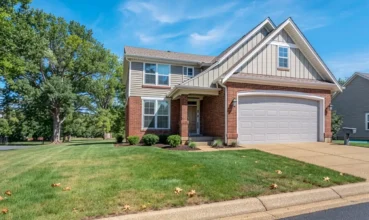
Vant Hof says the most activity is concentrated in what he calls the third-ring suburbs: areas with newer housing stock outside the Minneapolis-St. Paul urban core. Buyers in the $400,000 to $600,000 range are gravitating toward these neighborhoods because they offer move-in-ready homes at lower prices than closer-in areas.
The preference is clear: buyers with more choices are avoiding homes that require significant renovation. Increased inventory lets them be pickier about condition than in years past.
What Could Shift the Market
Vant Hof says the market could accelerate if energy prices drop and inflation eases. He points to a possible decline in oil prices as a catalyst. That could push prices up 2 to 3 percent and increase showing activity by as much as 25 percent. Without that shift, he expects current conditions to continue: steady sales, modest buyer leverage, and stable pricing.
Interest rates, currently at their highest levels in over a year at around 6.75 percent, have not slowed buyer activity the way Vant Hof expected. He attributes this to buyers accepting higher rates after nearly three years of them. Many are purchasing now with plans to refinance later if rates decline.
For buyers in the Twin Cities heading into fall, the practical reality is this: you can likely save 1 to 3 percent off list price and negotiate repair work or closing cost credits. Expecting more means anchoring your strategy to someone else’s market. That risks missing good opportunities while waiting for a correction that Minnesota’s history suggests will not come.
About the Expert: Bryan Vant Hof is a Realtor with RE/MAX Advantage Plus and The Minnesota Real Estate Team, covering the Minneapolis-St. Paul metro area, and tracks weekly inventory and pricing data across the Twin Cities.
This article is intended for informational purposes only and does not constitute legal, financial, or investment advice. The views and opinions expressed herein reflect those of the individuals quoted and do not represent an endorsement of any company, product, or service mentioned. Readers should conduct their own due diligence and consult qualified professionals before making any investment decisions.