Declining values in Miami office properties have made adaptive-reuse conversions financially viable for the first time in years. This opens new opportunities for developers as construction costs rise and the demand for affordable housing grows.
Doug Ressler, Director of Business Intelligence at Yardi Matrix, explains that declining office values, high construction costs, and strong housing demand have changed the economics of converting office buildings to residential use. “We’re finding with the loss of value of certain office properties that it is feasible,” Ressler says, highlighting the opportunity to repurpose existing structures rather than build new ones, especially as land, material, and labor costs continue to rise.
The shift is driven by more than remote work. Investors holding distressed office assets are now exploring whether architectural and zoning challenges can be overcome to convert underused buildings into much-needed housing.
Which Buildings Can Be Converted
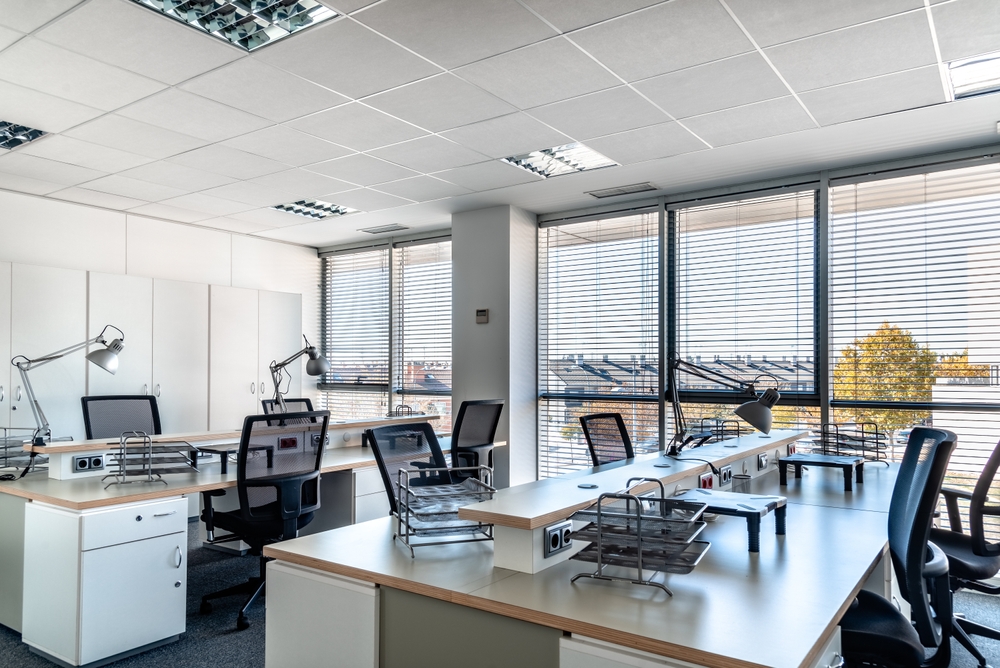
Not every office building is suitable for residential conversion. Yardi Matrix has developed a detailed methodology to assess feasibility from an architectural perspective. The analysis considers factors such as floor plate depth, window access, plumbing infrastructure, and building structure to determine whether a conversion is practical and cost-effective. Buildings with shallow floor plates and ample natural light are better candidates than those with deep, open office layouts.
Urban cores are often the focus because younger residents increasingly seek walkable neighborhoods. However, each city’s zoning and permitting requirements create a patchwork of opportunities and barriers. In some areas, restrictive zoning or long approval timelines can stall or prevent conversions.
Ressler notes that investors frequently approach Yardi Matrix with questions about whether to continue leasing office space, sell at a loss, or pursue a conversion. Many want to know what rents are achievable for the building’s current use versus what might be possible after a residential conversion, and whether local conditions support the switch.
Hybrid Work Drives Office Surplus
The main cause of distress in office property is the persistence of hybrid work. Office utilization rates remain low even as some companies call workers back. This has led to an oversupply, especially in Class B and C buildings in urban centers. Owners unable to achieve projected rental income are now willing to sell at discounts, making conversions financially viable for developers experienced in residential projects.
Timing is critical. Traditional residential construction is increasingly costly and difficult to finance. Higher interest rates and tighter lending standards make it harder for developers to fund new projects. “Money has gotten much more cumbersome in terms of how much you have to be able to afford one property to be able to develop,” Ressler says. Many developers are waiting to see how the Federal Reserve’s interest rate policy evolves before committing to new construction.
In this environment, adaptive reuse offers a middle ground. It requires less capital than building from scratch, uses existing infrastructure, and can often be completed faster than ground-up projects. For investors familiar with both office and residential markets, distressed office properties now present acquisition opportunities that did not exist when office values were higher.
Built-to-Rent Meets Millennial Demand
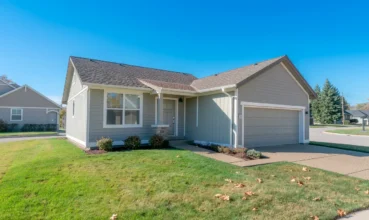
The conversion trend also aligns with demographic shifts. Ressler highlights the growing built-to-rent market, which focuses on 1,400-square-foot, three-bedroom units with private yards—appealing to millennial families. Many millennials are starting families and want more space than typical urban apartments offer, but face affordability barriers in the for-sale market. Built-to-rent properties provide single-family living without the upfront costs of homeownership.
Whether adaptive reuse can meet this demand depends on the building and location. Office buildings in central business districts are more likely to be converted into multifamily apartments for younger renters. Suburban office parks could be repurposed as built-to-rent communities if local zoning allows.
Data Supports Conversion Decisions
Yardi Matrix helps investors evaluate conversion potential by providing data and analysis. The company offers market rent projections, competitive landscape studies, and demographic trend analyses to inform feasibility assessments. Demand for these services has grown as more investors consider adaptive reuse.
Ressler emphasizes that Yardi Matrix remains neutral, focusing on data rather than advocacy. “We’re agnostic from a political standpoint,” he says, explaining that the company provides objective analysis across different investment strategies.
Future Depends on Local Action
It is uncertain whether office-to-residential conversions will become widespread or remain limited to select markets. The outcome depends on how aggressively investors pursue these opportunities and whether local governments adjust zoning rules to facilitate conversions. While the economics now support adaptive reuse in many cases, success requires navigating regulatory challenges and aligning projects with market needs.
If investors and cities can overcome these obstacles, office-to-residential conversions could help address both office oversupply and housing shortages. Otherwise, the strategy may remain viable only in specific cities and for certain types of buildings. As more properties trade hands and developers test the model, the coming years will reveal whether adaptive reuse becomes a mainstream solution or stays a niche response to unique market conditions.