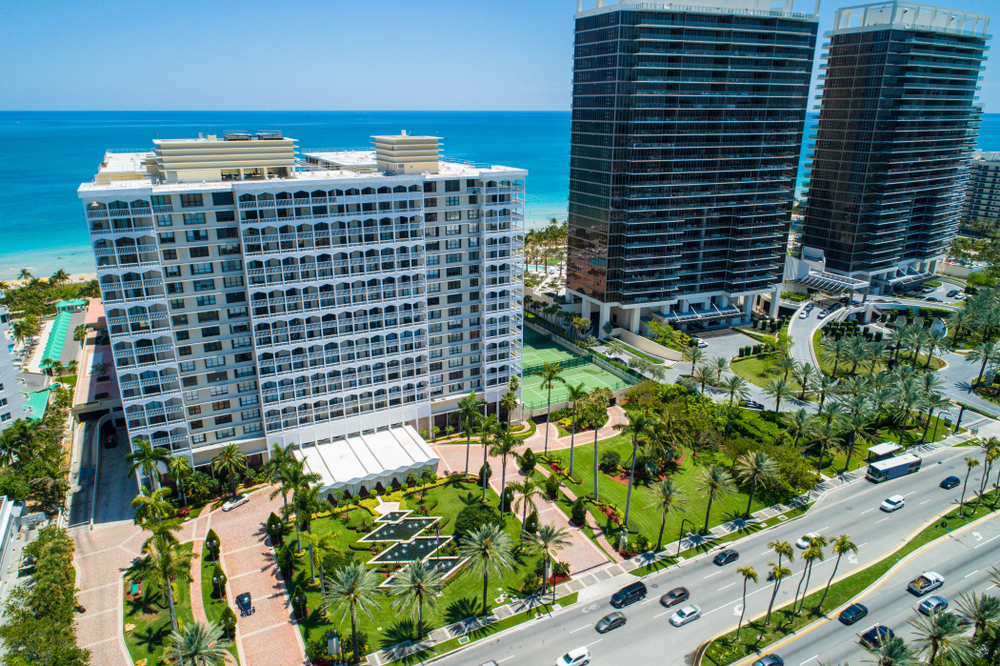
South Florida’s luxury condo market is splitting in two. Christopher Austad, a sales associate with Douglas Elliman specializing in new development across New York City and South Florida, sees the divide clearly: ultra-luxury branded towers are selling fast at $10 million and above, while mid-tier projects are struggling to move units at any price. Understanding what is driving that gap — and what it means for buyers and sellers — is what this article sets out to explore.
Brand Power Drives Luxury Sales
Brand recognition has become the single most important factor in whether a South Florida luxury condo project succeeds or stalls. Buyers gravitate toward names like Ritz-Carlton, Four Seasons, Mandarin Oriental, and Auberge because these brands signal a consistent standard of service and quality.
This dynamic is amplified by the nature of the buyer. Most luxury condo purchases in South Florida are second or third homes. Buyers want a turnkey, resort-style experience — and a recognized brand delivers that expectation before a buyer visits the site.
Austad contrasts two projects to illustrate the point. A boutique, unbranded development in West Palm Beach generated minimal interest over six months despite its exclusive positioning. His current project — an undisclosed ultra-luxury development — sold quickly within three weeks at some of the highest price points in its submarket. The only meaningful differences were brand strength, location, and ownership structure.
“The more expensive it is, the more they want it,” Austad says. Among wealthy buyers, exclusivity and prestige are not deterrents — they are selling points.
Mid-Tier Projects Face Headwinds
The picture looks very different below the ultra-luxury threshold. Mid-tier buyers are more sensitive to interest rates, rising homeowner association fees, and economic uncertainty. These buyers take longer to decide and are more likely to pause when conditions shift.
Projects without strong branding, a reputable developer, or a desirable location are sitting on the market. Days on market are rising across much of South Florida, and listings that come in overpriced are losing momentum fast.
“You really need to come correct with a price that’s going to get traction,” Austad says. “If you’re into month two, month three, you might want to have some consideration around a price adjustment.” Sellers who wait too long to recalibrate risk their listing going stale — a difficult position to recover from in a selective market.
Opportunities for Savvy Buyers
Ultra-Luxury: Get in Early
For buyers targeting branded ultra-luxury developments, the strongest move is to enter during the pre-construction phase. Early buyers secure the lowest pricing in the building and the best unit selection. By the time a building delivers — typically two to three years after launch — those buyers are often holding meaningful equity.
The risk is real. Capital is committed years before possession, and delays or changes in the developer’s financial position can affect outcomes. Austad’s guidance is clear: focus on developers with a proven track record, prime locations, and an established brand. When those three factors align, the risk-reward balance tends to favor early entry.
Mid-Tier: Patience Pays
Buyers less focused on brand prestige may find better opportunities in the mid-tier segment. South Florida’s summer months bring a significant slowdown in buyer activity. Motivated sellers become more flexible during this period, creating room for price reductions and favorable contract terms for buyers who are prepared to move.
Working with an experienced local agent is critical in this segment. Knowing which areas hold value, what a seller’s motivation is, and how to structure an offer are the factors that separate a good deal from a missed one.
Key Market Indicators to Watch
Mortgage rates matter less to luxury buyers than to primary residence buyers. What moves the ultra-luxury segment is portfolio performance and investor confidence. When stock markets are volatile or the political climate is uncertain, wealthy buyers pull back — not because they cannot afford to buy, but because they prefer to make decisions from a position of stability.
“Anytime there’s uncertainty, people will pause and wait,” Austad says. This caution is especially pronounced in new development, where buyers are committing deposits two to three years before taking possession of a unit. The longer the time horizon, the more confidence the buyer needs before committing.
Implications for Buyers and Sellers
For buyers, the clearest opportunity in today’s market is early entry into well-branded, well-located new developments. The combination of favorable launch pricing and strong long-term demand in the right projects makes this a compelling strategy for those with the capital and patience to execute it.
For sellers and developers, the market has become less forgiving. Weak branding, poor location, or aggressive pricing will produce longer listing times and eventual reductions. The projects performing well today share three traits: a recognizable brand, a prime location, and a developer with a credible track record. Everything else is competing for diminishing attention.
About the Expert: Christopher Austad is a sales associate with Douglas Elliman, working in luxury markets in both New York City and South Florida. He specializes in new development sales and has been in real estate since 2009, serving clients in the $1 million to $12 million range. This article reflects his personal market observations and does not constitute legal, financial, or investment advice
This article is based on information provided by the expert source cited above. It is intended for general informational purposes only and does not constitute legal, financial, or real estate advice. Readers should conduct their own research and consult qualified professionals before making any real estate or financial decisions.