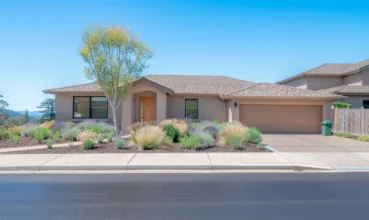
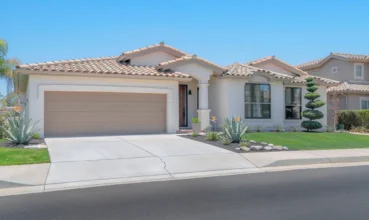
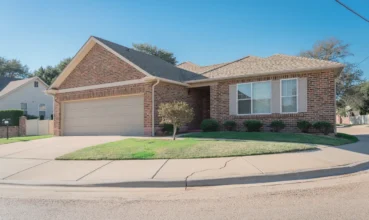
New construction homes are the most sought-after segment in the Palm Beach County, Florida, real estate market, but inventory remains limited due to high building costs and scarce land. These constraints have persisted even as buyer demand for new homes remains strong, according to Alex Fink, a realtor with Team Fink Real Estate who specializes in custom construction projects in northern Palm Beach County, including Palm Beach Gardens, North Palm Beach, and Jupiter.
Expensive materials, higher subcontractor labor costs, and scarce buildable land are driving the supply bottleneck. These factors make it difficult for builders to increase supply, leaving new construction homes short of demand.
“Material costs are expensive. Subcontractors are more expensive than ever. Everyone wants to keep expenses down and build quickly, but it always takes longer and costs more,” says Fink.
This ongoing scarcity has created a divided market. New construction homes command premium prices and move quickly, while existing homes must compete on price, updates, or location.
Costs and Delays Hurt Builders
Custom home projects illustrate why builders struggle to keep up with buyer demand. Most projects go over budget and take longer than planned, squeezing profit margins and making competitive pricing difficult.
“It’s expensive to build,” notes Fink. Subcontractor rates have risen sharply. Coordinating electricians, plumbers, framers, roofers, and other specialists adds complexity, and any delay in one phase can disrupt the entire project timeline.
Material prices remain elevated even as pandemic-era supply chain disruptions have eased. Lumber, concrete, roofing materials, and fixtures all cost more than they did five years ago. Smaller builders have little leverage to negotiate discounts. Larger production builders can sometimes secure better pricing through volume, but face their own hurdles with land acquisition and permit approvals.
Scarce Land Shifts Development West
Even when builders manage costs, finding suitable land remains a major hurdle. Palm Beach, Florida, has little undeveloped land near beaches, amenities, or established neighborhoods, forcing developers to look farther west for buildable lots.
“There’s not a lot of land left in our area to build on. If it is available, it has to be further west, away from entertainment and a little further from the beach,” Fink explains.
New homes offer modern designs and lower insurance costs, but are often located in less established areas. The few well-located lots still available command premium prices, offering both new construction and a desirable location.
The scarcity of land is not likely to ease. Unlike material or labor costs, which could eventually decline, land supply in established Palm Beach, Florida, neighborhoods is fixed. Developers cannot create more land, and converting raw land into buildable lots is a lengthy process complicated by zoning and permitting requirements.
New Homes Mean Lower Insurance
Practical concerns fuel demand for new construction. Newer homes qualify for lower insurance premiums and are built to modern hurricane codes, reducing long-term risk and cost.
“People know their insurance rates will be lower when their home is newer. Codes are better, and modern floor plans with open concepts are popular,” Fink adds.
Insurance costs in Florida have risen sharply in recent years, making this a key consideration for buyers. Homes built after 2002 that comply with updated wind and safety codes generally qualify for much lower insurance rates than older properties. Some buyers have seen insurance rates drop by 50% or more as new carriers enter the market, but many remain wary of the higher costs and risks associated with older homes.
Modern layouts are also a major draw. Buyers want open-concept living spaces, larger kitchens, and updated finishes — features that are difficult and expensive to achieve through renovation. Many buyers prefer paying a premium for a move-in-ready home over taking on a remodel.
Tight Supply Drives Premium Prices
The combination of high demand and limited new construction supply means new homes sell quickly and at a premium. This dynamic is unlikely to change unless builders significantly reduce costs or find new land to develop, neither of which appears likely in the near future.
“The new construction market is the strongest in our area because there aren’t a lot of new construction options,” Fink observes.
For owners of existing homes, the shortage of new construction creates both challenges and opportunities. Sellers of older homes must price more aggressively or invest in updates to compete with new construction. Well-maintained homes in desirable locations can still attract buyers who prioritize location over newness.
A Two-Tier Market Emerges
The Palm Beach, Florida, market now operates as a two-tier system. Buyers who can afford new construction and are flexible about location drive demand for new homes, while those with tighter budgets or a preference for established neighborhoods turn to existing inventory.
Whether this market structure is sustainable will depend on builders’ ability to address the challenges posed by high costs and land scarcity. For now, the supply of new homes is unlikely to increase meaningfully, and prices for both new and well-located existing homes are likely to remain firm.
Supply constraints mean new construction will remain the premium product in Palm Beach, Florida. Buyers must be prepared to pay a premium or accept a less central location, while sellers of existing homes will need to compete on price, condition, or location. Until builders address the structural barriers of cost and land scarcity, this market divide is likely to continue.
About the Expert: Alex Fink is a realtor with Team Fink Real Estate in Palm Beach, Florida, specializing in custom construction projects and new home sales across the Palm Beach area. His work focuses on helping buyers and sellers navigate the challenges of a high-demand, low-inventory market where building costs and land scarcity continue to shape real estate conditions.
This article is based on information provided by the expert source cited above. It is intended for general informational purposes only and does not constitute legal, financial, or real estate advice. Readers should conduct their own research and consult qualified professionals before making any real estate or financial decisions.