If you’ve been watching the Los Angeles housing market and feeling confused, you’re not alone. The market itself is sending mixed signals, and what’s happening in one neighborhood can look completely different from what’s happening ten minutes away.
Tamar Asken, founder of Parasol Realty Group and one of the few brokers in LA who is also a certified financial planner, has a front-row seat to all of it. What she’s seeing isn’t a frozen market or a booming one; it’s a market that has quietly split into two very different experiences depending on what you’re buying and where.
The Entry Level Is On Fire
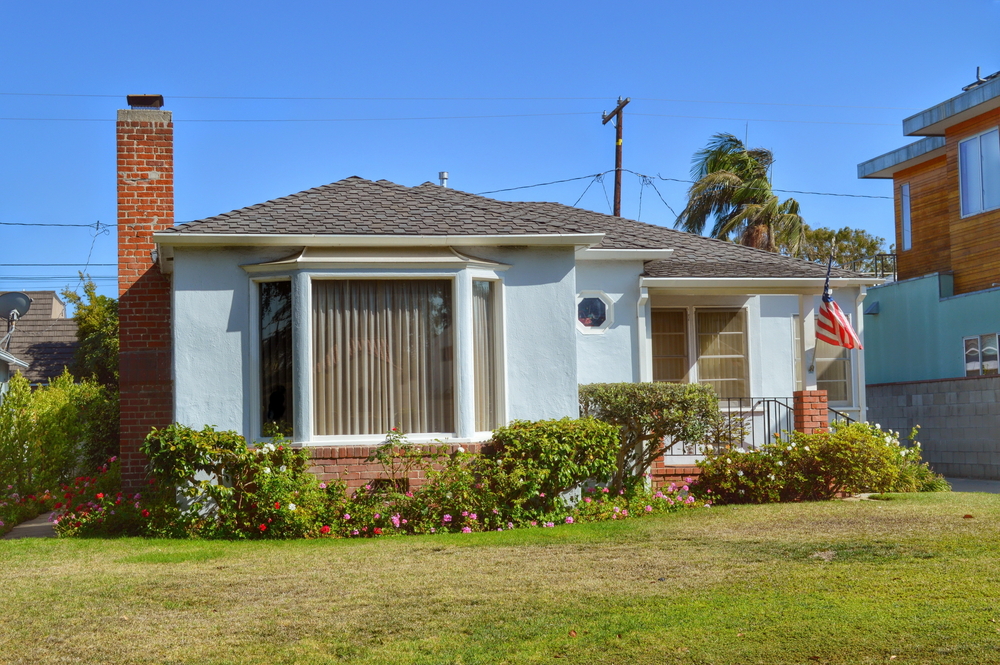
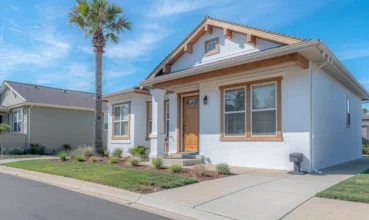
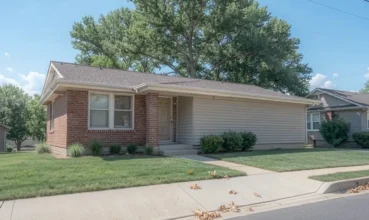
At the lower end of the price range, things are moving fast. Asken recently watched a modest home in a desirable neighborhood draw 18 offers. “At the entry level, in every neighborhood, we’re seeing a lot of activity,” she says. Buyers who can get in at the right price point are still competing hard.
Condos are a different story. HOA fees have climbed sharply in many buildings, partly because of rising insurance costs, and partly because heavy rains forced expensive roof replacements and repairs across the city. When buyers are already stretching to spend a million dollars, a high monthly fee tips the math in favor of a small single-family home instead. Condo inventory is sitting on the market longer, and sellers in that segment are feeling the pressure.
At the very top of the market, $20 million and above, things are also slow, simply because fewer buyers can afford to play at that level. The sweet spot right now is the entry-level single-family home in a good neighborhood, and those are still moving quickly.
The Valley Is Winning. Downtown Is Waiting.
Geographic preferences are also splitting the market. The San Fernando Valley, once considered the more affordable, less glamorous alternative to LA’s Westside, is now drawing serious buyer attention. “There’s a lot more buyers looking for that slightly quieter, more suburban experience,” Asken says. Families who want a real yard, good schools, and a manageable commute are finding the Valley delivers – and the competition there reflects it.
Meanwhile, downtown LA has cooled considerably. The pandemic-era push toward urban living faded when remote work took hold, and people realized they’d rather be near hiking trails than high-rises. Businesses closed, foot traffic dropped, and the downtown revival that felt so promising a few years ago has stalled.
One bright spot worth noting: Culver City. Once a sleepy corner of the metro area, it’s now a hub for tech and entertainment companies, packed with restaurants, and surrounded by attractive single-family neighborhoods. When homes hit the market, buyers show up.
Who’s Actually Buying Right Now?
The typical buyer profile has also changed. While first-time buyers and young families are still in the mix, Asken says the most active buyers lately are older, often in their 60s and 70s, people who have owned their homes for decades, built up substantial equity, and are now ready to right-size. Many are buying with cash, which means elevated interest rates barely slow them down.
Younger buyers, meanwhile, are doing the math and often deciding to keep renting. With rates high and prices still elevated, the monthly cost of owning versus renting doesn’t always pencil out in the short term. “More people are approaching 40 before they’re buying a home,” Asken notes, a national trend that’s especially pronounced in an expensive market like LA.
What You Should Do Now
For buyers: The entry-level single-family market is competitive; come in prepared with financing in order and realistic expectations. If you’re eyeing a condo, negotiate hard. Sellers in that segment have less leverage right now, and you may be able to secure concessions on price or fees.
For sellers: Pricing is everything. Homes that are priced right for their location and condition sell. Homes that aren’t sitting. “The market will be clearly signaling to you that if you want to sell, you’re going to have to adjust that price,” Asken says. Don’t anchor to what your neighbor got two years ago.
For long-term buyers on the fence: Asken has watched people wait for a crash for over a decade. It hasn’t come. “People who said ‘I can’t believe I’m buying at the top’, that was 10 years ago. Many of their property values doubled since then.” If your time horizon is five years or more, waiting for a perfect moment may cost you more than acting now.
The Bottom Line
Los Angeles is not one market; it’s dozens of micro-markets behaving in very different ways. Entry-level single-family homes in strong neighborhoods are competitive. Condos and luxury properties are slower. The Valley is heating up while downtown cools. Knowing which side of the split you’re on changes everything about how you should move next.
About the Expert: Tamar Asken is Founder, Broker and Realtor, Parasol Realty Group, Los Angeles, CA. Focus: LA residential real estate, with a background as a Certified Financial Planner. Specializes in serving buyers, sellers, and investors across the LA market with a boutique, personalized approach.
This article is intended for informational purposes only and does not constitute legal, financial, or investment advice. The views and opinions expressed herein reflect those of the individuals quoted and do not represent an endorsement of any company, product, or service mentioned. Readers should conduct their own due diligence and consult qualified professionals before making any investment decisions.