Nearly five years after the pandemic-era migration wave reshaped South Florida real estate, the region’s market has settled into something far more complex than national coverage typically captures. Prices have normalized, inventory has grown in many segments, and buyers are negotiating again, but the picture varies dramatically depending on which county, neighborhood, or property type you examine.
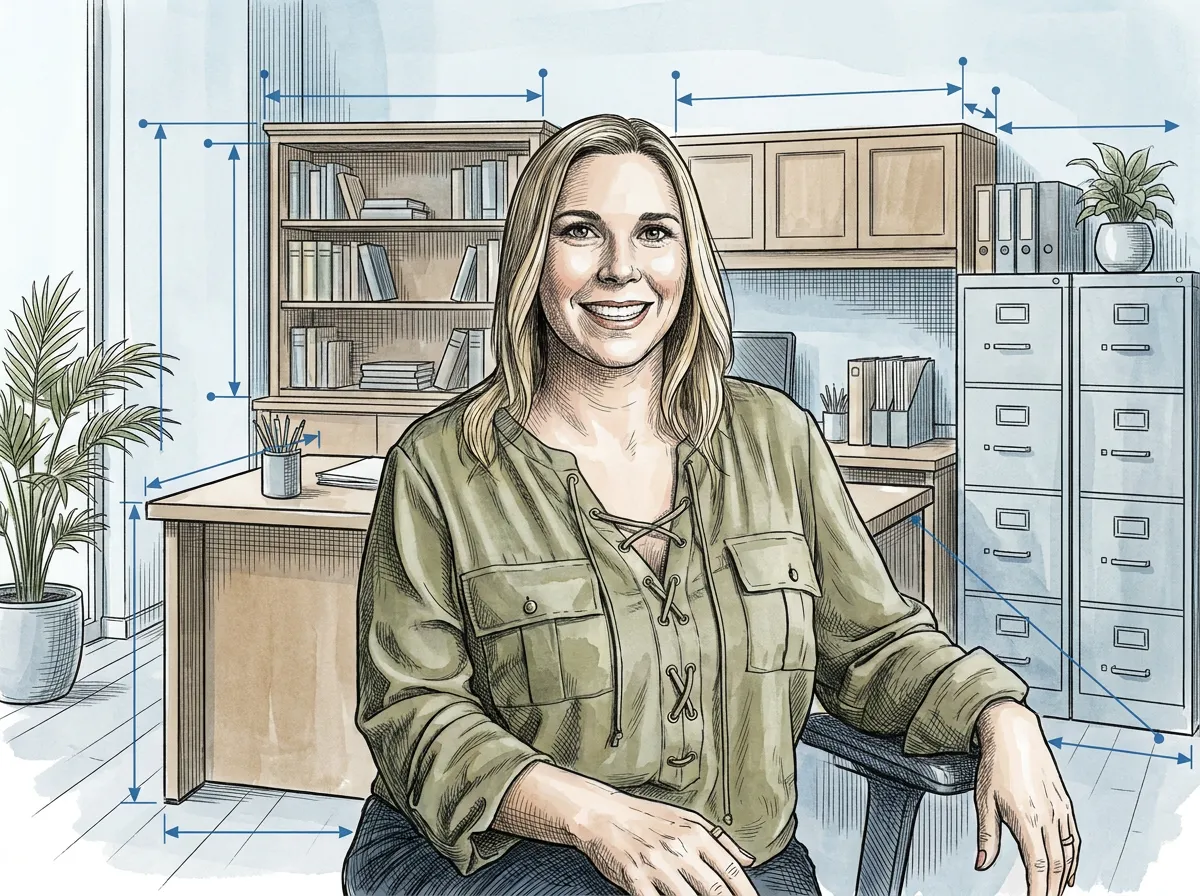
Kelly McCarthy, a real estate professional with eXp Realty covering Palm Beach, Martin, and St. Lucie counties, works in one of the most closely watched real estate corridors in the country. What she’s seeing on the ground is considerably more layered than headlines suggest.
Three Counties, Three Different Stories
McCarthy’s territory stretches from the affluent enclaves of Boca Raton and Jupiter in Palm Beach County northward through the quieter communities of Stuart and Palm City in Martin County, and into the new construction-heavy landscape of Port St. Lucie and the Tradition master-planned community in St. Lucie County. Each market is behaving differently, and in some cases, each zip code within a county tells its own story.
Palm Beach County’s single-family market, particularly in non-HOA communities, remains tilted toward sellers. Martin County follows a similar pattern, slightly quieter, with lower price points, but still seeing steady demand from buyers who work in Palm Beach Gardens or Jupiter and are willing to commute for more affordable options. “Martin County is a great opportunity to get in with prices a little bit lower and still be able to commute pretty easily to Palm Beach Gardens or Jupiter,” McCarthy notes.
St. Lucie County, meanwhile, is dominated by new construction. Builders in the Tradition area and Port St. Lucie are offering fixed rates as low as 3.99% with additional buy-down options, creating intense pressure on the resale market. Resale homes within HOA communities in that corridor are feeling the squeeze most acutely. “It’s really hard for a one or two-year-old house to compete with these new construction builders that can do whatever they want with pricing,” McCarthy explains.
The Condo Market’s Ongoing Struggle
Across all three counties, condos are firmly in a buyer’s market, and have been since the regulatory fallout from the 2021 Champlain Towers collapse in Surfside. New reserve requirements and mandatory safety inspections have driven association fees significantly higher, in some cases tripling what owners previously paid. Properties that once served as affordable second homes have become financially unworkable for many owners, prompting a wave of selling.
McCarthy notes that not all condos deserve the same scrutiny; well-managed buildings with consistent maintenance histories are in a very different position than those that deferred upkeep for years. Condos are currently selling at roughly 82% of list price across her markets, compared to around 96% for single-family homes in competitive areas. That gap shapes how she counsels clients weighing their options.
Hyper-Local Conditions Make Broad Data Misleading
Regional averages can obscure what’s actually happening at the neighborhood level. When West Palm Beach data show days on market climbing from roughly 73 to over 100 in the past year, the number blurs wildly different segments, single-family homes, condos, and luxury properties, each moving at its own pace.
The contrast within a single price tier illustrates the point. In the Arden community in Loxahatchee, luxury homes priced above $1 million are averaging 140 to 160 days on market. In Boca Raton, comparable price points are moving in under 30 days. Jupiter, meanwhile, continues to see decreasing days on market in specific desirable neighborhoods, even as broader regional figures tick upward.
Boca Raton and Jupiter stand out as the clearest outperformers in Palm Beach County, driven in part by A-rated school districts and continued high-end development. Both markets are commanding higher median prices and moving faster than the surrounding areas.
The Hidden Costs Catching Buyers Off Guard
For buyers relocating from the Northeast, McCarthy’s primary client base, two costs consistently come as a surprise: insurance and property taxes.
Homeowners insurance for a single-family home in Palm Beach County typically ranges from $4,000 to $10,000 annually, depending on the home’s age, roof attachment method, hurricane protection, proximity to water, and the owner’s credit profile. That figure shocks many out-of-state buyers accustomed to paying a fraction of that amount. McCarthy notes the insurance market is beginning to stabilize as more carriers enter the state, and she advises clients who purchased in recent years to re-shop their coverage as competition returns.
Property taxes carry an equally important caveat. Florida’s homestead exemption means that the listed tax figures on a property often reflect the previous owner’s assessed value, which can be substantially lower than what a new buyer will owe. “You can have taxes that are listed as $2,000 on a $600,000 house that’s going to readjust close to $10,000 a year the year after you purchase,” McCarthy explains. Lenders qualifying buyers using current tax figures may be understating the true carrying cost of a home, which can affect affordability calculations after closing.
Her approach is to address both issues upfront in buyer consultations, providing a realistic insurance estimate based on the property’s characteristics before any offer is made.
Investor Calculus Has Shifted
The economics of rental property investing in Palm Beach County have tightened considerably. High insurance costs, elevated property values, and reassessed taxes are compressing cap rates to the point where cash flow is difficult to achieve. “It’s rare to find a property that is going to cash flow well with current prices, current insurance situation, and current taxes,” McCarthy says.
The exception she points to consistently is the short-term rental market in non-HOA areas of St. Lucie County. Five-bedroom homes with pools are available under $600,000 in that corridor, insurance costs are lower than in coastal Palm Beach County, and Airbnb performance has been reliable. For investors focused on cash-on-cash returns rather than appreciation, it’s the pocket of the market generating the most consistent results.
Policy and Market Risks on the Horizon
Several developments could reshape Southeast Florida’s market in the second half of 2026 and beyond. Proposed legislation to eliminate property taxes on homesteaded properties has generated enthusiasm among residents, but the revenue question remains unresolved. McCarthy notes that replacement mechanisms, whether higher sales taxes, user fees for public amenities, or road assessments, could affect affordability in ways that aren’t yet fully understood.
The trajectory of the insurance market remains the other key variable. More carriers entering the state is a positive development, and rates are beginning to ease. Still, the pace of that stabilization will directly affect both buyer demand and investor returns across the region.
The condo market’s bottom is also still being debated. Whether current conditions represent a floor or continued softness will influence when owners in that segment should consider selling versus holding.
What’s clear is that Southeast Florida in mid-2026 rewards local knowledge over broad assumptions. The conditions that made the region’s pandemic-era run so dramatic have unwound, replaced by a market in which neighborhood-level detail, cost-structure awareness, and realistic expectations determine outcomes more than momentum ever could.
About the Expert: Kelly McCarthy is a real estate professional with eXp Realty serving Palm Beach, Martin, and St. Lucie counties in Southeast Florida, with a client base weighted toward buyers relocating from the Northeast.
This article is based on information provided by the expert source cited above. It is intended for general informational purposes only and does not constitute legal, financial, or real estate advice. Readers should conduct their own research and consult qualified professionals before making any real estate or financial decisions.