The narrative around South Florida real estate tends to center on Miami’s luxury towers and international buyers chasing oceanfront condos. But roughly an hour north of Biscayne Bay, the market tells a different story, one shaped by insurance costs, association fee pressures, and a growing preference for single-family homes over vertical living.
Alan Alcala, broker and owner of XPN Realty LLC in Coral Springs, has spent years working the corridor between Boca Raton, Coconut Creek, Parkland, and Tamarac. His perspective is grounded in the day-to-day realities of buyers, sellers, and investors navigating a more complex cost environment than most headlines suggest.
A Market Built on Relationships
Alcala launched XPN Realty during the early months of the pandemic, after his previous brokerage changed ownership. The timing was fortunate. The pandemic-era market was unlike anything most agents had seen, open houses drawing lines of buyers, inspection contingencies being waived, and offers coming in above appraisal by tens of thousands of dollars. “When you had a listing on those days, you would put it up and get offers without even showing the property,” he recalls.
That environment has since normalized, but Alcala’s approach, staying close to clients regardless of deal size, maintaining a broad network, and working across price points, has kept his pipeline active. With over 18 active listings and a team of roughly 40 agents, he runs a lean but productive operation. “I don’t discriminate at all,” he says. “I’ve rented properties for $2,000, and eventually those clients buy a house, or they refer me to someone who does.”
The Condo Problem Is Real and Getting Worse
One of the clearest signals from the Coral Springs market is the near-complete stall in condo transactions. Alcala has stopped taking condo listings altogether, and his reasoning reflects a structural problem in how Florida condos are being evaluated post-Surfside.
Following the 2021 collapse of the Champlain Towers South in Surfside, which killed 98 people, Florida enacted sweeping new inspection and reserve funding requirements for multi-story residential buildings. Buildings over three stories now face mandatory structural inspections every ten years, and associations must fund reserves for major repairs. The result has been a wave of special assessments hitting condo owners across the state.
Association fees that were under $250 a month five years ago now commonly run $600 to $800, according to Alcala. Owners also face the risk of inspections triggering major assessments on top of those monthly costs. For investors, the math rarely works anymore. For owner-occupants, the monthly carrying costs, combining mortgage, taxes, insurance, and HOA fees, have made many units functionally unaffordable relative to their purchase price. “Nobody’s going to buy a condo when you have to pay $700 or $800 a month in maintenance fees,” he says.
Single-Family Homes Are Moving; Pricing Discipline Still Matters
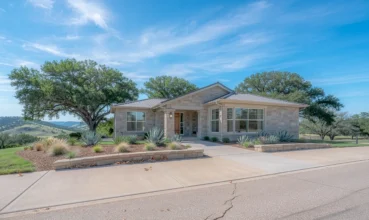
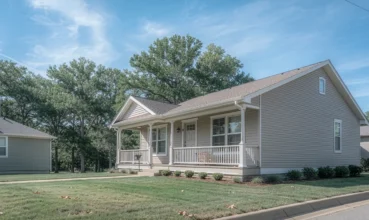
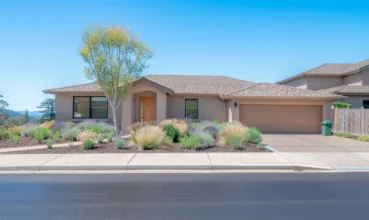
While condos sit, properly priced single-family homes continue to transact. Alcala describes consistent demand in the $600,000 to $1.5 million range, particularly from buyers who want to stay within Broward County rather than commute from further out. The challenge is seller expectations.
Many sellers have not adjusted to the post-pandemic correction in prices. Alcala describes an active listing he recently pulled from the market temporarily after working with his client to reduce the price below $600,000, a necessary adjustment to align with what appraisals and lender underwriting will support.
The pandemic-era dynamic of buyers paying $50,000 to $80,000 over appraised value has largely disappeared. “The bank is going to say the house is worth this amount, and unless the buyer is willing to cover the gap in cash, it’s not going to close,” he notes.
Insurance and Taxes
Beyond purchase price and interest rates, two cost components are reshaping affordability in ways that many buyers underestimate: insurance premiums and property taxes.
Florida’s insurance market has contracted significantly over the past several years, with multiple carriers exiting the state after elevated claims and fraud-related losses. The result is higher premiums and stricter underwriting, particularly around roof age. Insurers may conditionally cover a property with an older roof but require replacement within 90 days, according to Alcala. Roof replacement can cost anywhere from $12,000 to $60,000, depending on the type and home size.
On the tax side, a proposed ballot measure would significantly reduce property taxes for Florida homeowners. Alcala currently pays close to $11,000 annually in property taxes on his Parkland home. If that figure dropped by 70 to 80 percent, as the proposal suggests, the effect on monthly carrying costs would be substantial. “If you’re paying $1,000 a month in taxes and that drops to $200, that $800 difference is a lot of money,” he says.
That reduction could cut both ways for the market. Buyers would be able to afford more house, but current owners would have even less reason to sell. The lock-in effect from low pandemic-era mortgage rates already suppresses listing activity. A significant tax reduction could compound that dynamic, keeping long-term owners in place even longer.
What Investors Should Know Right Now
For investors considering the Coral Springs area, the guidance from Alcala is straightforward: avoid condos, be selective with townhomes, and focus on single-family assets where the fundamentals are cleaner.
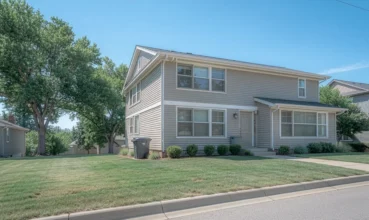
Townhomes occupy a middle ground, more affordable than detached homes, with association fees around $400 per month, but still subject to roof and insurance scrutiny. Single-family homes offer the most predictable cost structure and the strongest buyer demand, though entry prices have moved well above $500,000 in most desirable neighborhoods.
Alcala emphasizes the importance of reading investor motivations correctly. Some buyers will follow the numbers regardless of neighborhood appeal; others won’t purchase in an area they dislike, no matter what the returns suggest. “You have to know how to read people,” he says, “because some of them go with their heart and won’t follow the numbers no matter what.”
A City Adding Urban Amenities to a Suburban Foundation
Coral Springs itself is undergoing quiet but meaningful physical change. A mixed-use redevelopment project near the city center, incorporating rental housing, retail, a hotel, and entertainment options, is expected to bring more activity to an area that has long competed on school quality, safety, and proximity to employment centers rather than nightlife or dining.
For a market that has historically drawn families rather than young professionals, that addition could meaningfully expand its buyer pool over the next several years.
The broader picture is of a market that has matured past its pandemic-era frenzy into something more deliberate. Buyers are more selective, sellers are slowly adjusting, and the true cost of homeownership, insurance, taxes, and association fees demands more attention than it once did. For agents and investors willing to work through that complexity, opportunities remain. But the margin for error is thinner, and the homework required to identify sound deals has increased considerably.
About the Expert: Alan Alcala is the broker and owner of XPN Realty LLC, based in Coral Springs, Florida, covering the corridor between Boca Raton, Coconut Creek, Parkland, and Tamarac. He founded the firm during the early months of the pandemic and currently operates with a team of approximately 40 agents.
This article is based on information provided by the expert source cited above. It is intended for general informational purposes only and does not constitute legal, financial, or real estate advice. Readers should conduct their own research and consult qualified professionals before making any real estate or financial decisions.