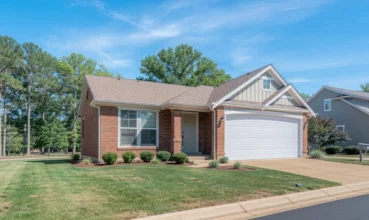
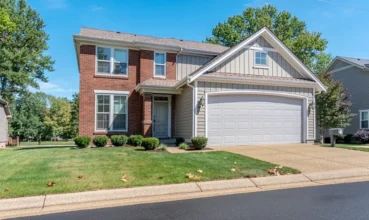
The Austin metro grew faster than any other major U.S. market from 2010 to 2022, according to Ahmad Homidi, a real estate agent with eXp Realty who focuses on new construction in the North Austin corridor. That pace has slowed, but the development pipeline in the northern and western suburbs has not shut off, and the dynamics shaping who buys, what they pay, and how deals get structured look different from even a year ago.
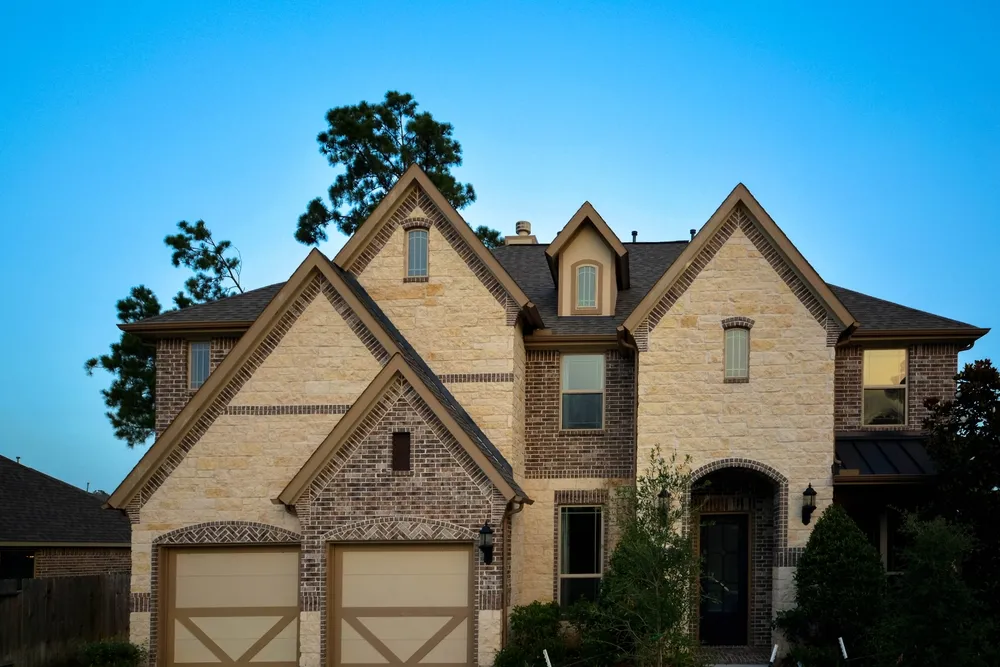
Homidi estimates that roughly 60% of his practice involves new builds across a belt running from Leander and Georgetown through Pflugerville and Hutto, extending southwest into Dripping Springs and Lakeway. That geographic spread reflects a basic structural fact: the city proper is largely built out, so growth, and the inventory that supports it, is pushing outward.
Two Buyer Pools, One Market
The buyer base in these suburbs breaks into two categories. The first is local: residents of central Austin or surrounding areas moving outward toward newer communities with more space and lower costs. The second is relocation buyers, often tied to employer campuses. Companies like Oracle and Apple maintain local operations, and employees transferring from higher-cost markets – particularly the Bay Area, Los Angeles, and Seattle – find the suburbs significantly more affordable.
Homidi says California transplants adjusting to Austin’s summer heat and fewer natural amenities typically want compensation in the form of space and features. “A lot of times these buyers will buy new construction, and that home will come with the home office, a media room, a game room,” he says. Homes of 3,000 to 5,000 square feet are common among this group.
Not every relocation buyer fits that profile. Homidi recently closed with a Houston couple downsizing into a 2,500-square-foot single-story home as they approach retirement, a lifestyle move rather than an employment-driven one. They chose Austin because it fit their daily life better than Houston did.
Builder Incentives Are Wider Than Most Buyers Realize
The current environment gives buyers meaningful leverage with builders. Price reductions, closing cost credits, interest rate buy-downs, and what builders call “flex cash,” a discretionary credit applicable across design upgrades, closing costs, or rate reductions, are all on the table.
Homidi describes a recent case in which buyers purchasing a million-dollar home had negotiated $150,000 in savings on their own before engaging him. After identifying additional levers, he brought the total to $240,000. “Builders are absolutely willing to negotiate on incentives,” he says.
That negotiability cuts both ways. When deals fall apart in this market, the most common cause is not financing or inspection issues, it is what Homidi calls opportunity loss. A buyer locks in a contract, then a competing builder across the street drops pricing further. The buyer tries to renegotiate with the current builder, and if the builder will not match, the buyer sometimes walks away to chase the better deal.
Days on Market Are Climbing
Across the North Austin suburbs, homes are sitting longer than they were a year ago. Average days on market have risen from roughly 63 to about 68, according to Homidi, a modest increase in absolute terms, but built on a baseline that was already elevated.
The homes moving fastest fall into three categories. New construction still commands the most activity. Resale homes priced competitively from day one, rather than testing the market, attract buyers before they drift toward other listings. And homes prepared to look like model homes, backed by professional photography, video content, and a full marketing plan, outperform those that skip that preparation. “If you don’t price it right from day one, the home just continues to sit on the market,” Homidi says.
For sellers, the implication is direct: presentation and pricing discipline now determine whether a home sells in weeks or lingers for months.
Property Tax Confusion Remains a Real Obstacle
One recurring friction point for buyers, particularly those relocating from states with simpler tax structures, is the variability of property taxes across the Austin metro. Rates shift from county to county, city to city, and even community to community, depending in part on whether a development carries municipal utility district obligations. MUD taxes fund infrastructure bonds for new communities, and the resulting tax bills can vary substantially between neighborhoods that appear similar on a listing site.
Homidi contrasts this with California’s relatively uniform 1.25% rate. “It’s not very clear, the tax situation,” he says. He recommends that relocation clients make multiple visits before committing, not only to understand the tax landscape but to confirm the community fits their lifestyle. Buyers who skip that step, he says, sometimes leave Austin altogether, not because the market failed them, but because they chose the wrong neighborhood.
What Investors Should Watch
For investors evaluating the corridor, Homidi points to two infrastructure signals. The first is transportation expansion: the existing rail line from Leander to downtown Austin is adding stops, and areas near new stations stand to benefit from improved access. The second is large-scale employment projects. Samsung is building a plant in Taylor, Texas, roughly 30 minutes northeast of its existing North Austin campus. Homidi estimates the facility will bring approximately 2,900 employees, with housing demand likely concentrated in nearby communities like Hutto and Pflugerville.
The broader constraint on the market remains interest rates. At roughly 6.8%, current rates are discouraging both prospective buyers and existing homeowners sitting on 3% mortgages who do not want to trade up to a higher rate. “I think there’s a lot of demand; it’s just pent up,” Homidi says. If rates fall into the fives, he expects both groups, sellers willing to move and buyers waiting on the sidelines, to re-enter the market, producing activity closer to what the region saw in 2022.
About the Expert: Ahmad Homidi is a real estate agent with eXp Realty who focuses on new construction in the North Austin, Texas corridor.
This article is based on information provided by the expert source cited above. It is intended for general informational purposes only and does not constitute legal, financial, or real estate advice. Readers should conduct their own research and consult qualified professionals before making any real estate or financial decisions.