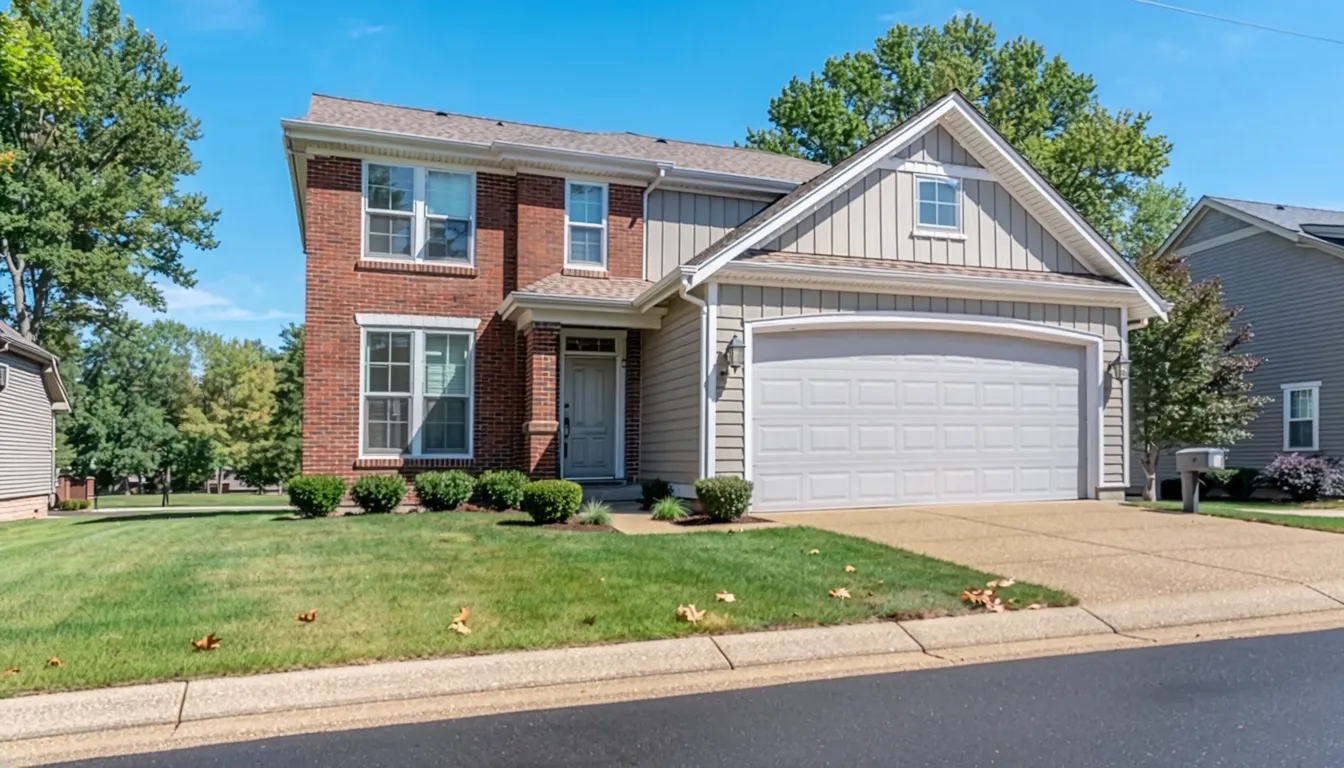
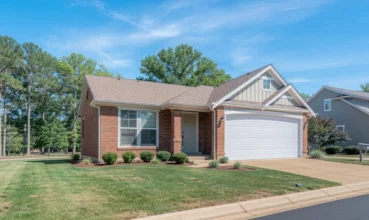
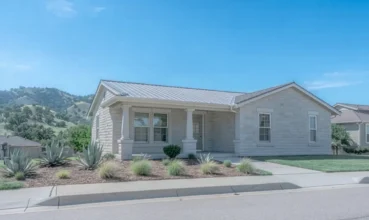
A homebuyer comparing two nearly identical four-bedroom houses on either side of the Butler-Allegheny County line in western Pennsylvania could face a property tax bill roughly double on the Allegheny side – $8,000 or $9,000 a year versus around $4,200 in Butler County. In a rate environment where monthly payment calculations dominate every purchasing decision, that spread has become one of the strongest forces pulling buyers north of Pittsburgh into communities like Cranberry Township, according to Ronald Huber, a residential agent with Berkshire Hathaway HomeServices The Preferred Realty. That affordability advantage has helped fuel continued demand in Butler County, particularly in communities such as Cranberry Township, where population growth and residential development have reshaped the local housing market by adding impressive numbers to the population.
Huber works primarily in Butler County and says homes there still sell for about 96 percent of list price, with average days on market running 35 to 40 days. The market is balanced but active, and its buyer pool is broader than a typical suburban county might suggest.
Two Buyer Groups That Don’t Usually Overlap
The county is drawing both young professionals starting families and retirees – two demographics that rarely compete for the same housing stock but whose shared motivation is cost of living. Move-up buyers make up the bulk of current activity, typically households that have outgrown a city home and want better schools, more space, and a manageable commute.
Huber says the tax comparison between the two counties shapes nearly every buyer conversation. A family looking at four-bedroom homes with easy highway access might pay $4,200 a year in Butler County versus $8,000 or $9,000 in Allegheny County. For buyers whose budget ceiling is a fixed monthly number, that difference can translate into tens of thousands of dollars in additional purchasing power.
The retiree presence is less intuitive – western Pennsylvania is not a warm-weather retirement destination – but the same affordability math applies. “Most people, when they think about retirement, they think of somewhere warm, and that’s not us for like three months out of the year,” Huber acknowledges, adding that cost of living is pulling people in despite the climate.
Huber describes a current client couple representative of the move-up pattern. They currently live in a city neighborhood popular with young professionals and are preparing to list their renovated home. With a child on the way, they searched for about two to three months for a suburban property that met specific criteria: enough land, their preferred school district, and a reasonable commute since one spouse still drives to an office three days a week.
Huber says narrowing a buyer’s focus to five absolute must-haves before beginning the search makes the process faster and more effective. “If you can narrow down that focus as to what you truly need and then kind of put your wants on top of that, I think that streamlines the whole process for someone,” he says.
Townhomes Are Sitting While Single-Family Homes Move
Not all segments of the Butler County market are performing equally. Townhomes and condominiums, built at a rapid pace during a prior cycle, have reached oversaturation in certain neighborhoods. Huber describes one listing – a large, well-appointed townhome – that is competing against six other units for sale on the same street.
“It’s come down to people looking at what upgrades you have, how old the mechanicals are, and the positioning of the unit,” he says. “Is it backing up to the woods? Are you closer to the clubhouse?”
For investors evaluating the area, Huber points to a different opportunity: homes in the county’s original established neighborhoods, built in the late 1970s and early 1980s, where long-term owners have maintained major systems – roofs, furnaces – but left cosmetic updates untouched. “You can pick one of those up, and you may have all the key components that are budget busters already taken care of, and you can just go in and essentially polish it up and make it look more attractive,” he says.
Pricing Adjustments Are Small but Meaningful
Seller expectations are adjusting, though not dramatically. According to Huber, price reductions in the area average around 2 to 2.5 percent, and homes priced reasonably close to value before the cut tend to draw an offer within seven to 10 days after the adjustment. The more notable shift is in the comparable-sales window: agents who once relied on six months of data now need to look at three months, because the gap between spring pricing and current pricing can run $10,000 to $15,000.
Huber says there is a strong correlation between rising interest rates and falling prices in his market, because buyers are intensely focused on monthly payments. “If somebody’s like, my budget is $1,700 a month, and the only way to make that happen in this price point is to get the house for this number, it’s usually what their offer is going to be at,” he says.
Some sellers who don’t need to move immediately are choosing to wait for spring to see whether prices recover or rates change.
Rural Properties Require a Different Playbook
Butler County’s inventory includes acreage properties with septic systems and wells – a category where deals routinely stall. Huber describes a current transaction involving an older farmhouse on roughly 10 to 12 acres where the septic system failed inspection and will need full replacement. He advises both buyers and sellers to hire a specialized septic company rather than relying on a general home inspector’s dye test.
“That’s your deal killer. That’s the one that sends everybody for the hills,” he says, citing permitting requirements and environmental review as the steps that extend timelines. He says he encounters roughly one failed septic system per year across his transactions and that having a plan and the right resources in place before a failure occurs is essential to keeping the deal together.
Builders Are Offering Concessions to Move Inventory
New construction remains active in the county, but builders are working harder to attract buyers. Concessions now include temporary interest rate buydowns and complimentary or reduced-cost upgrades – a shift from conditions when builders had little reason to negotiate. Huber sees this as a window for buyers who can afford to act now. “I think there’s some great opportunities right now if you just know where to look,” he says.
About the Expert: Ronald Huber is a residential agent with Berkshire Hathaway HomeServices The Preferred Realty, working primarily in Butler County, Pennsylvania, including Cranberry Township.
This article is based on information provided by the expert source cited above. It is intended for general informational purposes only and does not constitute legal, financial, or real estate advice. Readers should conduct their own research and consult qualified professionals before making any real estate or financial decisions.