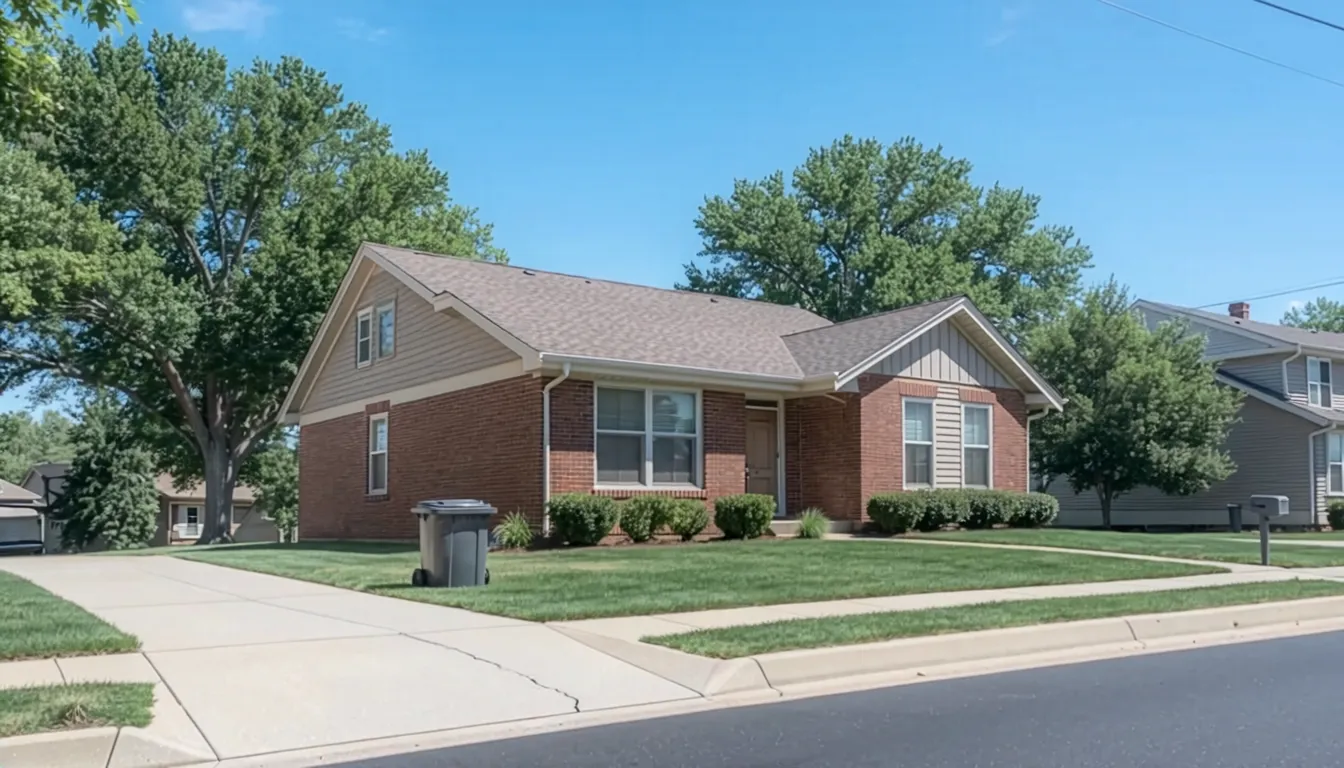
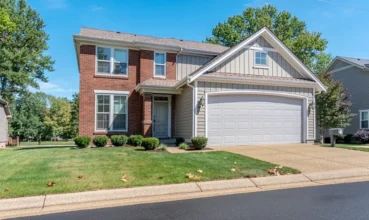
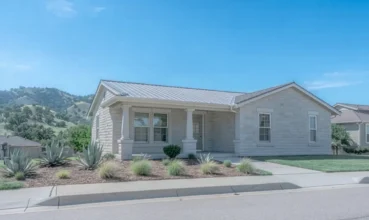
In Warminster, a middle Bucks County township where many homes date to the 1950s and 1960s, a split has opened between properties that are move-in ready and those that need work. According to Tracey Hill, a 20-year real estate veteran who recently opened an office for Innovate Real Estate in Bethlehem, Pennsylvania, 54% of homes in Warminster are still selling within the first five days at or above list price. The other 46% are cycling through price reductions to attract buyers who now have enough leverage to demand them.
That gap, between turnkey homes that still draw multiple buyers and dated properties sitting 60 days or more, is defining the market heading into 2027.
The Condition Premium
Hill says the shift became noticeable around late July and early August. She currently has two listings in Warminster, both mid-1960s split-level homes with partial updates. Both are sitting.
Buyers on those properties are offering below list price and requesting inspections, a practice that had largely disappeared over the past several years. Hill notes that some inspection companies closed during the period when buyers routinely waived inspections, and now inspectors are hard to book quickly because demand has returned.
Buyers are also bringing contractors to second showings to estimate renovation costs, then using those figures to negotiate further. Hill says they sometimes use the estimates to justify a lower offer and other times gather the information for their own planning before committing.
Why Warminster Attracts First-Time Buyers
Warminster holds a distinctive place within Bucks County. It sits 10 to 15 minutes from Doylestown, Newtown, and New Hope, offering access to much of what draws people to the county, but at more reasonable prices than those surrounding towns. That combination makes it an appealing choice for first-time buyers looking to put down roots in Bucks County.
Hill describes the buyer pool as a mix of locals, Philadelphia residents, and a notable share of transplants from New Jersey. Many of those buyers, she says, have realized they can get considerably more house for their money in Pennsylvania, where property taxes are lower. New York buyers have also appeared at open houses.
The current slowdown works in these buyers’ favor. They now have room to negotiate on older properties instead of competing in bidding wars. “They now have a little bit more leverage to get it at a price that is more suited for them,” Hill says.
New Construction Serves a Different Buyer
Toll Brothers is building homes at Brenton Hill in Warminster priced above one million dollars, but Hill says the new construction market and the resale market largely serve different buyers. Her current resale listings run around $190 to $200 per square foot, while new construction can range from $300 to $500 per square foot depending on finishes.
She recently sent a buyer to explore new construction and learned the listed price carried a $30,000 lot premium before any upgrades. “The minute you start adding upgrades, the price per square foot goes higher and higher,” she says. The buyer walked away immediately. Some buyers want new construction regardless, but Hill says that segment is not displacing resale demand. “The majority – I don’t feel like they’re beating out the homes that are on the market.”
The Rate Lock-In Effect and Creative Responses
Underlying the slowdown is a familiar constraint: homeowners who refinanced during the low-rate period are reluctant to sell and take on a mortgage above 7%. Hill says this is suppressing listing inventory across the board and is particularly visible among would-be downsizers. “A lot of my generation, they all refinanced when the refinancing was good, and now they’re ready to downsize, but that rate’s too good to leave.”
Lenders are responding with workarounds. Hill describes a strategy a mortgage professional she works with recently promoted: a buyer offers the full list price on a reduced-price home and asks for seller assist to buy down the rate. Hill says the example her lender used showed a savings of roughly $400 a month on the mortgage payment. “You might feel like you’re paying more than you should be paying, but in the long run, you’re getting money back to make your mortgage payment less,” she says.
Investors Are Interested but Inventory-Constrained
For investors looking at Warminster, longer days on market and room to negotiate make the environment theoretically favorable. But Hill says the inventory of true fixer-uppers is thin. She has three investors calling her, and none have found what they are looking for.
Owners of homes in poor condition may be reluctant to list precisely because the market no longer rewards imperfect properties. “If it’s really in bad shape and people aren’t overbidding and people are getting inspections, it’s a scary time to sell, especially for someone that’s in a house that needs a lot of work,” Hill says.
Where Demand Holds Firm
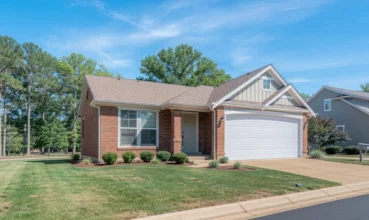
One consistent bright spot within Bucks County: ranch homes. Baby boomers seeking first-floor living are driving prices on ranchers above what comparable colonials with more bedrooms and more land would fetch. Hill describes that demand as consistent across the county.
Walkable town centers also continue to attract strong interest. Hill says retirees in particular want to be in town so they can walk to restaurants, parks, and entertainment. Properties in those locations are still selling quickly, while homes on the outskirts of desirable towns are sitting longer, another version of the same two-speed divide playing out at the property-condition level.
Looking ahead, Hill does not expect conditions to improve before 2027. “The trend that I see, unfortunately, is it’s turning into a buyer’s market and the sellers are the ones taking the hit right now.”
About the Expert: Tracey Hill is a real estate professional with Innovate Real Estate in Bethlehem, Pennsylvania, who covers Warminster and the surrounding Bucks County area.
This article is based on information provided by the expert source cited above. It is intended for general informational purposes only and does not constitute legal, financial, or real estate advice. Readers should conduct their own research and consult qualified professionals before making any real estate or financial decisions.