The Hudson Valley real estate market has moved through several distinct phases over the past six years, the COVID-driven surge, the post-pandemic correction, the rate shock, and now a period that feels, to those working it daily, like a market finding its own footing. For agents covering the region, that means navigating four or more counties simultaneously, educating buyers who may not know the difference between Ulster and Dutchess, and managing seller expectations in a market that is neither as hot as 2021 nor as soft as some predicted.
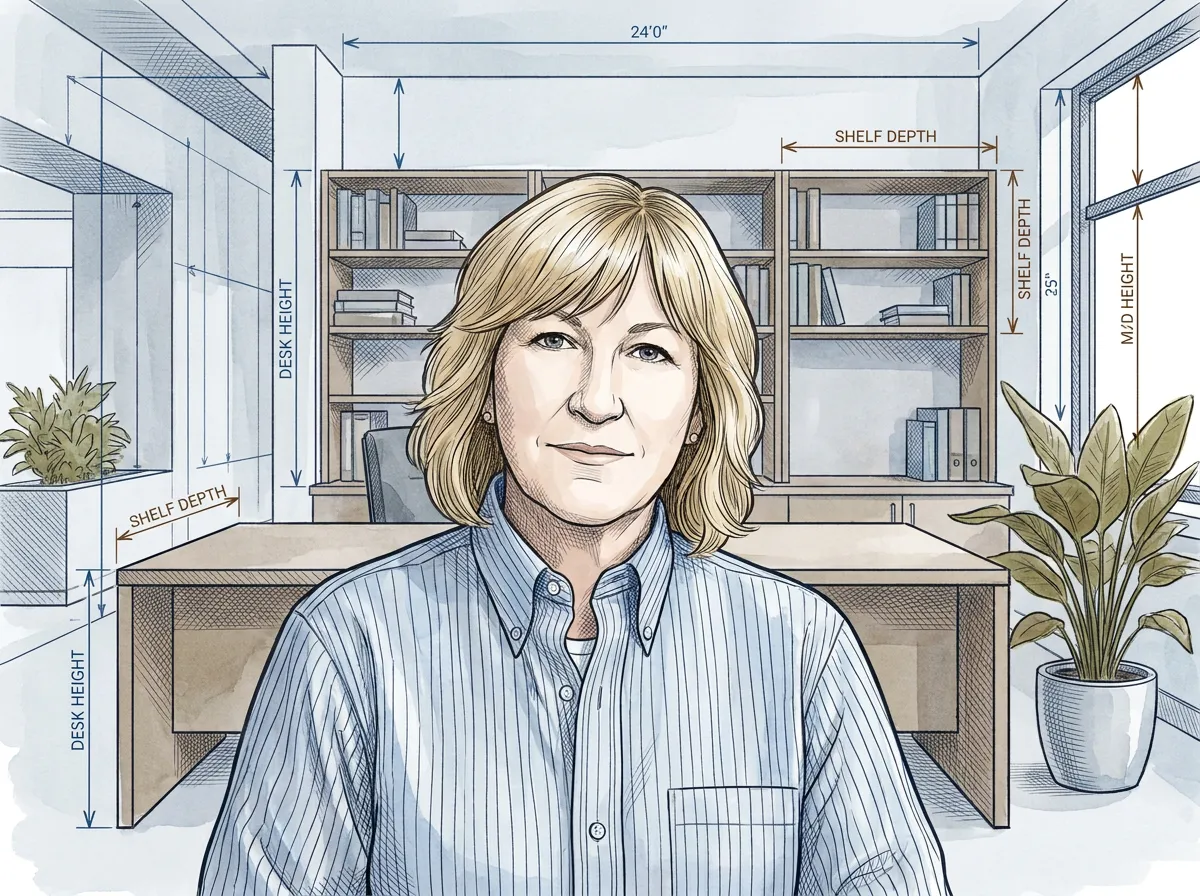
Vicki Stent, a licensed real estate salesperson with Coldwell Banker Village Green Realty, has been working this market full time since the early days of the pandemic. Her footprint spans Ulster, Greene, Dutchess, and Columbia counties, with occasional reach into Sullivan, Putnam, and Delaware. That breadth is itself a product of the COVID era, when buyers arriving from New York City often had no geographic reference point at all.
A Market Shaped by Migration
When the pandemic hit, the dynamic was straightforward: city dwellers wanted out, and the Hudson Valley was close enough to reach without stopping. That wave pushed prices up, compressed inventory, and forced agents to become regional educators as much as property advisors.
“A lot of people coming up here didn’t even know where the places were,” Stent recalls. “We really had to give everybody an education when they first came up here of where they were even looking.”
That initial wave has since given way to a more varied buyer pool. West Coast transplants fleeing drought and wildfire risk have become a noticeable segment. Families returning to be near relatives, downsizers, and people seeking a different pace of life all show up in the mix. The second-home buyers who purchased during COVID and then sold once offices reopened have largely exited, adding inventory churn that shaped the mid-2020s market.
What hasn’t changed is the emotional nature of the search. Stent estimates that roughly 90% of her buyers end up purchasing something meaningfully different from what they originally described wanting. The gap between what buyers think they want and what actually moves them is wide, and it often comes down to a property’s character or setting rather than a checklist of features. “At the end of the day, it is an emotional decision,” she says.
That disconnect is partly a technology problem. Listing photography and AI-enhanced images have raised the visual bar online, sometimes setting buyers up for disappointment in person. The practical effect is that agents are doing considerably more pre-screening and matching work than in previous cycles.
The Persistence of Demand
The rate environment has reshaped how deals get done, though perhaps less dramatically than some anticipated. When mortgage rates first climbed sharply from their pandemic lows, cash buyers became more prominent, buyers who could sidestep financing costs entirely. Rates sitting around 6% in mid-2026 are not extreme by historical standards, but for buyers who entered the market during the 3% era, the adjustment has been real.
“First-time homebuyers who bought during that period think that 3% is the norm,” Stent observes. “But those of us who have been around for a while and seen up to 12%, we’re never going to see those times again.”
Despite the rate environment, demand in the Hudson Valley has held up better than many expected. Multiple-offer situations still occur on well-priced properties. The market has simply become more selective.
Where Deals Move
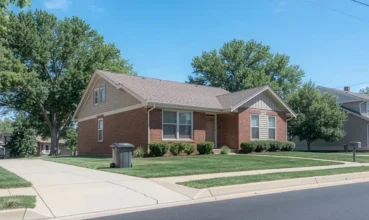
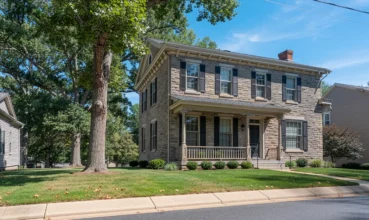
The pace of sales varies sharply depending on property type and pricing accuracy. The Hudson Valley’s property mix ranges from wood cabins and historic farmhouses to mid-century modern homes and large rural estates. That diversity means buyer preferences cycle in ways that don’t always align with what’s currently available.
Properties that sit tend to do so for identifiable reasons: a style out of step with current demand, overpricing relative to recent comparables, or condition issues buyers aren’t willing to take on. “If a house has been looked after and has good bones, it’s going to go quick,” Stent says. “You still have to get in quickly and as strongly as you can.”
Sellers who price accurately are generally achieving their asking figures. Those who believe their property warrants a premium above what the data supports are finding the market less forgiving. “It does come down to hard facts,” Stent notes. “The house is the house. It’s got a certain amount of square footage.”
The Tax Question
Rising property taxes are beginning to reshape where price-sensitive buyers look within the region. The influx of buyers, rising sale prices, and increased demand for local services have prompted reassessments in towns that had gone years without updating their valuations.
Stent explains that many local governments had not reevaluated their housing markets in years, but the volume of sales and property improvements has forced their hand. “Because of the influx of people coming in, houses being bought, sold, improved, taxes are definitely going up,” she says.
This is pushing some buyers further out, into counties like Delaware that still offer lower tax bases. It’s a pattern familiar from other markets where urban migration pressure moves in concentric rings, each wave of affordability seekers pushing the next boundary outward.
A Rural Market
Beyond pricing and taxes, the Hudson Valley presents practical realities that distinguish it from the suburban markets many buyers are leaving behind. Most properties rely on private well and septic systems rather than municipal services: a detail that surprises many buyers coming from suburban New Jersey or urban environments. The region also sits within New York City’s watershed system, which brings its own regulatory framework around land use and environmental standards.
These are not obstacles so much as context. Agents who work the market regularly build fluency in county-specific regulations, watershed rules, and the practical realities of rural property ownership. For buyers, it means the due diligence process looks different here than it might in a more standardized suburban market.
Looking Ahead
As of mid-2026, the Hudson Valley market reads as fundamentally healthy, with demand supported by genuine lifestyle appeal rather than speculative pressure. Inventory has loosened somewhat from the tighter conditions of the previous year, giving buyers more to work with without eliminating competition on desirable properties.
The larger uncertainties, interest rate direction, broader economic conditions, remote work policy changes, remain hard to predict. What seems clear is that the Hudson Valley’s appeal is durable. The combination of proximity to New York City, open land, watershed protections that limit overdevelopment, and a culturally diverse residential base gives the region characteristics that are difficult to replicate elsewhere in the Northeast.
For buyers considering the market, the practical advice from those working it daily is consistent: be open to properties that don’t match your initial mental image, understand the rural infrastructure realities before you start, and move decisively when something fits. The market rewards preparation and flexibility, and penalizes hesitation on well-priced inventory.
About the Expert: Vicki Stent is a licensed real estate salesperson with Coldwell Banker Village Green Realty, serving the Hudson Valley across Ulster, Greene, Dutchess, and Columbia counties, with occasional reach into Sullivan, Putnam, and Delaware counties.
This article is based on information provided by the expert source cited above. It is intended for general informational purposes only and does not constitute legal, financial, or real estate advice. Readers should conduct their own research and consult qualified professionals before making any real estate or financial decisions.