San Francisco’s residential real estate market has moved beyond the “recovery” phase, setting new records in both sales and pricing, particularly at the luxury end. While national headlines often describe the city as slowly rebounding, local market data shows that San Francisco is now leading the nation in price appreciation and buyer demand — especially for high-end properties.
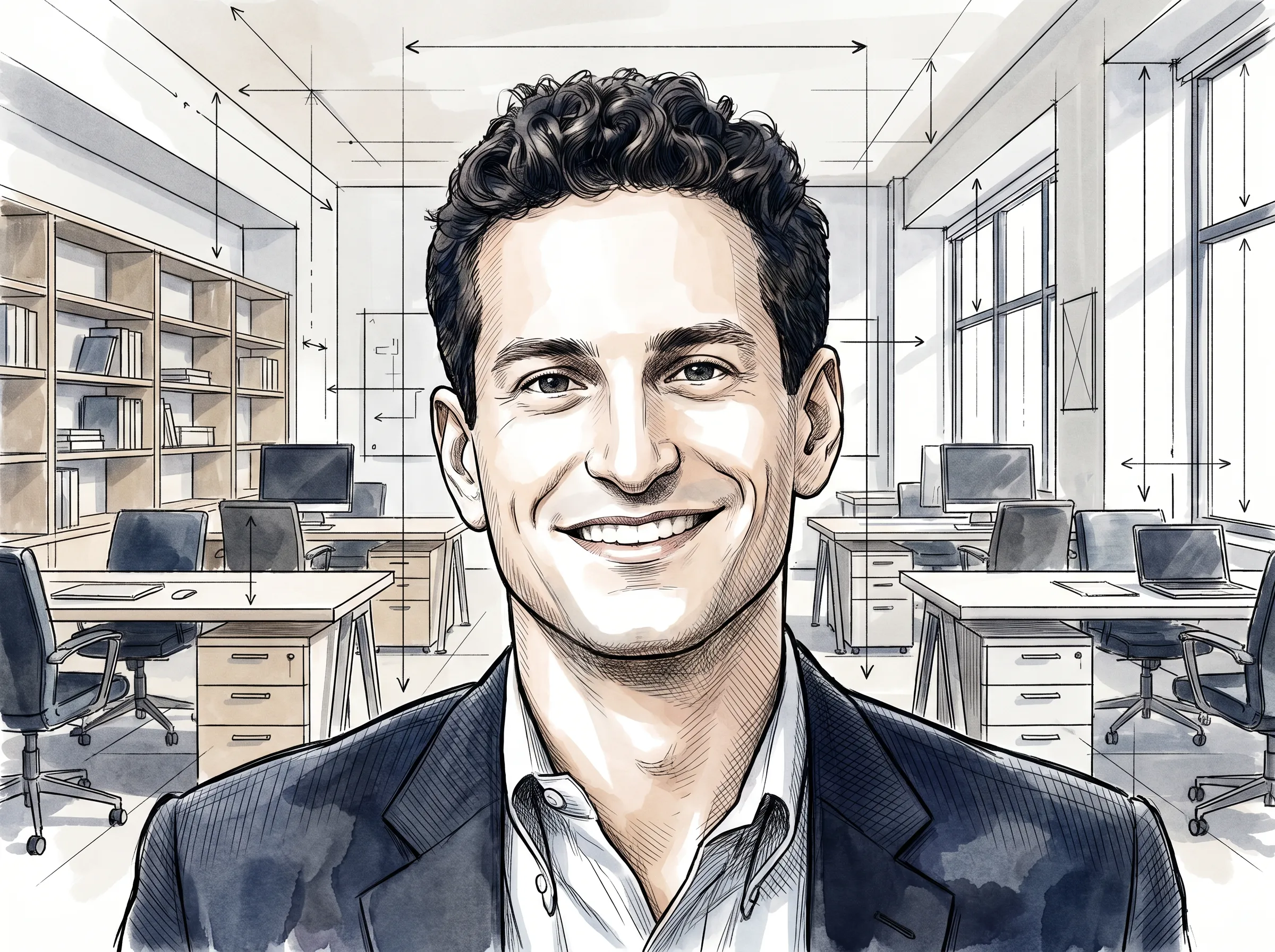
Alexander Lurie co-leads City Real Estate, the #1 real estate team in San Francisco — by both volume and sides — projected to close well over $1 billion in deals this year. Lurie sees the changes up close: “San Francisco is the fastest appreciating market in the country right now, not only on the sales side, but also on the rental side. We’re up in the double digits year over year. Rental markets up 20%, single-family homes in certain parts of San Francisco are up 25% or higher.”
Multiple Forces Fuel the Market’s Rise
San Francisco’s dramatic turnaround is driven by several factors converging at once. A major contributor is the return-to-office push by technology companies, which has brought more than 30,000 workers back into the city. At the same time, new city leadership has tackled urban challenges that previously made headlines, improving both the city’s image and its day-to-day livability. As the global center for tech innovation, San Francisco continues to draw talent and investment from around the world.
Lurie points to these combined forces as the engine behind the current boom: the city’s role as a tech capital, the influx of workers returning to offices, and a shift in city leadership that has addressed many past issues. The results are clear in the numbers. Lurie recently closed a $7.5 million sale at 538 28th Street in Noe Valley, setting a neighborhood record. Just a few months later, similar homes nearby have sold at or above that price, illustrating how quickly the market is moving.
Ultra-Luxury Segment Sets New Benchmarks
The most dramatic gains are happening at the very top of the market. Prior to 2026, San Francisco had seen roughly 15 homes sell at or above $30 million in its entire history. This year, Lurie expects seven or eight properties to close at that level, several of which have already sold.
Demand far exceeds supply in the luxury segment. With fewer than 350,000 residential units serving a city of over 800,000 people, competition among buyers is fierce. “There’s much more money in our ecosystem than there is inventory, and there’s real demand for luxury and ultra-luxury homes in San Francisco,” says Lurie. This imbalance is pushing prices to new highs, particularly for unique or recently renovated properties in prime locations.
AI Wealth Drives Luxury Buyer Pool
A significant share of luxury buyers now comes from the artificial intelligence sector. Lurie estimates that more than one-third of buyers in the luxury segment have direct or indirect ties to AI, either through company equity, venture capital, or related industries like biotech and pharmaceuticals. The city’s startup culture and ongoing technology growth are generating new wealth, fueling sustained demand for high-end homes.
This influx of tech and AI money is reshaping buyer demographics, with younger, highly liquid buyers competing for the city’s limited inventory. The impact extends beyond core tech companies to include investors and executives whose compensation is tied to the success of AI-driven ventures.
Off-Market Sales Dominate at the Top
As competition intensifies, more luxury transactions are happening off-market, bypassing public listings. In the ultra-luxury category above $10 million, Lurie estimates that 70–75% of sales are conducted privately. Even in the $5–10 million range, at least 20% of deals never appear on the public Multiple Listing Service.
According to Lurie, most of his sales this year have been off-market. This trend reflects both the desire for privacy among affluent buyers and the need for speed in a market where well-priced properties attract multiple offers before ever reaching public view.
Regional Differences Within the Bay Area
San Francisco’s resurgence is not uniform across the Bay Area. The city itself leads in both price gains and transaction volume, with certain areas on the peninsula south of San Francisco also seeing strong activity. Other parts of the Bay Area, however, have not matched San Francisco’s pace.
The city’s dominance is driven by its concentration of jobs, urban amenities, and cultural attractions, which continue to draw both local and relocating buyers. While nearby markets benefit from spillover demand, San Francisco remains the primary focus for luxury buyers seeking proximity to the tech sector and vibrant city life.
Investment Opportunities and Local Considerations
Despite record prices, Lurie identifies several areas with significant upside potential for investors. He points to neighborhoods like the Mission, South of Market, and Bayview-Hunters Point — areas along the city’s southern edge that have not yet reached peak pricing. These neighborhoods are attracting interest from buyers looking for value and long-term appreciation.
However, Lurie cautions that San Francisco’s regulatory environment is complex. Local tenant-landlord laws are highly specific and can impact investment returns. Investors must be well-versed in these rules before buying rental properties or multi-unit buildings.
Political Stability Supports Market Confidence
A change in city leadership has had a visible impact on both the real estate market and overall city conditions. Lurie credits the new mayor and city officials with improving public safety, cleanliness, and the city’s reputation. These changes have increased confidence among both residents and investors, reversing some of the negative perceptions that persisted during the pandemic and its aftermath.
This improved political climate, coupled with a stronger sense of order in the city, has helped attract new buyers and encouraged existing homeowners to invest in upgrades and renovations.
What to Watch in the Year Ahead
Several factors will shape San Francisco’s luxury market over the next year. The performance of the AI and technology sectors remains central, as liquidity events like IPOs and tender offers often translate directly into real estate demand. Lurie recommends tracking public offerings and major funding rounds, as these can quickly increase the number of qualified buyers in the market.
City Real Estate’s own expansion into Marin County, just north of San Francisco, reflects the increasing movement of buyers between city and suburban markets. This trend highlights the interconnectedness of the region and the importance of understanding client preferences that span both urban and suburban settings.
Reality Outpaces National Perception
Despite continued national coverage that frames San Francisco as a market in recovery, local data show the city is outperforming nearly every other major market in the country. Lurie is direct: “It’s inaccurate to say San Francisco is still recovering. We are at record highs right now, and we’re the fastest growing city of any big city in the country.”
This gap between perception and reality creates an opportunity for buyers and investors willing to look beyond headlines. With major international events like the FIFA World Cup on the horizon and ongoing business growth, the city’s residential market appears positioned for further strength.
For real estate professionals and investors, San Francisco offers both significant opportunity and notable complexity. Success requires a deep understanding of local regulations, market dynamics, and the evolving profile of luxury buyers. The city’s move from a recovery narrative to clear market leadership demonstrates how local factors can drive outcomes that diverge sharply from national trends. As the city continues to attract new wealth and talent, its residential market is likely to remain a national leader in both appreciation and innovation.
About the Expert: Alexander Lurie is the founder of The Lurie Group at City Real Estate, specializing in San Francisco luxury and ultra-luxury residential transactions, with a focus on properties starting at $5 million and above. His perspective is shaped by active involvement in record-setting deals across the city’s high-end market, offering firsthand insight into demand trends, pricing dynamics, and the influence of technology-driven wealth on local real estate.
This article is based on information provided by the expert source cited above. It is intended for general informational purposes only and does not constitute legal, financial, or real estate advice. Readers should conduct their own research and consult qualified professionals before making any real estate or financial decisions.