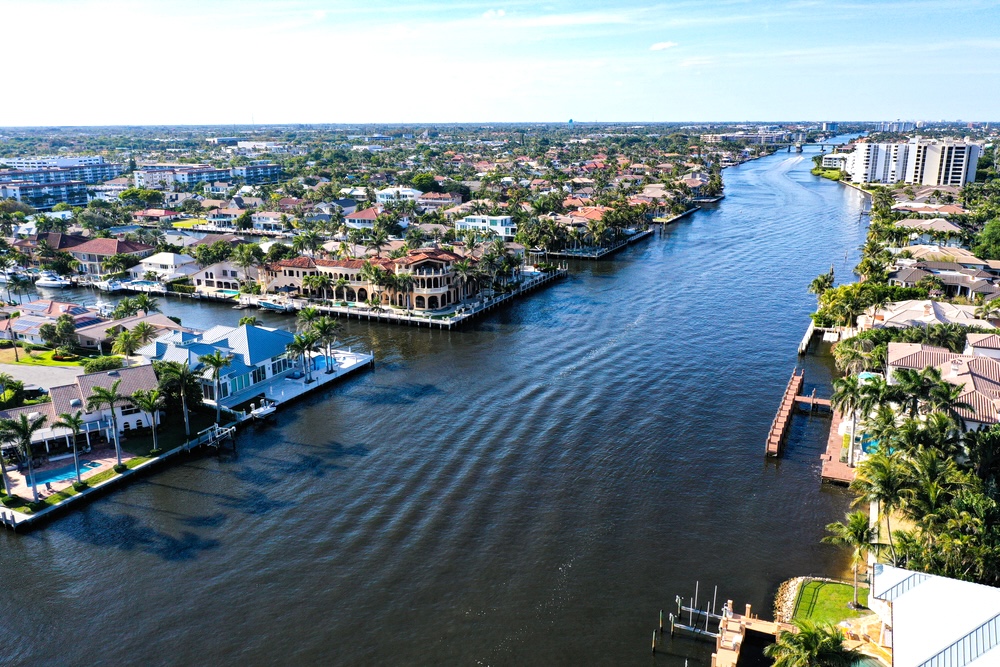
After nearly two years of falling prices driven by Hurricane Ian, rising insurance costs, and higher interest rates, Cape Coral’s housing market has found its floor. Prices corrected roughly 18.5% from their pandemic peak before stabilizing in mid-2025, according to Jeffrey Kershner, President and CEO of SunLife Homes, a regional builder completing around 210 homes this year in Cape Coral and Port Charlotte.
For buyers who spent the past year watching from the sidelines, the correction is over, but the leverage hasn’t disappeared. Builders are still offering closing-cost assistance and rate incentives, inventory remains accessible, and prices are rising slowly rather than surging.
What the Market Looks Like Now
Since hitting bottom in July 2025, SunLife has not cut prices or added new incentives. Buyer traffic, however, has picked up sharply. As of early June 2026, the company has closed 46 homes and has 23 more under contract, putting it on pace to surpass its entire 2025 closing volume in the first half of the year alone. That works out to roughly five sales per week.
The pace signals that demand has returned, but prices remain stable rather than climbing quickly. “Everything we’re seeing internally shows that prices have turned positive again; they’re not growing rapidly, but they’re not declining,” Kershner says.
For buyers, this means the window of deepest discounts has likely closed, but the market still favors those willing to negotiate.
Why the Correction Happened
Cape Coral absorbed several blows in rapid succession. Hurricane Ian struck in 2022, rattling buyer confidence. National headlines about soaring Florida insurance premiums followed. Then interest rates climbed, softening demand while inventory accumulated.
Much of the fear, however, outpaced reality, particularly around insurance. Kershner says SunLife’s average insurance rate on new homes runs less than $1,000 per year. The widely reported $4,000 to $6,000 premiums apply primarily to older homes in flood zones. New construction built to current Florida Building Code, with impact windows, impact doors, and 160 mph wind resistance, costs far less to insure because it carries lower risk of catastrophic damage.
New homes in Cape Coral also typically sit outside flood zones, eliminating another cost that discourages buyers elsewhere in the state. As those facts have become clearer to prospective buyers, confidence has returned.
How Deals Are Getting Done
The current market is active but not frantic. Builders are still using financial tools to help buyers qualify, particularly first-time purchasers, who account for about two-thirds of SunLife’s sales.
Kershner says roughly 85% of buyers choose builder-paid closing costs over promotional interest rates. SunLife also works with lending partners to minimize cash required at closing. From contract to completion, the company runs about a 95-day construction cycle, meaning buyers who sign today are typically in their homes within three months.
A brief dip in buyer confidence earlier in 2026, tied to rising energy prices and global uncertainty, has since eased as gas prices pulled back.
What This Means for Buyers, Sellers, and Investors
Buyers should move with intention rather than urgency. Prices are stable, builders are still offering closing cost help, and negotiating room exists, especially for first-time buyers. Getting pre-approved now clarifies actual purchasing power, and requesting insurance quotes on new construction often reveals costs far below what headlines suggest.
Sellers of existing homes face a harder environment. They’re competing against new construction that includes standard upgrades and builder incentives. Honest pricing and willingness to offer concessions are essential when buyers have alternatives.
For investors who were waiting for a deeper crash, the 18.5% correction may have been the entry point. The market is no longer falling, though it isn’t booming either. Cape Coral’s long-term fundamentals, canal access, warm climate, and no state income tax remain intact.
What Comes Next
Cape Coral experienced one of the steepest post-pandemic price corrections in the country and has emerged into a period of price stability and steady buyer activity. The question going forward is whether demand continues strengthening enough to push prices meaningfully higher, or whether elevated interest rates and insurance concerns keep appreciation modest.
For now, the market sits in a narrow band, no longer declining, not yet accelerating, that gives buyers time to act without the pressure of rapid price increases. That balance is unlikely to last indefinitely as inventory tightens and builder incentives eventually scale back.
About the Expert: Jeffrey Kershner is President and CEO of SunLife Homes, a regional builder completing around 210 homes this year across Cape Coral and Port Charlotte, Florida.
This article is intended for informational purposes only and does not constitute legal, financial, or investment advice. The views and opinions expressed herein reflect those of the individuals quoted and do not represent an endorsement of any company, product, or service mentioned. Readers should conduct their own due diligence and consult qualified professionals before making any investment decisions.