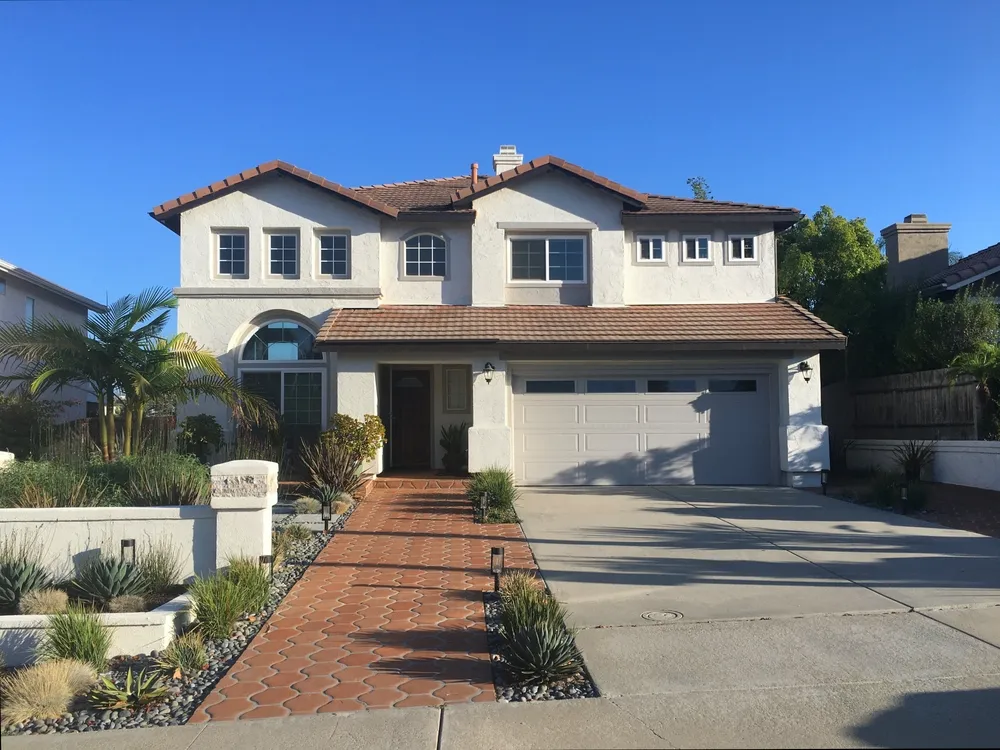
Most conversations about Los Angeles real estate center on unaffordable coastal markets and residents leaving the state entirely. But not every buyer priced out of metro LA is heading to Texas or Arizona. A steady share is driving north, to the Antelope Valley, where homes between $450,000 and $650,000 sell within weeks and inventory sits at roughly three months of supply, according to Christina DiMarzo, a broker associate with RE/MAX All Pro who has been licensed for approximately 23 years.
The result is an unusual market identity: affordable by LA County standards, anchored by defense and aerospace employers, and absorbing displaced buyers from more expensive neighborhoods to the south.
A Buyer Pool Split
DiMarzo describes a buyer pool divided between two distinct groups. First-time buyers – many of them military – are using LA County grant programs that offer up to $20,000 toward a down payment. With only 3% down required, some are purchasing homes with effectively no out-of-pocket costs while also negotiating seller concessions for closing costs.
The second group consists of move-up buyers and renters pushed out of downtown LA and the San Fernando Valley. “A lot of people are getting priced out in the Valley area and downtown LA area,” DiMarzo says. “A lot of buyers are moving up to our area since our area is a lot more affordable.”
The presence of Northrop Grumman, Lockheed, General Atomics, and nearby Edwards Air Force Base gives the market an employment base that most exurban communities lack. Engineers and defense contractors make up much of the seller side, while military personnel and first-time buyers dominate the entry-level segment. For buyers considering the area, this employer concentration means demand is less dependent on speculative appreciation and more tied to ongoing job placement.
Sellers Haven’t Caught Up
Despite healthy absorption, the market is showing early signs of a pricing correction. DiMarzo reports low appraisals on her last two listings, suggesting that asking prices have crept above what comparable sales support.
“Seems like the prices are starting to come down a little bit and sellers have not realized that yet,” she says.
Seller concessions have become routine. DiMarzo estimates that sellers are contributing between $20,000 and $40,000 toward closing costs on average, and that roughly 95% of her first-time buyer transactions at lower price points include full closing cost coverage from the seller. That level of concession would have been unusual a few years ago.
For buyers, this means negotiating power has shifted in their favor, particularly at entry-level prices. Sellers who resist concessions or ignore appraisal feedback risk having deals fall apart entirely. DiMarzo describes one transaction that collapsed because a low appraisal could not be rebutted, leaving both parties back at square one.
Where the Opportunity Sits
For capital looking to enter the Antelope Valley, DiMarzo points toward properties under $700,000 that can serve as rentals for incoming aerospace employees. Many Northrop Grumman and Lockheed workers seek temporary rentals – roughly a year – while they evaluate the area before committing to a purchase. They want quality accommodations, which means a well-appointed home in the right school district can command strong rental demand.
“Stay under 700,000, get more of a luxury home that you’re able to rent out to higher-end buyers that are moving to our area,” she advises.
The west side of Lancaster and Palmdale consistently outperform other pockets, driven largely by school district preference. Pool homes also command premiums. Properties above $650,000 take 30 to 45 days to sell, compared to weeks for anything below that threshold – a gap that matters for investors calculating carrying costs.
The limitation of this strategy is concentration risk. Rental demand depends heavily on continued aerospace hiring in the area. A slowdown at Northrop Grumman or Lockheed would reduce the pool of temporary renters willing to pay for higher-end accommodations.
A Market Still Growing
The Antelope Valley remains in a development phase. DiMarzo points to new hotels, restaurants, and retail – including two Sprouts locations – as indicators of continued commercial investment. Significant vacant land remains available for further residential and commercial construction.
That growth trajectory, combined with the aerospace employment base, has so far insulated the market from the broader California outmigration story. DiMarzo notes that even with residents leaving the state, the price differential between the Antelope Valley and the rest of LA County continues to draw internal migration northward. Rent in the area still exceeds what buyers would pay on a monthly mortgage for comparable housing, she says, which keeps purchase demand active even at current interest rates.
Buyers also face a common misconception about the area. DiMarzo says people frequently cite high crime as a concern, but notes that when measured against LA County as a whole, crime statistics are comparable across the board.
What the Concession Trend Signals
The clearest forward-looking indicator in this market is not listing prices; it is the size and frequency of seller concessions. When sellers routinely contribute $20,000 to $40,000 toward a buyer’s closing costs, that money effectively reduces the transaction price below the headline number. If concessions continue expanding while appraisals tighten, list prices will eventually follow downward to close the gap.
For sellers in the Antelope Valley, the practical implication is that pricing to comparable sales data on day one – rather than anchoring to what neighbors listed for – reduces the risk of a failed appraisal and a collapsed deal. For buyers, the current environment offers unusual leverage: grant programs, seller-funded closing costs, and softening appraisals combine to make entry costs lower than headline prices suggest. That combination may not persist if rates decline and competition returns to the entry-level segment.
About the Expert: Christina DiMarzo is a Broker Associate with RE/MAX All Pro, with approximately 23 years of experience serving the Antelope Valley communities of Lancaster and Palmdale in LA County, specializing in first-time buyers and aerospace industry relocations.
This article is based on information provided by the expert source cited above. It is intended for general informational purposes only and does not constitute legal, financial, or real estate advice. Readers should conduct their own research and consult qualified professionals before making any real estate or financial decisions.