In Brooklyn’s competitive real estate market, where single-family homes routinely attract multiple offers and sell within days, the agents finding consistent success are those who have built deep expertise in overlooked corners of the market. While most brokers chase high-profile listings, a quieter but steady stream of transactions flows through probate properties, estates left behind by deceased owners, often requiring patient, relationship-driven work before a deal ever materializes.
With housing inventory in Brooklyn at historic lows and buyer demand for single-family homes showing no signs of easing, agents who can source off-market deals through probate courts and long-term relationship building hold a structural advantage over those relying solely on traditional listings.
Jerry Tenenbaum, Broker, CEO, and Owner of RE/MAX Top Nest Real Estate, has spent the better part of a decade building his business around exactly this niche. The result: roughly 50 to 60 probate-related transactions annually, a formal relationship with Kings County Court to represent properties through the public administrator’s office, and a brokerage that has grown steadily since its founding in 2016.
Building a Business
Tenenbaum’s path into real estate follows a familiar arc among independent brokers: years working under larger firms before concluding that ownership suited him better than employment. After relocating to New York nearly 17 years ago, he spent time at two firms before concluding that working within someone else’s structure wasn’t a fit. His prior experience owning a limousine company, adult daycare facilities, and retirement homes shaped his instinct toward ownership and mentorship rather than employment.
“I’ve never been in a position where I had to work for somebody,” he says. “I always like to teach, I like to invent new things, and I like to show what I know.”
That philosophy carries directly into how he runs his brokerage today. In February 2026, Top Nest transitioned to a RE/MAX franchise, becoming RE/MAX Top Nest, a move intended to support the firm’s growth ambitions while maintaining its relationship-first culture. The team serves buyers, sellers, and investors across New York City’s five boroughs, with Brooklyn remaining its primary market.
The Probate Niche
The probate specialization came about somewhat by chance. About nine or ten years ago, a contact offered to sell Tenenbaum probate leads, a market segment he hadn’t previously considered. He took a trial run, saw the potential, and built a systematic approach around it.
Probate properties are estates in which a deceased person’s assets, including real estate, must be managed and often sold by a court-appointed executor. The process is frequently slow, emotionally charged, and legally complex, factors that discourage most agents from pursuing it seriously.
Tenenbaum’s approach centers on compassion and long-term engagement rather than immediate conversion. He reaches out to executors without pressure, offering guidance and checking in periodically to see whether they are interested in selling now or in the future. “I’m there for them when the time is right,” he says.
The outreach involves phone calls and letters, with follow-up cycles that can stretch over months or years. In New York, the probate process alone can take anywhere from nine months to two years, particularly when multiple heirs are involved or when the deceased left no will. Rather than viewing this as a drawback, the brokerage treats it as a reason to stay engaged and provide genuine guidance throughout.
The consistency of that approach led Kings County Court to approach the firm directly to handle property sales through the public administrator’s office, a meaningful validation of the brokerage’s track record in this space.
The Brooklyn Market
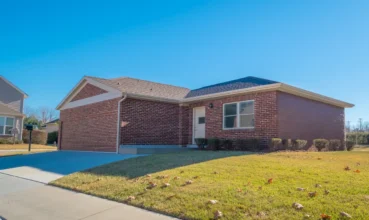
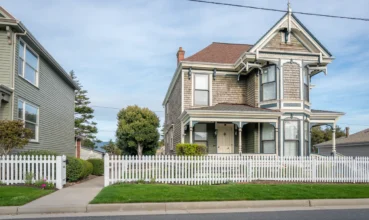
Current conditions in Brooklyn are splitting along clear lines, with single-family homes performing very differently from condos and co-ops. Single-family, two-family, and three-family homes remain in strong demand, with well-priced, well-marketed properties regularly attracting multiple offers. A recently listed, renovated home in Flatlands sold in a single day for $46,000 over the asking price after one open house. A probate property sourced through the court sold for $110,000 above the asking price.
Brooklyn’s limited land supply drives much of this intensity. “There’s no more land. There’s nothing more you can build,” Tenenbaum notes. “I’m seeing multiple offers on every single house – one family, two family, three family – they’re gone within weeks.”
The condo and co-op segment tells a different story. Since the pandemic, demand for attached housing has softened noticeably, particularly among younger buyers who now prioritize outdoor space and privacy. Properties that once served as affordable entry points into homeownership are taking longer to sell, and pricing them correctly has become more critical. Tenenbaum says buyers increasingly prefer spending comparable money on a house they can renovate rather than on a condo without outdoor space.
Rates and Affordability
Buyer hesitation around interest rates is a recurring theme in conversations across the brokerage. Tenenbaum’s response to rate-sensitive clients reflects a perspective grounded in historical context rather than short-term conditions.
He tells buyers that rates in the six to seven percent range are not historically elevated, particularly compared to the double-digit rates of the 1980s. For buyers who carry credit card debt at 28 percent interest without hesitation, he argues, balking at a mortgage at a fraction of that rate deserves scrutiny. “You’re marrying the house, you’re not marrying the interest rate,” he says.
The broader point is one that many experienced operators echo, that waiting for ideal conditions often means waiting indefinitely in a market where supply constraints are structural rather than cyclical.
Execution Over Exposure
Beyond sourcing deals, a growing gap separates agents who post a listing and wait from those who market aggressively, negotiate strategically, and engineer outcomes when deals hit complications. In a market where inventory remains tight but buyers have become more deliberate, that distinction shows up clearly in outcomes.
“Today’s market is exposing the difference between agents who simply put a listing online versus agents who truly know how to market, negotiate, and create demand,” Tenenbaum says.
This extends to how the firm handles deals that run into complications. A recent condo transaction hit a snag when the buyer reviewed the building’s financials and grew concerned about the management company’s performance. Rather than letting the deal collapse, the team negotiated a seller credit structured to offset potential special assessments over the next decade. This solution kept both parties at the table.
The Follow-Up Discipline
Underlying much of the brokerage’s approach is a structured commitment to consistent communication. Tenenbaum runs an internal program called Follow-Up Mondays, in which agents cycle through their entire lead list each week, moving any unanswered contacts to the following week rather than letting them fall through the cracks.
The discipline reflects a longer-term view of relationship building that plays out over years, not weeks. One property on 59th Street in Sunset Park took ten years of monthly contact before the family was ready to sell. They eventually listed with Tenenbaum – not because of a single impressive pitch, but because of a decade of consistent, low-pressure presence.
For a market as competitive and relationship-driven as Brooklyn, that kind of patience may be the most durable competitive advantage available. As inventory tightens further and off-market sourcing becomes more valuable, brokerages built on systematic follow-up and niche expertise are positioned to outperform those relying on volume alone.
About the Expert: Jerry Tenenbaum is the Broker, CEO, and Owner of RE/MAX Top Nest Real Estate, a Brooklyn-based brokerage he founded in 2016 that transitioned to a RE/MAX franchise in February 2026.
This article is based on information provided by the expert source cited above. It is intended for general informational purposes only and does not constitute legal, financial, or real estate advice. Readers should conduct their own research and consult qualified professionals before making any real estate or financial decisions.