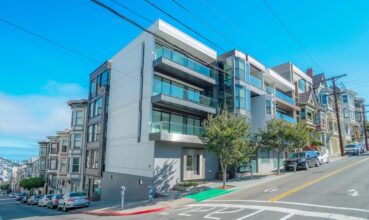
The real estate markets of Marin and Sonoma counties, just north of San Francisco, offer a clear example of how high-end housing responds to economic volatility. While national headlines highlight dramatic swings in prices and demand, the reality in Marin and Sonoma counties is one of stability shaped by scarcity, shifting buyer behavior, and the growing importance of specialized expertise.
Rick Warner, founder and team leader of The We Group at Vanguard Properties with more than two decades of experience in Marin and Sonoma counties, has worked through multiple market cycles in the region. Local dynamics in these counties often diverge from broader national trends, making that nuanced understanding critical for buyers, sellers, and agents.
Buyers Split on Home Condition
Buyer preferences in Marin and Sonoma counties have become sharply divided. Most demand concentrates at opposite ends of the spectrum: fully renovated, move-in-ready homes or properties needing significant work that buyers can renovate to add value. “The houses that have been moving in our area are basically two things,” Warner says. “One is the house that’s totally done — you don’t have to do anything to it. And then the other extreme is houses that need a lot of attention.”
This polarization reflects a cautious buyer mindset. Many want homes that eliminate risk and hassle, while others seek deep discounts or equity potential through renovation. Properties that need only modest updates or lack standout potential are attracting little interest.
Rate Lock Limits Seller Activity
Mortgage rates remain a defining factor in the region’s market dynamics. The rate lock effect has kept would-be sellers on the sidelines. When rates rose to 7% or higher, homeowners with sub-3% mortgages had little incentive to list their homes and take on much higher payments. “Everybody who would have maybe naturally chosen to sell their house and bought another house… none of those people were listing their house,” Warner says.
With about 65% of homeowners holding loans at 3% or below, a strong financial barrier to moving persists. The seller pool is now dominated by those with urgent reasons such as death, divorce, job relocation, or financial necessity rather than discretionary movers.
Low Inventory Stabilizes Local Prices
The sharp reduction in voluntary sellers has kept inventory low, stabilizing prices even as borrowing costs rose. As Warner notes, “The number of properties on sale went down 40% from the average. It artificially kept the prices up, even though interest rates went up.”
Higher rates have not led to falling prices because so few homes are coming to market. Constrained inventory and thinner buyer pools have created a market that neither strongly favors buyers nor sellers, leaving conditions in an uneasy equilibrium.
Complex Transactions Need Specialist Knowledge
As transactions become more complex, agents with advanced knowledge in probate, trust, and divorce sales are finding an edge. These transactions involve multiple stakeholders, legal requirements, and heightened emotions. “Not every realtor wants to be in the middle of that,” Warner says, referencing the communication and sensitivity required in divorce cases.
A full-service approach to estate and probate work covers everything from repairs and renovations to staging, marketing, and logistics management for out-of-state heirs or professional fiduciaries. This model allows clients to minimize their involvement, a significant advantage for those managing sales from afar or under stressful circumstances. The service has expanded statewide through partnerships with local agents in other markets.
Buyer and Seller Expectations Diverge
One of the most persistent challenges in the current market is the disconnect between buyers and sellers. “When a market is changing, sellers still think it’s a seller’s market, and buyers think it’s a buyer’s market,” Warner observes. This misalignment often leads to difficult negotiations and inconsistent results.
Recent sales highlight this volatility. Some homes receive multiple offers and sell well above asking price, while others linger and require price reductions. Recent transactions in the area include a property that sold $150,000 over list price after seven offers and another that sold $100,000 below its original asking price following a reduction. This variability underscores the need for accurate pricing and realistic expectations from both buyers and sellers.
Why Market Forecasts Fall Short
On forecasting the next 12 months, Warner is candid: “I have no idea. I think it’s a mistake when people predict where the market is going to go.” He bases this on years of experience watching markets defy expectations, even with careful attention to economic indicators.
Scenario planning offers a more practical approach. If current conditions persist, with no major oil market disruptions, steady interest rates, and stable employment, a flat market with little upward or downward movement is the most likely outcome. “There’s no catalyst for it to go up, and there’s no catalyst for it to go down,” Warner says. Significant changes in interest rates could quickly alter this balance. A drop to 4% would likely push prices higher, while rates rising to 8% or 9% could depress values.
Technology Reshapes Agent Practices
Artificial intelligence is beginning to reshape how agents and clients interact with the market. Updating online profiles to improve visibility for AI-driven search tools has become a practical priority for agents in the region. Some clients now use AI to research market data and advise on strategy. “We have experienced clients using AI to tell us how to do our job,” Warner says.
While these tools enhance efficiency and extend reach, they require agents to adapt their marketing and client education. Staying ahead of technological change is now essential to remaining competitive in the region’s high-end market.
Building Teams in Uncertain Markets
In an industry where 75% of agents completed no transactions in the previous year, mentorship and training are key to building a successful practice. Expanding teams and improving client service are priorities for high-performing groups as they navigate the next two years.
Developing new systems to streamline the client experience reflects a recognition that in a market defined by uncertainty, service quality is a critical differentiator.
Lessons for High-End Markets
The Marin and Sonoma county experience offers several lessons for high-end markets across the country. Supply constraints can keep prices steady even as affordability declines. Buyer demand tends to polarize during uncertain periods, with most interest focused on either fully renovated homes or deep value-add opportunities. As transactions become more complex, specialized expertise and full-service support become essential.
Honest assessment matters more than confident prediction. In a market influenced by global events, monetary policy, and rapid technological change, acknowledging what is unknown and preparing for multiple scenarios may be the most valuable strategy. For real estate professionals and clients alike, adaptability, specialized knowledge, and a clear-eyed view of current market realities are more effective than wishful thinking or outdated assumptions. As the region heads into another uncertain year, those who blend expertise with flexibility will be best positioned to succeed.
About the Expert: Rick Warner is a real estate professional with more than two decades of experience in the Marin and Sonoma county markets of Northern California, specializing in probate, trust, and divorce transactions. He leads a team at Vanguard Properties that provides full-service support for estate and complex sales, working with clients across California through partnerships with local agents statewide.
This article is based on information provided by the expert source cited above. It is intended for general informational purposes only and does not constitute legal, financial, or real estate advice. Readers should conduct their own research and consult qualified professionals before making any real estate or financial decisions.