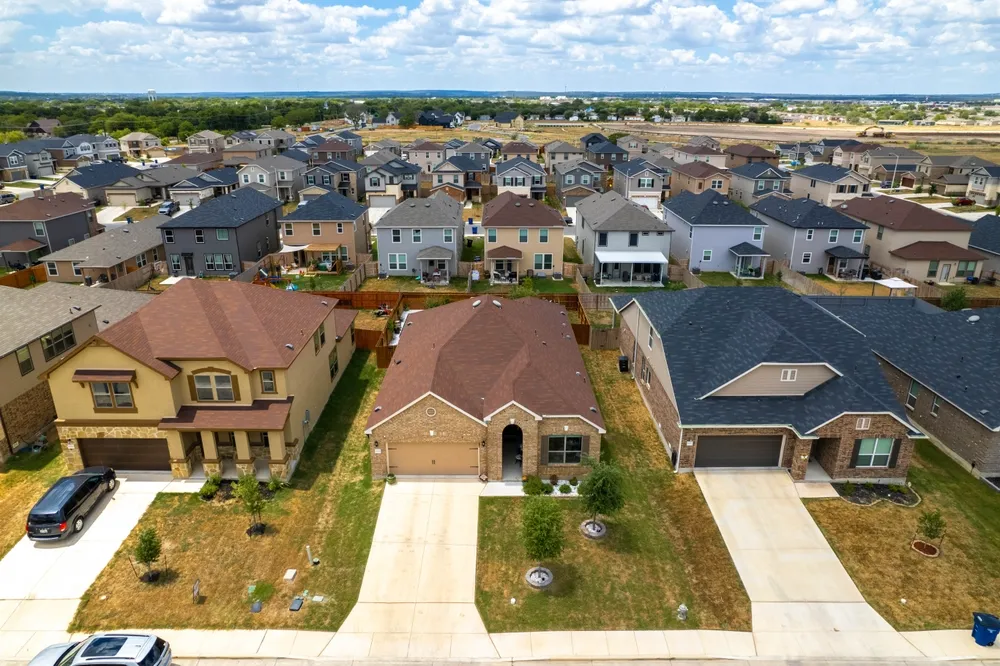
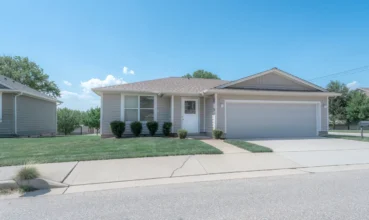
Across Houston’s suburban corridors, a painful math problem is playing out. Homeowners who bought during the pandemic-era rush, many of them paying $80,000 to $100,000 above what their properties are worth today, are finding that they cannot sell without taking a significant loss, according to Kelvin Louie, who leads KL Integrity Group, a Houston-based real estate team focused on residential, commercial, and creative deal structures. At the same time, new construction in the same neighborhoods is priced $50,000 to $70,000 below what those owners originally paid, and builders are sweetening the deal with financing incentives that resale sellers have no way to match. The result is a market where inventory keeps climbing, buyer sentiment is cautious, and a growing number of homeowners are stuck in place.
“We’re dealing with a lot of home sellers that are running into issues right now that are literally stuck, can’t sell their home because they paid over almost 80 to 100K,” Louie says. Some are trying to break even. Others are weighing whether to take a loss rather than risk foreclosure.
The Builder Advantage Resale Sellers Cannot Match
New construction has a structural edge in this environment. Builders can offer below-market financing rates and adjust pricing with a flexibility that individual homeowners do not have. Louie says new homes consistently sell faster than resale properties because builders have special financing rates and more room to negotiate on price.
That gap puts resale sellers in a bind. Even when they agree to concessions, the numbers often don’t work. “Even if there are concessions going on, it’s not going to be that bottom number because at the end of the day, the new construction is under 50 to $70,000 already,” Louie says. Sellers who overpaid during the pandemic have a cap on how much they can give back, and that cap still leaves them above what a buyer can get from a builder down the road.
Houston’s inventory levels underscore the pressure. Louie says inventory is rising steadily. “Everybody’s trying to sell right now,” he says. With more resale listings entering a market where builders already hold the pricing advantage, sellers who bought at the peak face longer wait times and weaker offers, if they receive offers at all.
Deals Are Falling Apart on Affordability
Beyond the resale-versus-new-construction gap, affordability is the primary deal-killer. Louie identifies high interest rates and high property taxes as the two most common reasons transactions collapse. Monthly mortgage costs are elevated, and Texas property taxes add a layer of carrying cost that buyers in some other states do not face. Together, these costs push many buyers past what they can qualify for or are willing to pay.
The broader consumer mood reflects that pressure. Louie describes both buyers and sellers as cautious, driven by anxiety about the economy and rising costs of living. “Right now everyone’s worried about the economy – high cost of food, living – it’s just burning everyone’s pockets right now,” he says.
That caution is visible across segments. Louie says there is no single buyer type driving activity right now; first-time buyers, move-up buyers, and relocators are all contending with the same affordability constraints. Neighborhood preference still varies by family, but the common thread is hesitation.
Why Louie Is Telling Investors to Wait
For investors considering Houston’s suburban market, Louie’s advice is direct: stay on the sideline. He says acquisition prices remain too high relative to where the market appears to be heading, and the better strategy is patience. “Investors need to sit on the sidelines right now because the market is really too high right now,” he says. “The best goal is to just wait for the best deal and then come in whenever it is.”
Houston continues to attract population growth thanks to Texas’s lack of a state income tax and housing costs that remain well below coastal metros. Louie notes that a buyer in Houston gets significantly more home for the money compared to markets like New York, Seattle, or California. That affordability gap still draws entrepreneurs and families looking for more purchasing power, but in the current environment, Louie says even that demand is not enough to absorb the growing supply or stabilize prices for owners who bought at the peak.
The Human Cost Behind the Numbers
Louie’s concern extends beyond deal mechanics. Many of the homeowners his team works with bought during the pandemic under pressure from low interest rates and intense competition, and now face outcomes they did not anticipate. “Covid year just kind of scared everyone into buying a home, and now people are suffering,” he says.
His team’s current response is hands-on financial literacy work with clients. Louie says KL Integrity Group tries to educate buyers and hold their hand through the process so that the mistakes of the pandemic era are not repeated. For sellers already underwater, the options are narrow: accept a loss, negotiate what concessions they can, or hold the property and wait for conditions to improve, knowing that new construction next door will continue to set a price ceiling they cannot control.
For buyers with the patience to wait, the rising inventory and builder incentives create favorable conditions. But for the homeowners caught between what they paid and what the market will now bear, the path forward depends less on market timing than on how much loss they can absorb, and how long they can afford to carry a property that is worth less than what they owe.
About the Expert: Kelvin Louie leads KL Integrity Group, a Houston-based real estate team focused on residential, commercial, and creative deal structures.
This article is based on information provided by the expert source cited above. It is intended for general informational purposes only and does not constitute legal, financial, or real estate advice. Readers should conduct their own research and consult qualified professionals before making any real estate or financial decisions.