In Pekin, Illinois, a city of 32,000 people with only 67 active home listings, building a new home now costs more than most buyers can pay. As a result, most new residential construction does not make financial sense for developers. Demand keeps growing, and supply has no clear path to catch up.
Costs Outpace Prices
Mary Ann Ladendorf is a 41-year real estate veteran and co-lead of the Ladendorf & Gambetti Team at RE/MAX Traders Unlimited. She says construction costs in central Illinois now run between $250 and $280 per square foot. In Pekin, the most active buyers are shopping between $200,000 and $300,000. At current costs, building a 1,000-square-foot home alone would run $250,000 to $280,000. That figure does not include land, financing, permits, or developer profit.
“To build a house at a price tag that is marketable and still make a profit is very hard to do,” Ladendorf says.
The squeeze hits hardest in the entry-level and middle price ranges, where demand is strongest, and inventory is thinnest. Ladendorf says a balanced market in Pekin would have 180 to 200 active listings. A year and a half ago, the city had just 18. Today’s count of 67 is an improvement but still far below normal levels.
Downsizing Options Scarce
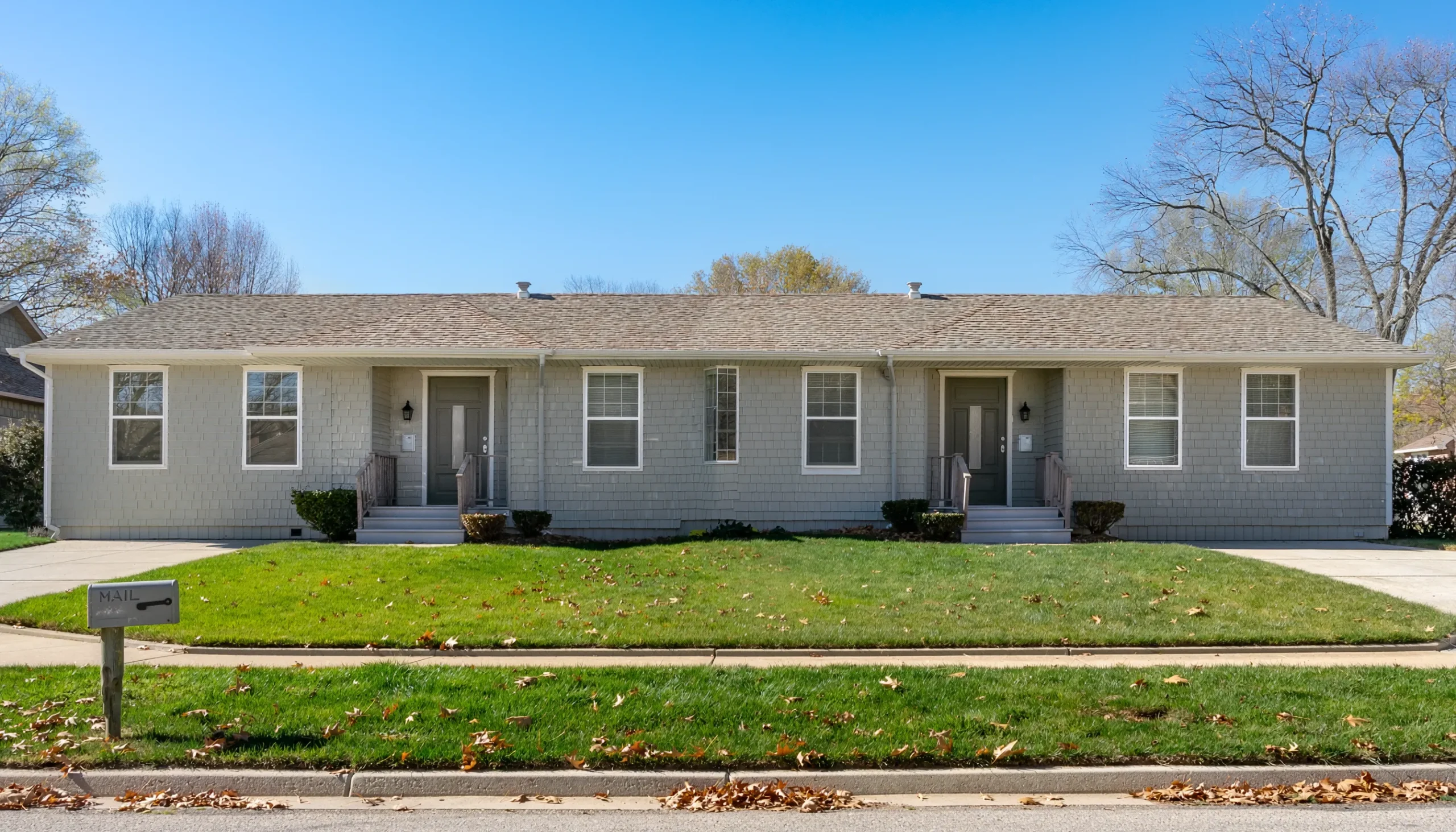
The shortage is most severe for condos and duplexes. Ladendorf says a growing number of older homeowners want to move from larger homes to one-level living. However, that type of housing barely exists in Pekin.
“I have a lot of people who want to leave their big homes and go to a duplex or a condo, and we’re very short on that,” Ladendorf says.
These buyers typically have equity from selling a previous home, but they do not want to pay top-of-market prices. Building for downsizers runs into the same cost problem stalling broader development. Developers have little room to deliver a finished condo or duplex at a price these buyers will pay. Ladendorf says she is working with developers on a potential 40-unit condo and duplex project aimed at this gap. The project is still in early discussions.
At the other end of the market, homes priced above $600,000 stay on the market longer. “We need a specific buyer for those,” Ladendorf says. Buyers in that range often compare building a custom home with buying an existing one.
Approvals Slow Projects
Even when developers are willing to try, the path from concept to construction adds risk. Ladendorf says negotiating development agreements with local governments causes significant delays. Developers must negotiate participation in tax increment financing (TIF) programs, which use future property tax gains to help fund development. They must also secure building agreements and obtain permits. Each step can stretch a project’s timeline. Meanwhile, costs may keep rising, and market conditions may shift.
“Getting all of the dynamics together to break ground and have a building agreement with the city slows things down a great deal,” Ladendorf says.
Pekin offers TIF programs to attract development, but these incentives do not automatically speed up approvals. Developers weigh thin profits and slow timelines when deciding where to invest. In smaller markets, that combination can push investment toward larger metro areas or growing suburbs. Investment can shift away even when demand in communities like Pekin is real.
Building for Less
For new homes to reach Pekin buyers, developers will need to lower the cost to deliver each one. Ladendorf says projects move forward only when builders design around what local buyers can afford.
“You need a developer who’s going to figure out how to build a great house for less money and make all the numbers work,” she says.
Large-scale developers show limited interest in Pekin. The lack of outside interest makes local knowledge of which home types and sizes will sell more important. In a small market, getting that match right can decide whether a project moves forward or stalls.
Buyers Need Speed
Scarce rentals add to the pressure. Ladendorf says rental inventory in Pekin is so limited that she will not list a home until the seller has a plan for where to live next. “I don’t want them homeless,” she says.
For buyers, the tight market demands speed and preparation. Ladendorf says buyers need a mortgage pre-approval letter before they start looking. They must also be ready to act quickly when a home is listed.
Several pressures are at work at once: rising construction costs, slow municipal approvals, and a shortage of the housing types buyers need most. As a result, supply in markets like Pekin will likely grow slowly, if at all. New homes will come only where developers and local leaders find ways to close the gap between building costs and what buyers will pay.
About the Expert: Mary Ann Ladendorf is part of the Ladendorf & Gambetti Team at RE/MAX Traders Unlimited, covering Pekin, Illinois, with 41 years in the central Illinois market.
This article is intended for informational purposes only and does not constitute legal, financial, or investment advice. The views and opinions expressed herein reflect those of the individuals quoted and do not represent an endorsement of any company, product, or service mentioned. Readers should conduct their own due diligence and consult qualified professionals before making any investment decisions.