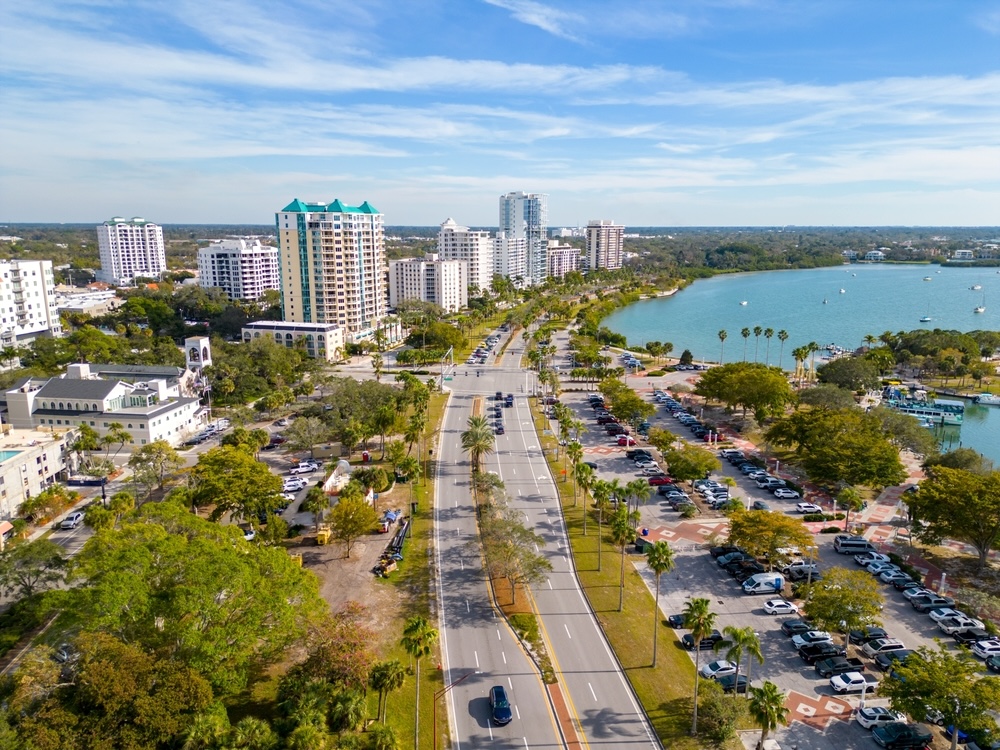
Florida’s condo market has spent the past two years generating alarming headlines: soaring insurance premiums, mandatory reserve requirements, special assessments landing in owners’ mailboxes without warning. For buyers eyeing a condo in the Sarasota area, the question is whether those headlines still reflect what is actually happening on the ground, or whether conditions have improved in ways the national coverage has not caught up to.
The answer, according to Matt Cannon, team leader of The Cannon Team, a Sarasota-based real estate group, is that the market is stabilizing, but unevenly. Buyers who do not understand the distinction between building types could still walk into a costly problem.
Where the Reserve Crisis Stands
The reserve requirement changes that generated so much concern were triggered by the 2021 Surfside collapse and apply primarily to structures around 20 years old or more that had not been setting aside adequate funds for major repairs. Those buildings have spent the past few years working toward compliance, and many are now closer to where they need to be. That transition period led to a spike in special assessments, rattling buyers and sellers alike.
Insurance: Not a Full Recovery
On the insurance side, Cannon says the Florida market has added carriers. He puts the current count at around 20 insurers operating in the state, up from the handful that remained after a wave of exits in prior years. He attributes part of that recovery to legislative changes that reduced insurers’ litigation exposure, making Florida a more viable market for writing policies. “We’re seeing more of a balancing on the insurance side versus the spikes that we’ve seen in recent years,” he says.
That improvement is meaningful, but insurance costs in Florida remain elevated compared to most other states. The newer carriers entering the market are not all offering the same depth of coverage or pricing stability as established national insurers. Buyers purchasing a condo, particularly in an older building, should still expect insurance to be a significant line item and should verify what the building’s current master policy covers before assuming their own unit insurance will be straightforward.
New Construction vs. Older Buildings
The distinction between older and newer buildings matters more in this market than it did five years ago. New-construction condos, particularly those downtown and on the barrier islands, do not carry the same reserve and assessment risk as buildings built in the 1990s or early 2000s. They are also attracting stronger buyer demand, partly because informed buyers are actively steering toward newer products to avoid uncertainty. Cannon notes that move-in-ready, newer condos in strong locations are among the fastest-moving segments of the Sarasota market right now.
For buyers considering an older building, the due diligence checklist has grown. Beyond the standard inspection, it now includes a close look at the building’s reserve study, the current reserve fund balance, any pending or recently completed assessments, and the status of the building’s structural integrity inspection, now required for older Florida buildings. A building that has completed its milestone inspection and is fully funded on reserves is in a fundamentally different position than one still working through that process. The difference can be tens of thousands of dollars in potential out-of-pocket costs.
Sarasota’s Story
Buyers who apply a statewide or national narrative to the Sarasota condo market are likely to either overestimate the risk or miss it entirely. Markets like Cape Coral faced sharper price corrections and more acute insurance stress than Sarasota, and lumping them together produces a distorted picture. “Everything’s local,” Cannon says. “Sometimes they look at other markets that are underperforming and apply that methodology here, which isn’t really the case.”
That local lens matters most when evaluating condos, specifically because the reserve and insurance variables are building-by-building rather than market-wide. A well-managed building in Sarasota with a healthy reserve fund and a recently renewed master insurance policy is a different purchase than a building of the same age that has been deferring maintenance and is still working through its compliance timeline.
One concrete data point for buyers to request before making an offer: the building’s most recent reserve study and the percentage of reserves currently funded. Industry guidance generally treats anything below 70 percent funding as a yellow flag. Many Florida condo buildings are still below that threshold. Asking for this number early in the process can reveal whether a building is likely to issue future special assessments, or whether it has already absorbed the cost of compliance.
About the Expert: Matt Cannon is the team leader of The Cannon Team, a real estate group based in Sarasota, Florida, covering markets from Manatee County south through Charlotte County, including the barrier islands and Lakewood Ranch.
This article is intended for informational purposes only and does not constitute legal, financial, or investment advice. The views and opinions expressed herein reflect those of the individuals quoted and do not represent an endorsement of any company, product, or service mentioned. Readers should conduct their own due diligence and consult qualified professionals before making any investment decisions.