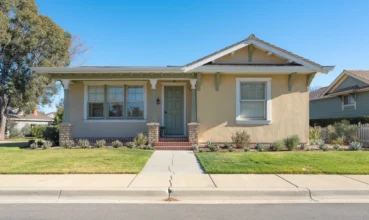
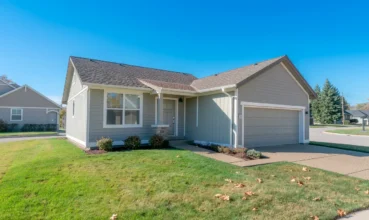
The fix-and-flip model has long attracted small investors who want a tangible, short-cycle return. But in lower Westchester County, the conditions that once made flipping viable are eroding. Rising labor costs, expensive materials, and drawn-out project timelines are compressing the margins that used to make these deals worthwhile.
Frank Palombo, a Realtor with Howard Hanna | Rand Realty in White Plains, operates on both the luxury side and the foreclosure side of the market. That dual perspective gives him a clear view of what investors are encountering, and what he sees is a flip market that no longer works the way it did a few years ago.
Palombo says fix-and-flip deals are “becoming less and less opportunistic in my market.” The problem is not a lack of properties; it is the cost and complexity of executing the renovation.
Where the Numbers Break Down
In a market where turnkey homes in the $750,000 to $1.2 million range sell in under two weeks, buyers are not interested in waiting. They want move-in ready. A flipper needs to deliver a fully renovated home that competes with properties already selling fast.
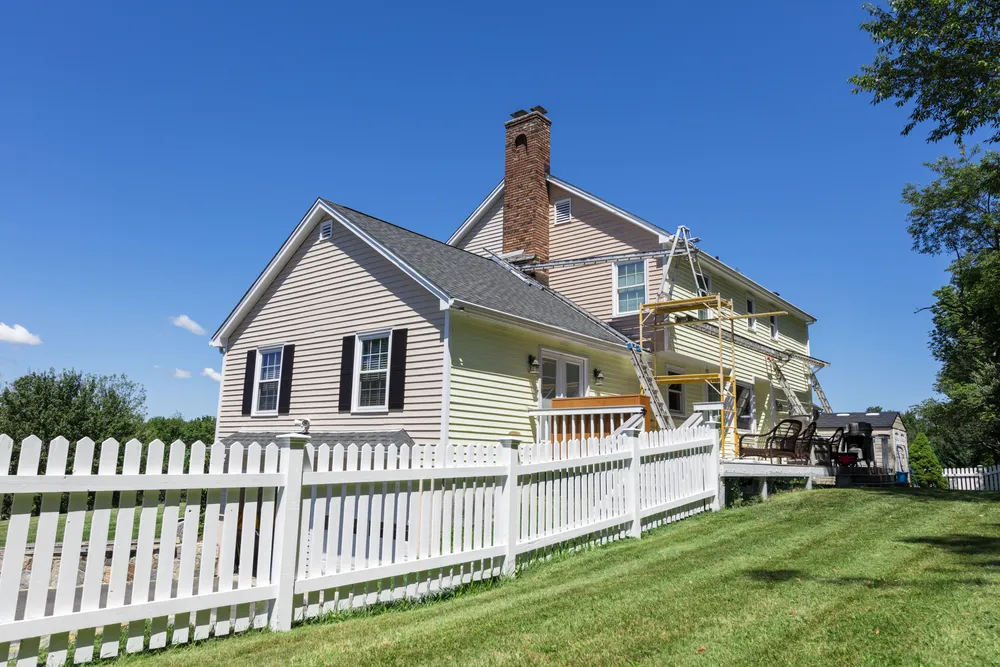
Getting there is expensive. Palombo points to labor costs, materials, staffing needs, and the time required to complete renovations as the factors squeezing flip economics. If the renovation takes longer than expected, carrying costs eat further into already-thin margins.
For a small investor, the math has shifted against them. Purchase discounts have shrunk because demand is strong. Renovation costs are higher. And the exit price, while still healthy, may not leave enough room once holding costs, transaction fees, and the renovation itself are subtracted.
Where Investor Attention is Shifting
Palombo sees capital moving toward multifamily properties instead, specifically B or C-plus buildings that can be improved and re-leased at higher rents. The appeal is passive income rather than a one-time flip profit. But he acknowledges this niche is crowded: “everyone’s money was after that.”
The other area he flags is foreclosures, which he says are ticking upward. They have not become a flood – he describes the shift as moving from roughly 3 percent of sales to perhaps 4 or 5 percent, but “they’re trickling up, and they’re multiplying and increasing quarter over quarter for maybe the last nine months or so.”
Foreclosure investing requires patience, tolerance for legal complexity, and a longer sales cycle. Most agents avoid it. Palombo notes, “there are not a lot of agents who are willing to roll up their sleeves and do the work” because the timeline is longer and the negotiations are more involved.
The Renovation Cost Problem Applies Everywhere
Foreclosure properties often need extensive renovation, which brings investors right back to the labor and material cost problem that made flipping less attractive. The difference is the acquisition price: a foreclosure bought through the courts may offer enough discount to absorb those renovation costs. But if labor timelines stretch and material costs spike, the margin can disappear on a foreclosure just as easily as on a traditional flip.
The broader market context reinforces why finished homes command such premiums. According to Palombo, homes in lower Westchester County in the million to $1.5 million range sell in as few as nine to 12 days. Sellers whose homes are not fully updated or in deliverable condition see price reductions; Palombo estimates this applies to about 10 percent of listings. Buyers in this market are paying for turnkey condition, and any property that falls short sits longer or sells for less.
What This Means for Small Investors
For small investors considering Westchester County, the ground-level picture suggests that the quick-turn renovation play has lost its edge. The market still rewards finished homes, turnkey properties sell fast and above asking, but getting from distressed to turnkey has become more expensive and more time-consuming. Palombo says the monthly absorption rate in White Plains runs about one to two months, meaning demand remains intense for the right product. Investors who can deliver that product profitably given today’s input costs still have a path forward. Those banking on the margins that existed a few years ago are likely to be disappointed.
About the Expert: Frank Palombo is a Realtor with Howard Hanna | Rand Realty, working the luxury and foreclosure segments of the White Plains, New York market. He has a background in financial services.
This article is intended for informational purposes only and does not constitute legal, financial, or investment advice. The views and opinions expressed herein reflect those of the individuals quoted and do not represent an endorsement of any company, product, or service mentioned. Readers should conduct their own due diligence and consult qualified professionals before making any investment decisions.