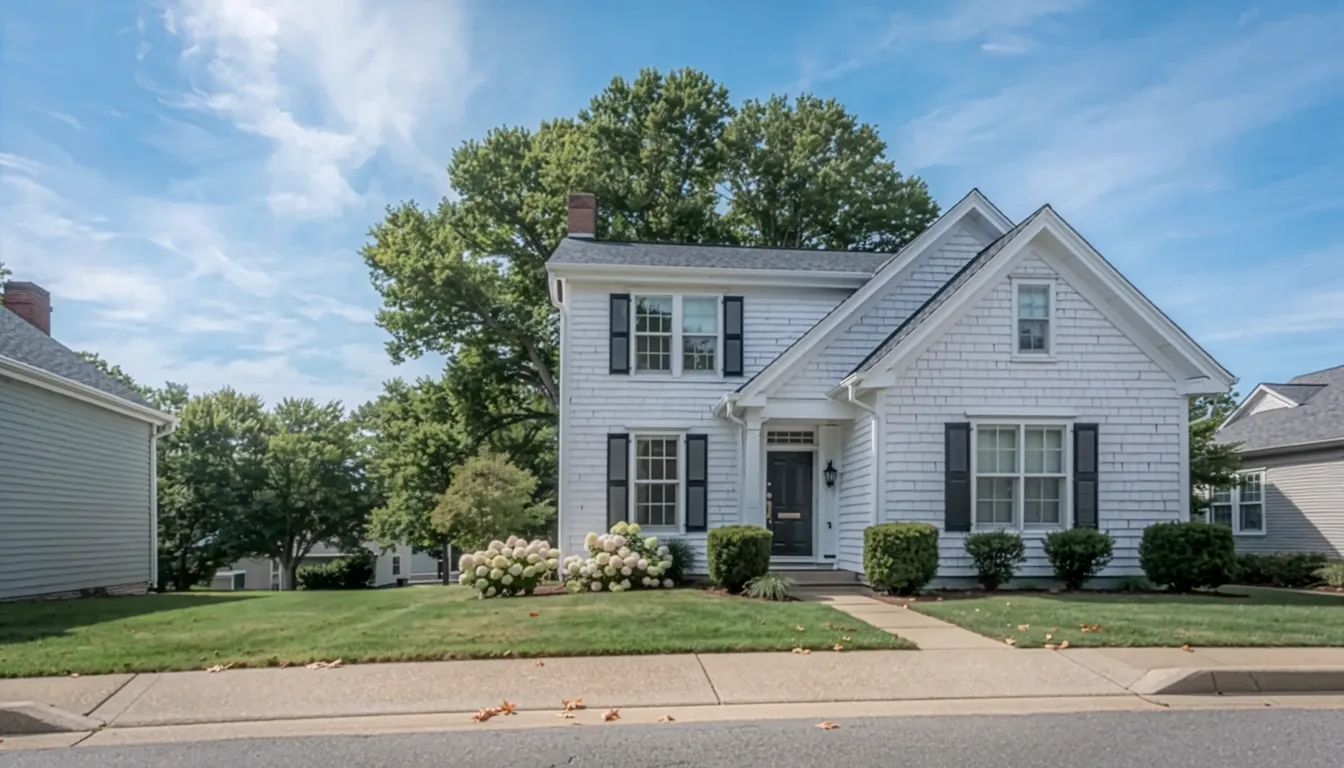
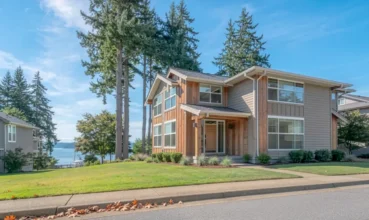
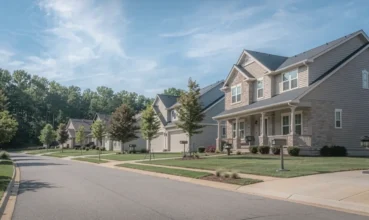
Five years ago, buyers in Darien, Connecticut, paid steep premiums for the right neighborhood. Today, with roughly 6,300 households in a town spanning 12 to 14 square miles and almost no developable land remaining, buyers compete for whatever becomes available – and previously second-tier areas are commanding prices that once belonged exclusively to the town’s most established streets.
According to Ingrid Hess, who has worked the Fairfield County market for 38 and a half years, severe inventory constraints have changed which properties attract competitive bids and which sit. “Location, location, location – up to maybe five years ago was everything,” Hess says. “Now location has not become as important. People are so desperate to move in that areas that we didn’t consider top-notch are now really gentrified.”
Darien sits along Long Island Sound, roughly an hour from Grand Central Terminal by Metro-North, with two train stations and public schools that rank among the top in Connecticut. Those attributes drive consistent demand from young families moving out of New York City – buyers Hess describes as highly qualified, typically earning six figures or more, many purchasing with cash. But the same features that attract buyers also prevent new supply from appearing. The town’s coastline creates an irregular boundary of roughly two square miles of waterfront that limits usable land further.
The result, Hess says, is a market where entry-level homes now start around $1.5 million, the median sits near $3 million, and homes above $4 million represent the upper tier. Prices have continued climbing since the initial COVID-driven surge, and Hess says she does not see them declining in the near term. Cash buyers, who are less sensitive to interest rate movements, make up a significant share of transactions, which keeps competitive pressure steady.
Condition Over Location
As location premiums compress, Hess says a different variable now determines whether a listing attracts multiple offers or lingers: condition. Renovation costs are high, contractor availability is limited, and buyers are unwilling to absorb the uncertainty of a major remodel.
“People are concerned with having to remodel and the cost of remodeling, which is a huge unknown,” Hess says. “Buyers want the properties really turnkey and ready if possible.”
Hess notes that the rare price reductions in Darien tend to appear on properties that were both overpriced at launch and in need of significant work. That combination repels even aggressive buyers. Move-in-ready homes, by contrast, generate competitive bidding almost regardless of their specific location within the town.
A Pricing Problem
The scarcity that drives prices upward has also made pricing new listings unusually difficult. Hess describes a cycle in which agents set listing prices based on comparable sales from the previous six to twelve months, but by the time a new listing hits the market, demand has already pushed values beyond those benchmarks. Buyers then bid well above asking, and those higher sale prices do not appear in the data for another two to three months – by which point the cycle has moved again.
Hess says she has begun listing properties at what she expects them to sell for rather than where historical comparables place them. The approach reduces the gap between list price and sale price, giving buyers more transparency about what a home will actually cost.
“I am beginning to list houses at prices that I think they’re going to sell to,” Hess says.
If the practice spreads, the statistical picture of Darien’s market may shift. Sale-to-list ratios – which have run above 109% and 110% of asking – would decline, potentially creating the appearance of a cooling market even as underlying demand stays constant. Hess frames this not as a slowdown but as the market finding more accurate pricing.
What Holds the Pattern in Place
Hess does not predict a near-term inventory surge. She sees prices holding and demand remaining strong, supported by cash-heavy buyer profiles and consistently limited supply. The question her observations raise is whether the compression of neighborhood premiums will outlast the scarcity that produced it. If buyers are choosing secondary locations because nothing else is available, a meaningful increase in listings could restore traditional hierarchies and leave recent buyers in those neighborhoods with assets that are harder to resell at current prices. If scarcity persists long enough, the gentrification Hess describes may become self-reinforcing – new investment and renovation in those areas could make the shift durable on its own terms.
For now, Hess says, buyers who want to enter Darien need preparation and realistic expectations about both price and competition. The market rewards readiness – in the buyer’s financing and in the property’s condition – more than it rewards patience for the right address.
About the Expert: Ingrid Hess is a founding member of the Compass Darien and New Canaan offices, covering Darien, Connecticut, and lower Fairfield County.
This article is intended for informational purposes only and does not constitute legal, financial, or investment advice. The views and opinions expressed herein reflect those of the individuals quoted and do not represent an endorsement of any company, product, or service mentioned. Readers should conduct their own due diligence and consult qualified professionals before making any investment decisions.