Most buyers moving from New York to Dallas expect to choose between two things: a neighborhood that feels like a real place to live, or reasonable proximity to the city. What they do not expect is to find both within 10 minutes of downtown. That surprise is something Rhoni Golden hears about constantly. As co-founder of Golden Hays Group at Dave Perry Miller, she has spent years working the Dallas market and guiding out-of-state buyers through a landscape that consistently defies their expectations.
The most common assumption she corrects first is the one about distance. Buyers from the Northeast tend to assume that the kind of neighborhood they want – big trees, wide lots, kids running around, neighbors who actually know each other – exists somewhere an hour outside the city. In Dallas, it does not work that way.
The Commute Math Is Different Here
In Westchester, New Jersey, or parts of Connecticut, a 90-minute train ride each way is the standard cost of getting a house with a yard. The neighborhood is lovely, the quality of life is amazing, but the commute is a daily tax on time and family.
Inside the 635 loop in Dallas, the same trade-off does not apply. Neighborhoods like Lakewood, Lower Greenville, and the Park Cities sit within 10 to 20 minutes of downtown Dallas on surface roads. No highway required. The commute is not a sacrifice you make to get to the neighborhood – both come together.
Golden puts it plainly: her clients who move from Manhattan or Westchester are used to trading commute time for quality of life. In Dallas, they do not have to.
What They Actually Find When They Arrive
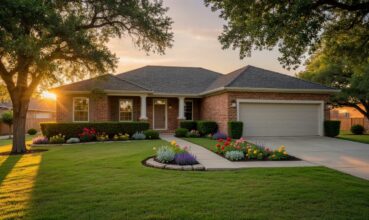
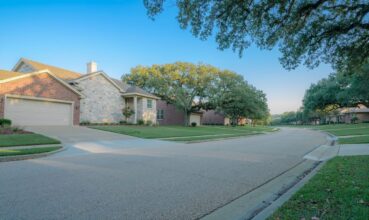
Dallas is a more cosmopolitan city than most out-of-state buyers anticipate. People from the Northeast often picture open highways and flat, sprawling suburbs. The reality inside the 635 loop is different: tree-lined streets, a mix of cultures, high-end restaurants, theaters, and walkable retail – all within a short drive of neighborhoods that feel deeply residential.
White Rock Lake adds something that surprises buyers who assume a landlocked Sun Belt city has nothing to offer in terms of natural beauty. The lake has walking and biking trails, sailboats, rowing teams, and a calm that buyers from coastal cities respond to immediately. It is 10 minutes from downtown. There is no equivalent in most major metro areas that costs what East Dallas costs.
The architecture also matters more than buyers expect. Lakewood in particular has a concentration of homes built by two prominent 1920s and 30s builders – Clifford Hutsell and Dines and Kraft – whose Spanish-style and Tudor-style homes have real character. They have been restored and renovated by owners who take pride in them. Lakewood Boulevard alone is the kind of street that changes how people think about Dallas.
The Neighborhood They End Up In Is Not Always the One They Searched For
Buyers who arrive having researched Dallas online often have a picture of what they want that shifts once they are on the ground. Some think they want rural land and open space. What they actually want, once they experience it, is room to breathe without giving up access to the things they value most. Dallas offers that inside the loop.
Others arrive convinced they want the suburbs because the schools look strong on paper. Frisco and similar communities have excellent schools and good infrastructure, but for a buyer coming from a dense coastal city, the culture shock can be significant. The lifestyle they were expecting does not materialize.
The inner loop offers something harder to quantify but easier to feel: neighborhoods that have energy, history, and a genuine sense of community – without asking buyers to give up the city they moved here for in the first place.
What the Price Per Square Foot Number Misses
Out-of-state buyers often arrive with a price-per-square-foot figure from Zillow and assume it gives them a clear picture of the market. Inside the loop, it does not. The mix of housing stock is so varied – 1920s Tudors, ranch homes from the 1950s, new construction from 2026 – that averaging across them produces a number that does not describe any single property accurately.
The right comparison is within a product type. A restored historic home prices differently from a new build in the same zip code. A home that needs full renovation prices differently from one that has been completely updated. Buyers who do not know this can misread what they are getting – and overpay or undersearch as a result.
That local knowledge, the kind that comes from working a specific market every day, is the thing that changes how buyers shop once they land in Dallas for the first time. The city rewards people who take the time to understand it.
Rhoni Golden is the co-founder of Golden Hays Group at Dave Perry Miller, a luxury residential real estate team operating in Dallas, Texas. The team specializes in Lakewood, East Dallas, Lower Greenville, Preston Hollow, and the Park Cities.
This article is based on information provided by the expert source cited above. It is intended for general informational purposes only and does not constitute legal, financial, or real estate advice. Readers should conduct their own research and consult qualified professionals before making any real estate or financial decisions.