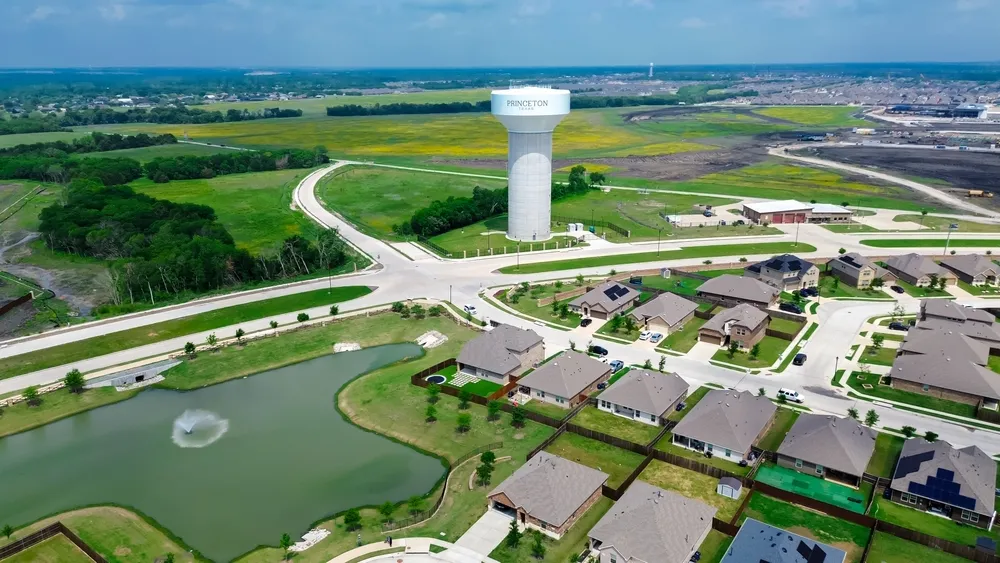
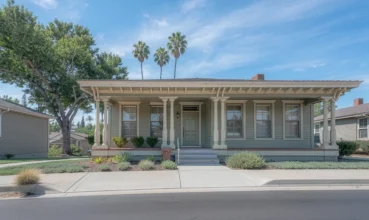
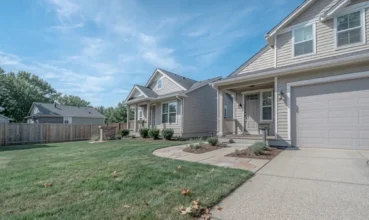
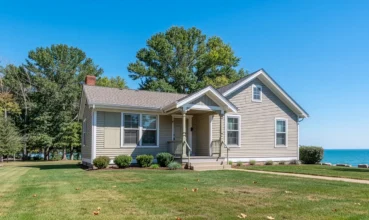
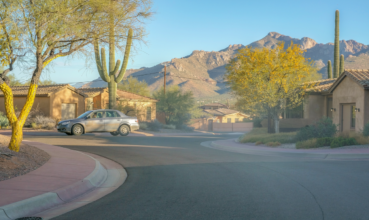
A three-bedroom, two-bathroom home with a two-car garage in California can run $800,000 or more. The same home, brand new, in Princeton, Texas, is closing this month for $325,000, and that gap is doing more to shape the Dallas-Fort Worth housing market than any single local trend, according to Nadeem Khan, a Realtor with Crown Homes Real Estate who works both residential and commercial transactions across the metroplex.
Khan says the comparison comes up constantly with his California clients, many of whom are looking to offload property there and redeploy the proceeds in North Texas. The math is not subtle: the same square footage, the same bedroom count, the same garage, at less than half the cost.
The Numbers Behind the Migration
Khan’s current pipeline illustrates how wide the price range runs once buyers cross into Texas. A new-build in Princeton is closing at roughly $325,000. A townhome in Richardson is priced in the high six hundreds. Two homes in Prosper are set to close near $1.5 million each. “Depending on which way you’re turning, you will get all the price mix from the low three hundreds to the high million and a half to maybe two and a half million and up,” Khan says.
That spread matters because it means California equity stretches across very different tiers of the market; a seller cashing out of a modest California home can land comfortably in a new-build suburb. In contrast, a seller with more substantial equity can move straight into a luxury purchase, all while paying less than they would have for a comparable property back home.
Khan’s client base draws heavily from higher-cost states: California, New York, Louisiana, Washington, Salt Lake City, and Nevada. But California remains the reference point he returns to most often when explaining the appeal of North Texas to prospective buyers and sellers alike.
Why the Comparison Still Holds
The Dallas-Fort Worth market is undergoing its own price adjustment right now; inventory in Collin County sits at roughly four months of supply, and prices there have eased down close to one percent, with other counties in the metroplex fluctuating in a similar half-point-to-one-and-a-half-point range. But Khan is clear that this is a correction from COVID-era bidding, not a reversal of the broader affordability advantage that draws buyers from higher-cost states in the first place.
“There is going to be no crash,” Khan says. “It’s only going to be a correction from the COVID pricing.” Even with that adjustment underway, the underlying gap between what a dollar buys in California and what it buys in north Texas remains, in his framing, effectively unchanged.
Cash Buyers Are Playing Another Game
Not every relocator is treating the price gap the same way. Khan says buyers coming from higher-cost markets like California, New York, and Massachusetts tend to be less focused on the rate environment or monthly payment and more focused on getting the property and finish level they want, often paying cash. Buyers with tighter budgets, including many longtime Texas residents, are far more sensitive to financing costs and constrained by what their income will support.
For the California sellers Khan works with directly, the calculation is simpler: money that bought a fraction of a home in California buys a complete, often larger home in north Texas, freeing up capital that would otherwise be locked into a single, smaller property.
Where the Value Is Concentrating
Much of the new construction absorbing this demand is clustering in the northeast corridor, Princeton, Anna, Celina, Melissa, parts of McKinney, and Sherman, stretching north toward the Oklahoma border. These are the areas where Khan sees the most active building and the price points most accessible to buyers arriving with California-sized budgets but Texas-sized expectations.
Khan’s advice to anyone making the move is to see it in person before committing. He recommends touring multiple submarkets and evaluating construction activity and demographics directly, rather than buying based on what a friend or former neighbor reported secondhand, since the price advantage varies meaningfully depending on which submarket a buyer lands in.
About the Expert: Nadeem Khan is a Realtor with Crown Homes Real Estate, serving the Dallas-Fort Worth metroplex across both residential and commercial transactions with a focus on the north Texas new construction corridor.
This article is based on information provided by the expert source cited above. It is intended for general informational purposes only and does not constitute legal, financial, or real estate advice. Readers should conduct their own research and consult qualified professionals before making any real estate or financial decisions.