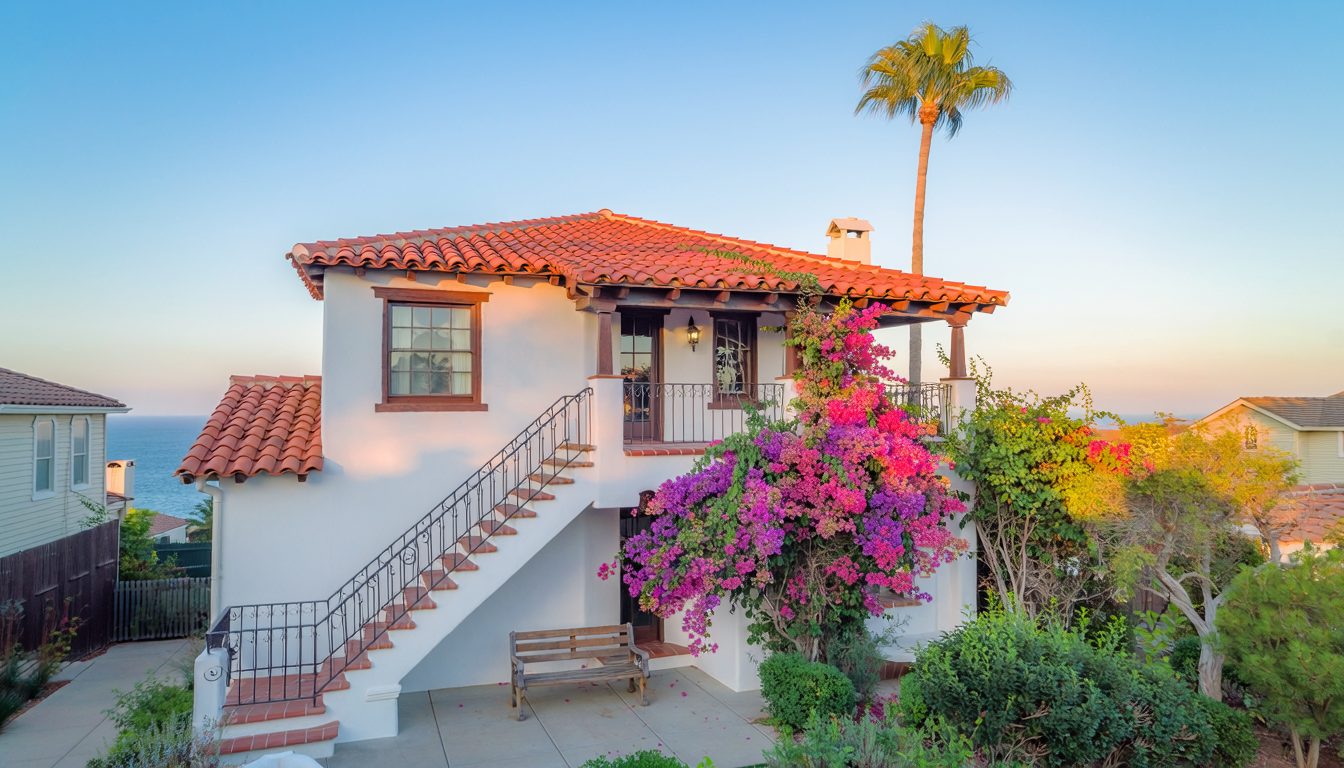
In many coastal housing markets, the homes that could ease tight inventory belong to people who bought them decades ago. Their reasons for staying go well beyond today’s mortgage rates. Taxes on long-held gains, a shortage of homes that suit later life, and the weight of a lifetime spent in one place all push in the same direction: stay put.
In San Clemente, at the southern tip of Orange County, that pattern shapes much of the market, according to Brandi Cumin, an agent with LuXre Realty who works primarily across San Clemente, Dana Point and San Juan Capistrano. A growing share of her clients are longtime owners, many of them seniors, weighing whether and when to let go of a family home. Most, she says, do not leave because they want to. “They leave because their home doesn’t function properly for them anymore.”
The Tax Bill
For owners who bought in San Clemente a generation or two ago, a sale can mean a capital gains bill far larger than they expected. The federal exclusion for a primary home covers only a small portion of the appreciation many of these properties have seen. Strategies such as converting a home to a rental and later using a 1031 exchange can delay the tax, Cumin says, but cannot eliminate it. For many sellers, that is reason enough to wait. “So many people don’t want to give that up,” she says.
California’s Proposition 19 eases one part of the burden. Owners 55 and older can carry their existing property tax base to a new home, now up to three times. If the replacement home costs more than the one they sold, the difference is taxed at current rates. But Prop 19 addresses property taxes, not capital gains, and the larger bill remains.
Proposals to expand the federal capital gains exclusion surface regularly. Cumin says a larger exclusion could bring many more homes to market, though she notes the trade-off for sellers: a wave of new listings could also soften the values they are counting on.
When the House Stops Working
The decision to sell often arrives through the house itself. A two-story layout becomes a daily risk. A roof needs replacing. A homeowners association levies a large special assessment. For seniors on fixed incomes, costs that rise faster than their income can make a paid-off home expensive to keep.
Cumin, who spent more than two decades as a firefighter before and alongside her real estate career, says that work taught her to notice the risks hiding in a familiar home, such as stairs that have become hazards. One client, unable to manage stairs because of a disability, had not been to the upper floor of her own house in months.
Even so, the move rarely comes easily. People “don’t necessarily want to leave their home,” Cumin says. “Change is a little scary for them.”
For those ready to downsize, the next step is often harder to find than the buyer for their current home. Single-level houses suited to aging in place are, in Cumin’s words, “a hot commodity,” and their prices are climbing. Senior communities are an option, but quality varies widely, and choosing one well takes time and firsthand knowledge.
A Lifetime of Belongings
Owners who have lived in one house for decades face a practical question long before listing: what to do with everything inside it. Many have not bought or sold a home in a generation, and the process has changed around them. As Cumin describes their dilemma: “What do I do with all this stuff?”
Family members add another layer. Some adult children want their parents somewhere safer and easier to manage. Others would rather their parents stay put, Cumin says, with an eye on the house they expect to inherit.
Even owners who have decided to move can take a long time to follow through. One couple Cumin worked with bought their next home, then spent eight months before they were ready to leave the one they had lived in for four decades. “They didn’t want to leave their home,” she says.
Who Buys When They Sell
When these homes do change hands, the buyers are often ready with cash. The same couple chose to sell quietly, without a public listing. After a few calls to other agents and some social media posts, they received a stack of all-cash offers from investors within days.
Investors see opportunity in older homes on valuable land, often planning to expand them substantially or rebuild. That can leave sellers torn. Some longtime owners would rather see their home go to a family than to a buyer planning to tear it down, Cumin says, but the strongest offer and the most fitting buyer are not always the same.
A second source of cash is coming from within families. With prices well beyond what many locals can reach, Cumin says, parents are now “paying cash for their children to have homes,” sometimes covering the whole purchase so that adult children who grew up in San Clemente can stay. The children may later refinance to repay their parents.
Why Inventory Stays Tight
Taken together, these pressures explain why San Clemente’s supply stays limited even as costs rise across the market, including for entry-level condos squeezed by insurance and association fees. Demand is not the problem. The obstacle is that, for many longtime owners, the reasons to stay still outweigh the reasons to sell.
About The Expert: Brandi Cumin is a real estate agent with LuXre Realty in San Clemente, California, where she works primarily in San Clemente, Dana Point, and San Juan Capistrano. Before and alongside her real estate career, she spent more than two decades as a firefighter.
This article is based on information provided by the expert source cited above. It is intended for general informational purposes only and does not constitute legal, financial, or real estate advice. Readers should conduct their own research and consult qualified professionals before making any real estate or financial decisions.