The Austin housing market spent years as one of the hottest in the country. Now sellers accustomed to fielding dozens of offers are adjusting to a market where buyers have leverage and new construction is setting the terms. According to Laura Ivy Blessing, who leads the Blessed Life Group in Austin and has more than 20 years in the industry, the median asking price across the Austin metro has fallen roughly 10% over the past year, from about $499,000 to $450,000. The decline has been especially painful for owners of older homes competing against builders who can offer rate buydowns and modern finishes out of the box. For resale sellers unwilling or unable to invest in upgrades before listing, the result is often an offer well below expectations, or no offer at all.
“If your home is not updated or you haven’t upgraded some things and you put it on the market, you are most likely not going to get the offer you think you’re going to get,” Blessing says. “You’re going to get an investor-level offer, even from someone who wants to move in.”
New Builds Are Setting the Standard
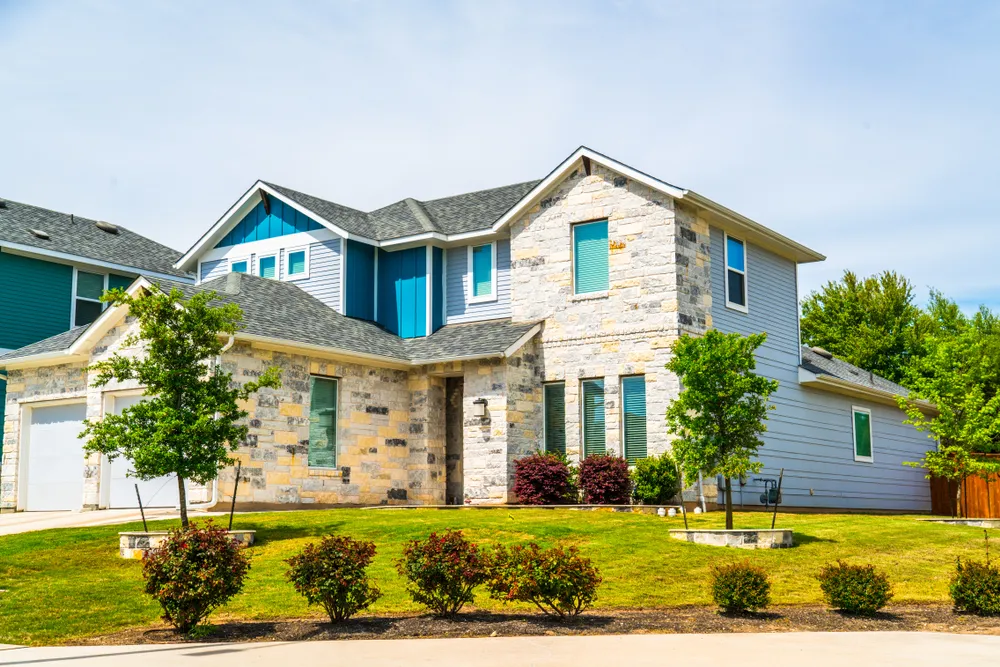
The competition resale sellers face is specific and measurable. Austin’s suburbs have ample developable land, and builders have used it aggressively, offering homes with rate buydowns, closing-cost help, and upgraded finishes and full upgrades included. That combination is difficult for a 15-year-old home with original fixtures to match.
During the pandemic period, Austin’s resale market didn’t need to compete on condition. Demand was so intense that homes in almost any state attracted multiple offers. That era is over. “For a long time, it could be almost falling over, and you get multiple offers here,” Blessing says. “Now you really do have to put in the work.”
The practical implication for sellers: equity is not just a number on a balance sheet; it is a renovation budget. Blessing helps sellers decide whether putting some of their equity into a few high-impact updates will pay off, or whether selling as-is makes more sense.
Which Upgrades Actually Matter
The question of what to upgrade is neighborhood-specific. Blessing’s team uses AI tools to analyze visual data from recent sales – identifying which light fixtures, color palettes, bathroom finishes, and kitchen upgrades are drawing the strongest buyer response in a given area. The team then presents sellers with a tiered set of options: a minimal refresh, a moderate upgrade, or a full renovation, each with an estimated price range it might support.
At minimum, Blessing recommends addressing anything a buyer would notice in the first 90 seconds: landscaping, the front door, and the immediate interior impression. Buyers decide within that window whether they want the home, she says. Her team also brings in a stager for each listing to advise on presentation even when no major renovation is planned.
The approach acknowledges a reality many sellers resist: in a market with abundant new inventory, buyers expect homes to look close to new regardless of age. “The buyers want a new home even though it’s an older home,” Blessing says. “And that’s how you have to present it. And if you don’t want to present it that way, then you need to get ready for a lower offer.”
Timing Has Become a Competitive Variable
Beyond condition, listing timing now matters more than it did when demand overwhelmed supply. Blessing describes conversations already underway with clients preparing for February listings, analyzing neighborhood-level competition to identify windows when inventory is lowest, and a well-prepared home can stand out.
The market’s hyperlocal nature makes broad timing advice unreliable. Blessing recounts a client’s confusion over two homes on the same street that performed completely differently. “People are just confused because it is difficult to predict exactly how the market’s going to respond to your home,” she says.
She sold her own home in February using a flex coming-soon listing strategy in a country club neighborhood, drawing multiple offers without going to the public market, a result she attributes to understanding the specific demand dynamics in that pocket.
Off-Market Options
Not every seller can or wants to invest in upgrades. For those clients, Blessing has turned to her network of cash investors as an alternative to listing on the open market. She recently closed a deal for a seller who didn’t want to update their home by bringing four investor offers directly, allowing the seller to choose without the exposure and time cost of a public listing.
“There’s not one way to sell in this market, and they need to know all of them so they can make the best decision,” she says.
A Market Waiting for Buyers to Stop Waiting
Austin’s buyer pool is a mix of relocations, downsizers, move-up buyers, and some first-time purchasers, many of whom have been waiting for rate relief that hasn’t materialized as expected. Blessing says prices climbed so fast during the pandemic, with some properties drawing 50 to 90 offers, that when rates hit 8%, the correction felt like a crash even though she describes it as a stabilization. That sustained period of adjustment has created pent-up demand on both sides. Sellers with 2% to 3% interest rates are reluctant to move; buyers keep hoping for better terms.
Blessing expects that dynamic to break on the buyer side first. Rather than continuing to wait for rates to fall, she says buyers will increasingly look for credits, buydowns, or other tools to make purchases work at current rates. “I think people are going to stop waiting for them to come down and start figuring out how to get money or credits to get a rate where they can afford what they want now,” she says.
For resale sellers, that means the window to prepare is now. The buyers who do move forward will arrive with higher expectations and more alternatives than at any point in the past several years. Sellers who meet those expectations with updated homes, careful timing, and realistic pricing will close deals. Those who list unprepared will face investor-level offers or extended time on the market while new construction down the road continues to sell.
About the Expert: Laura Ivy Blessing is a Broker Associate with Keller Williams Realty and the founder of Blessed Life Group in Austin, Texas, with more than 20 years in the industry.
This article is based on information provided by the expert source cited above. It is intended for general informational purposes only and does not constitute legal, financial, or real estate advice. Readers should conduct their own research and consult qualified professionals before making any real estate or financial decisions.