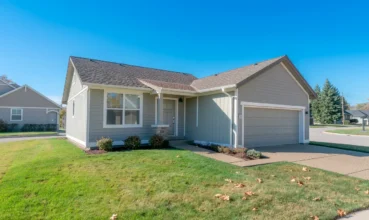
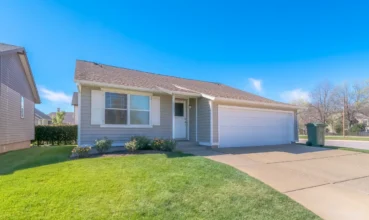
Atlantic City’s residential real estate market is changing, moving beyond its casino image to offer new opportunities for middle-class buyers. Eric Millstein, Real Estate Associate at Soleil Sotheby’s International Realty, points to a surge of new construction projects that make waterfront and bayfront living possible at price points previously out of reach for most buyers. This shift is expanding the pool of people who can realistically own premium real estate in the area.
Unlike neighboring shore towns, Atlantic City’s land costs are still relatively low. This allows developers to build new homes, often with direct water access, at prices that bring waterfront ownership within reach for buyers priced out elsewhere. Millstein is currently involved in four new construction projects, including a bayfront development in the Chelsea area that highlights this pricing gap.
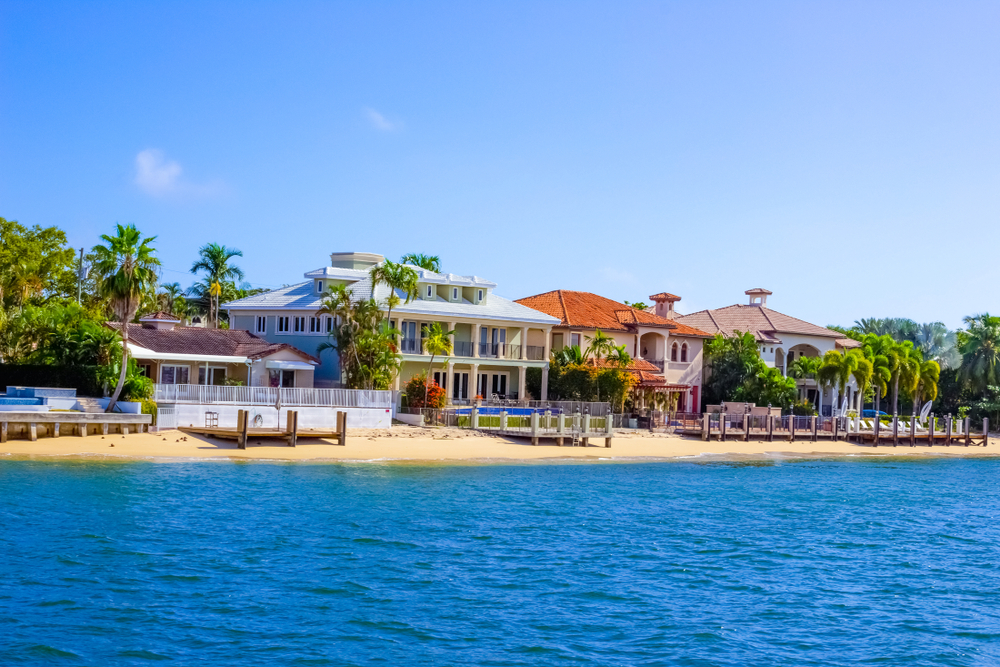
One project in Chelsea features six new bayfront units, each with a new bulkhead, a 50-foot dock with four deep-water boat slips, three bedrooms, two baths, and two garage parking spaces. Millstein notes, “These are in the low $600,000s. If you can find that anywhere else on the eastern seaboard, let me know.”
This pricing stands in stark contrast to traditional waterfront markets, where similar properties typically demand $3 to $4 million. In Atlantic City, buyers can secure new construction with boat access for a fraction of that cost.
Who Can Now Buy Waterfront
Lower price points are opening the market to groups historically excluded from waterfront ownership. One major beneficiary is young families, especially those purchasing duplexes where they can live in one unit and rent out the other to offset mortgage payments.
Millstein explains that this arrangement makes homeownership feasible for people who might otherwise continue renting. Rental income from the second unit helps cover the mortgage, allowing buyers without significant savings to purchase a home in a desirable location.
Investors are also entering the market at these new price levels. Properties that generate income through long-term or short-term rentals, such as Airbnb, now make financial sense for investors without access to seven-figure capital. This has broadened the pool of people able to invest in real estate.
“We’ve created affordable housing across the board in Atlantic City where it wasn’t affordable before,” Millstein says. “The investor couldn’t get in the game, the Airbnb owner couldn’t get in the game, the renter couldn’t get in the game, the resident couldn’t get in the game, the summer home owner couldn’t get in the game. Now they can, and it’s really exciting.”
Waterfront Living Becomes Affordable
Waterfront access in Atlantic City is no longer reserved for the ultra-wealthy. Historically, bayfront properties with boat slips required multi-million dollar investments, excluding most potential buyers. The current combination of lower land costs, efficient new construction, and modern amenities has created a value proposition unmatched in established shore communities.
For buyers who want a secondary home or a place for their boat but cannot spend $3.4 million, new price points around $625,000 make ownership possible. The difference is significant enough to attract middle-class professionals, dual-income households, and investors with moderate savings. At these prices, waterfront living is no longer an unattainable luxury.
New Construction Drives Real Growth
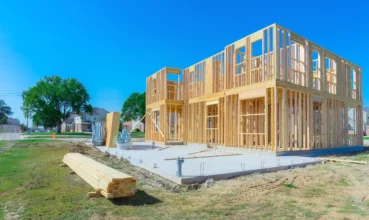
Millstein emphasizes that these projects are driving real economic development in Atlantic City, not speculative investment. The new construction is adding housing that serves multiple needs: primary residences, second homes, income properties, and lifestyle upgrades.
The duplex model offers a particularly sustainable approach. Owner-occupants can rent out a second unit, making homeownership more affordable while increasing the supply of rental housing. For short-term rental operators, the lower entry price means they can participate in the vacation rental market without the high capital requirements of other shore towns.
Which Neighborhoods Are Growing
New construction is concentrated in several Atlantic City neighborhoods, including Bungalow Park, Venice Park, Lower Chelsea, Chelsea Heights, and Ducktown. Millstein points out that these areas have seen steady appreciation over the past decade, suggesting that current activity builds on existing growth rather than speculative hopes.
“All you have to do is look at the appreciation over the last 10 years to see that these neighborhoods are thriving,” he says.
Early buyers have already benefited from rising values, and current projects are reinforcing that foundation. For potential buyers, historical appreciation adds confidence that these neighborhoods are on a sustainable path.
Impact Beyond Atlantic City
The changes in Atlantic City’s market extend beyond the city itself. By introducing a new tier of waterfront access at lower price points, these developments are increasing the number of buyers who can afford shore real estate overall.
Buyers priced out of Margate, Longport, or Ventnor now have a viable alternative offering similar lifestyle benefits at much lower cost. This creates competition for established communities and gives buyers more choices across a wider price range. Over time, the expanded access could also lead to a more diverse mix of owners throughout the region, as younger buyers, first-time investors, and middle-class families find a realistic entry point.
One Agent’s Mission
For Millstein, making waterfront properties accessible to more people is both a professional goal and a personal satisfaction. He sees his work as part of a broader effort to use real estate for wealth building and lifestyle improvement.
“It’s exciting when people want a secondary home, or they want a place to put their boat, and they can’t afford $3.4 million to park their boat. Now we’re offering it at six and a quarter,” Millstein says. “It just feels good. It’s a good product.”
What Buyers Can Expect Next
New construction at accessible price points is changing the real estate landscape in Atlantic City. By lowering the barriers to waterfront ownership, the city is attracting new residents, investors, and vacationers who might never have considered it before.
For buyers, the current environment offers opportunities that are rare on the East Coast: new waterfront homes at prices that allow more people to enjoy a lifestyle once reserved for a select few. For the city’s neighborhoods, the influx of new owners and investment points to a more stable and inclusive future.