Buying a single-family rental in a fast-growing Sun Belt city usually starts with job growth, population trends, and neighborhood quality. What many investors skip entirely is the one factor that can erase all of those advantages: how many new apartments are being built nearby.
The argument sounds counterintuitive. You are buying a house, not a 300-unit apartment complex. Why would apartment construction matter? Neal Bawa, CEO & Founder of Grocapitus Investments, a multifamily investment firm managing more than $700 million in assets across the U.S., says single-family rental buyers consistently miss this connection, and it is costing them.
The Rental Pyramid
Bawa describes the U.S. rental market as a four-tier pyramid. Single-family rentals sit at the top. Immediately below them is Class A multifamily, brand-new apartment buildings with modern amenities and rents that compete directly with houses. Below that sit Class B buildings (roughly 30 years old or newer), followed by Class C (older or in less desirable locations).
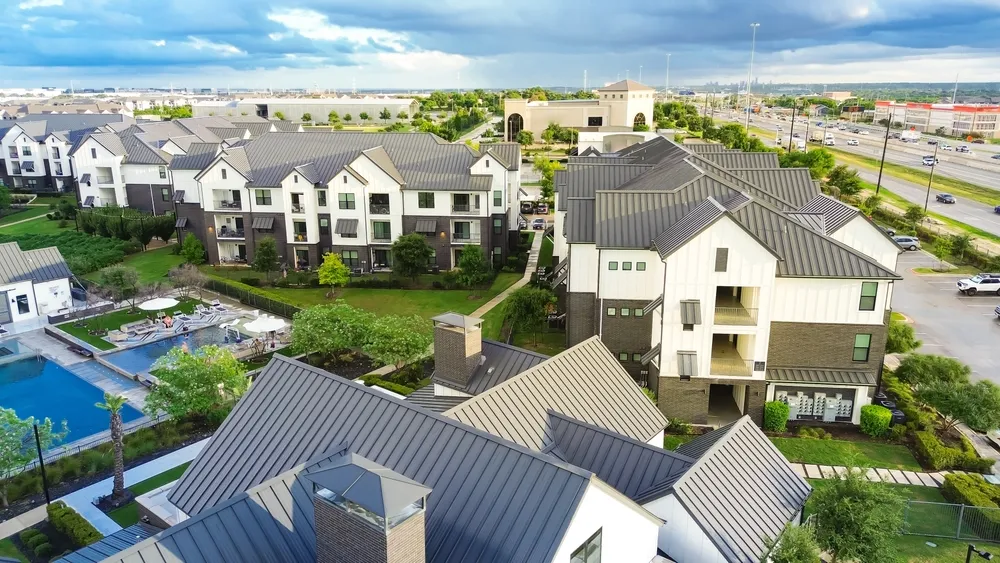
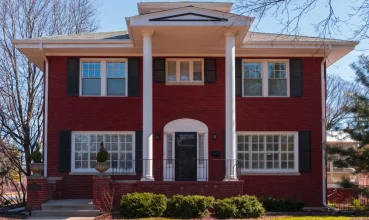
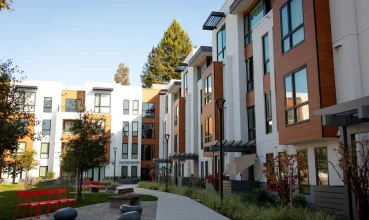
When a renter is choosing between a three-bedroom house at one price and a brand-new apartment with a pool, gym, and concierge for less, the apartment wins more often than landlords expect. Every new luxury apartment building that opens in a market pulls potential tenants away from rental houses, or forces landlords to drop rent to compete.
Single-family rentals do not exist in a separate market. They draw from the same pool of renters making trade-off decisions every month.
Population Growth is Misleading
Bawa says when he asks single-family investors about the supply situation in their target market, “I always get a blank stare.” The assumption is that strong population growth automatically means strong rent growth. It does not.
According to Bawa, “there are many, many, many places in the United States where population growth is increasing, and rent growth is negative.” The mechanism is straightforward: if builders are adding units faster than new residents are arriving, rents stall or fall regardless of how many people are moving in. He points to markets like Austin and Phoenix, where population and job growth remain strong, but rents have turned negative because of the volume of new apartments that came online over the past two years.
The asymmetry between single-family and multifamily construction makes this worse. When new single-family homes are built, most are purchased by owner-occupants who will live in them. Only a small fraction enters the rental pool. But as Bawa puts it, “all 100% of incoming multifamily supply is for rental, and that’s why it affects the rent prices more.” Every new apartment unit competes for the same tenants your house competes for.
What This Looks Like
Both cities have excellent long-term fundamentals, strong job creation, rising incomes, and growing populations. Both are also cities where rents are currently falling and may continue falling through 2026 and into 2027, according to Bawa, because the wave of new multifamily supply that began leasing over the past two years has not yet been absorbed.
For a single-family rental buyer, this creates a trap. The headline numbers, job growth, population growth, income growth, all look strong. You buy a rental home expecting robust demand. Then you discover that brand-new apartment buildings nearby are offering move-in specials, and your achievable rent is lower than your projections assumed.
As Bawa puts it, “no matter how robust that market is, how great job growth and income growth is, rents are going to be flat or negative” when supply is running ahead of absorption.
Checking Before Buying
Multifamily supply data is not hidden. Multiple data providers track permit filings, construction starts, and projected deliveries and are often available through local planning departments. Bawa says he would love to invest in Phoenix and Austin once the supply glut clears, but timing matters, and the supply cycle is the factor most rental investors never bother to check.
The risk is particularly acute right now. Many Sun Belt markets approved enormous volumes of new apartment construction during 2020 through 2022, and those projects are still delivering units into an already-saturated rental market. For a buyer entering one of those markets today with a single-family rental, the competition is not the house down the street. It is the apartment complex that just opened with two months of free rent.
Bawa describes neither Austin nor Phoenix as among his top hundred markets today because of where they sit in the supply cycle, but he expects that to change once the current glut is absorbed and rent growth turns positive again. The distinction between a market’s long-term quality and its current phase is the gap where most single-family rental investors lose money.
About the Expert: Neal Bawa is CEO and Founder of Grocapitus Investments, a multifamily real estate investment firm focused on acquisitions and build-to-rent projects across U.S. markets.
This article is intended for informational purposes only and does not constitute legal, financial, or investment advice. The views and opinions expressed herein reflect those of the individuals quoted and do not represent an endorsement of any company, product, or service mentioned. Readers should conduct their own due diligence and consult qualified professionals before making any investment decisions.