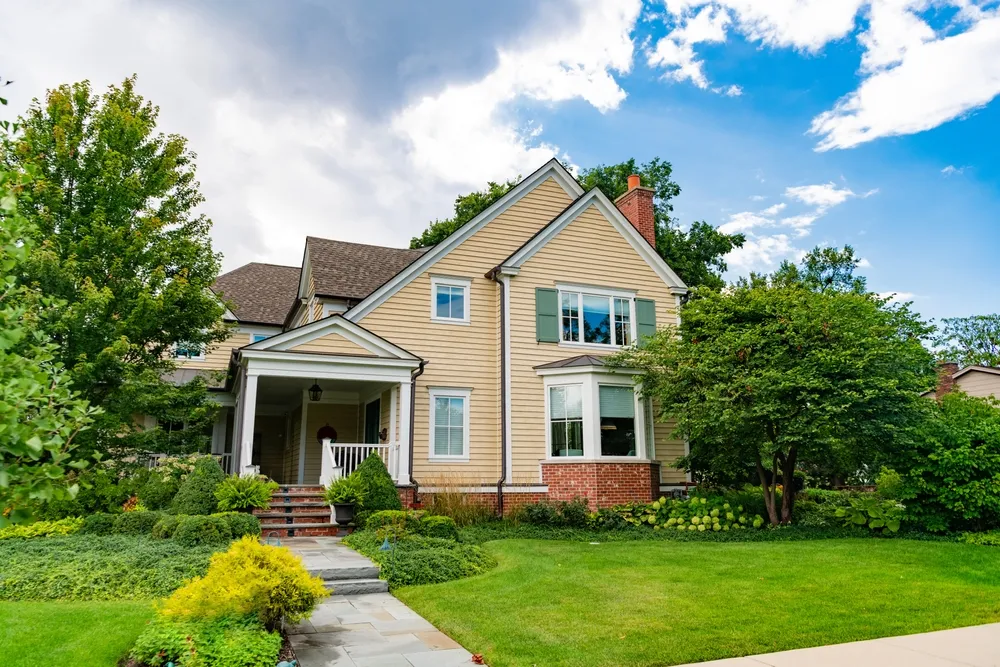
The towns wedged between Newark and Jersey City – Kearny, North Arlington, Harrison, Belleville, don’t generate the same national attention as their larger neighbors. But for buyers priced out of New York City and looking for a short commute via PATH train, bus, or turnpike, this cluster of communities has become a landing zone. The result is a residential sales market where quality listings still draw multiple offers and sell above asking, while the rental market is telling a different story.
Augie Neno, Owner/Broker at the Neno-Rosa Agency in Kearny, has watched both sides of this divergence through the first eight months of 2026. The family-owned brokerage, celebrating its 50th year, operates across five independently owned offices in the area and focuses almost entirely on one-to-four-family residential properties. That positioning gives the firm a direct view of both the owner-occupant and investor sides of the market.
Listings That Move Fast and Sell Above Asking
A deal the agency closed days before the interview illustrates the current dynamic. A four-bedroom, two-bath single-family home in North Arlington, built in the 1980s, remodeled roughly ten to fifteen years ago, with an in-ground pool and views of New York City, listed at $769,000 and sold for $825,000 after receiving multiple offers. It went under contract within a week.
That outcome is consistent with a broader pattern, according to Neno. “There’s not a lot of quality inventory that’s for sale,” he says. “And when it does arrive on the market, we see almost like a rush of buyers that want to come and see that particular property.”
Since January, according to the brokerage’s data, the average days on market for a single-family home in the area has been about 45 days; for multifamily properties, about 42 days. Both property types are moving within roughly a month and a half of listing.
Inspections Are Now Where Deals Fall Apart
The shift from the frenzied market of a few years ago is visible not in pricing but in process. Buyers are no longer waiving home inspections or appraisals the way they were. “That time in the market has kind of passed right now,” Neno says.
The return of inspections has made them the primary source of deal failure. When contracts collapse, it is usually during the inspection phase, a gap between what the buyer is being asked to absorb in repair costs and what the seller is willing to concede. First-time buyers are especially exposed. “For the most part, they’re not sitting on a lot of money to buy the house and then do additional repairs,” Neno says. When the repair list is long, and the seller won’t offer a credit, the buyer walks.
Sellers who are serious about closing, though, are working with their agents and attorneys to find middle ground, credits or partial repairs that keep the transaction moving. For buyers, particularly first-time buyers operating with limited cash reserves, the inspection phase is now the highest-risk point in the transaction. Understanding what repairs are negotiable and what credits are realistic before making an offer can prevent a costly collapse.
Rental Softness Beneath a Strong Sales Surface
The rental side of the market presents a different picture. Apartments are sitting on the market longer than a year ago, and landlords are reducing rents and adding amenities, parking, laundry facilities, and storage that they weren’t offering before. “We’re definitely seeing a lot more for-rent signs than we did a year ago,” Neno says.
For investors evaluating where to deploy capital, this softening matters. Neno still considers the rental market healthy overall, noting that both new construction and older buildings dating to the early 1900s remain largely filled. But a few more vacancies and a few more concessions mean tighter returns on properties purchased at today’s sales prices. An investor paying $825,000 for a multifamily in a market where landlords are cutting rents and sweetening lease terms faces a different income picture than the same buyer would have faced a year ago.
First-Time Buyers and the Programs Supporting Them
New Jersey still offers a first-time home buyer grant of almost $22,000 for those who qualify across the program’s various categories, and low-rate mortgage programs remain available. These incentives help offset the area’s affordability pressure, particularly for buyers making the transition from renting after a life event; a child or a growing family pushes them toward ownership.
Neno draws a sharp line between browsers and committed buyers. “The people who make the decision that they want to buy a home are not thinking about whether it’s a good time or not to buy,” he says. “Once they make that decision, they’re all in.” When buyers reach his office or get on the phone, they are past the browsing stage; they are looking at homes and making offers.
Buyers in the area weigh taxes, insurance costs, school quality, and access to transportation when choosing among nearby towns. These practical factors, rather than neighborhood prestige, drive where people ultimately buy.
What to Watch
Looking ahead, Neno identifies unemployment as the metric that matters most. “As long as we keep an eye on the unemployment figure and make sure it doesn’t tick upwards, I think the real estate market is going to maintain, still going to do well,” he says. He expects continued price appreciation, though perhaps not at the year-over-year pace of recent years.
The supply-demand imbalance remains the defining feature of the sales market. “We definitely have more buyers looking than sellers that are looking to sell,” Neno says. Many longtime homeowners in the area have substantial equity or have paid off their homes entirely, but they remain on the sidelines, testing values, having preliminary conversations, but not yet listing. Until that changes, buyers competing for a small pool of quality inventory will continue to push prices above asking.
The divergence between a tight sales market and a loosening rental market is the signal investors should track most closely. Sales prices reflect sustained demand and constrained supply. Rental returns reflect rising vacancies and growing landlord concessions. How long those two trends can move in opposite directions before one corrects toward the other will shape investment decisions across the area for the next year.
About the Expert: Augie Neno is Owner/Broker at the Neno-Rosa Agency in Kearny, New Jersey, a family-owned brokerage operating across five offices in the towns between Newark and Jersey City.
This article is based on information provided by the expert source cited above. It is intended for general informational purposes only and does not constitute legal, financial, or real estate advice. Readers should conduct their own research and consult qualified professionals before making any real estate or financial decisions.
Most real estate investors think of RV parks as campground-adjacent assets with modest per-site economics. But a small segment of the market, deeded motor coach resort lots catering exclusiv...
After several years of volatility marked by rapid cap rate increases and declining buyer activity, the net-lease investment market is showing clear signs of stabilization. Industry professio...
The suburbs south of Philadelphia have quietly become one of the more resilient residential markets on the East Coast. While national headlines tend to paint New Jersey real estate with a br...
The listing has everything: the views, the finishes, the acreage. What it doesn’t have is a buyer, and it hasn’t had one for eighteen months. For a growing number of luxury prope...
New York City’s real estate market has long operated by its own rules, and 2026 is no exception. With inventory constrained, demand holding firm in key neighborhoods, and a wave of pol...
Dawn Houlf, owner and managing broker of EXIT Realty Number One in Las Vegas, has been ahead of the curve since purchasing her first property at age 18. Now, with nearly four decades of real...