
Developers are increasingly betting that buyers will pay coastal prices for water they can’t get to the coast for. Engineered lagoons and machine-made surf breaks have moved from novel...

In Dallas-Fort Worth, a Buyer's Market Is Reshaping How Investors Time Their Entry

Written by:
Date:
27 Aug 2026
Share via Facebook

Share via Linkedin

Share via X

Copy to clipboard

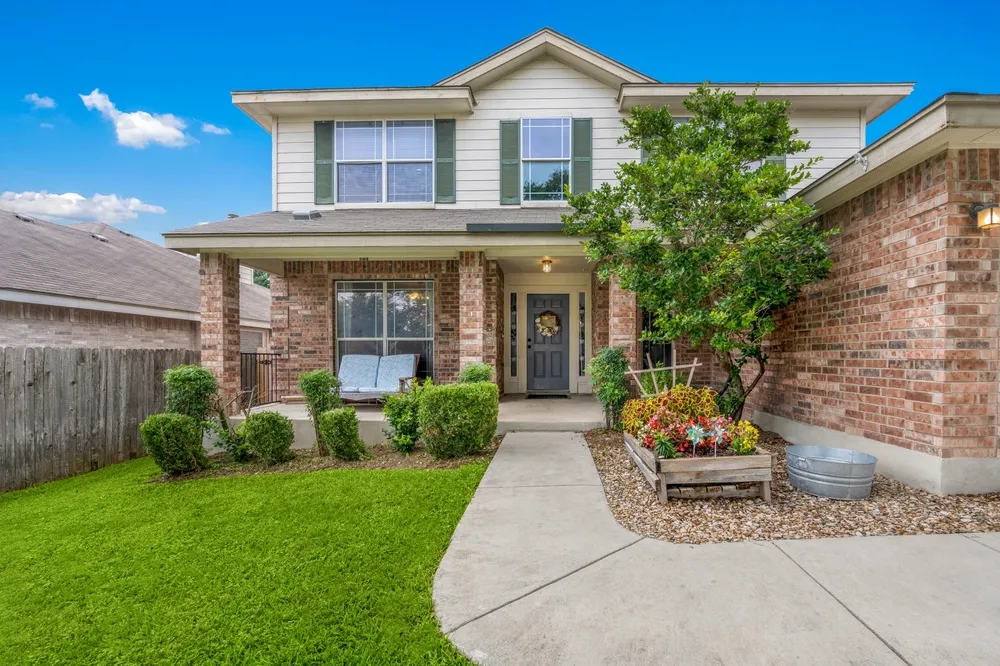
The Dallas-Fort Worth metroplex added over a million residents in the last decade, more than any other metro area in the United States, according to Yaron Yashar, a Realtor with Fathom Realty who leads the Dallas Homes Group. But population growth alone has not insulated the housing market from inventory buildup. In August 2026, DFW is functioning as a buyer’s market, with supply outpacing demand and homes sitting longer unless they are priced below market value or offer standout features. For investors watching from out of state, that dynamic is creating a specific kind of opportunity, and a specific kind of risk.
Where Negotiating Power Sits Right Now
Yaron, who has worked the north DFW corridor for ten years, describes a market split between frustrated sellers and empowered buyers. Sellers must price below market value to move properties quickly, unless the home offers something distinctive, a renovated interior, an exceptional backyard, or a location zoned for top-rated schools. “If you are a seller, you have to price it below the market value if you want to sell quickly, or the property needs to be very special,” he says.
For buyers, the leverage is measurable. A recent transaction illustrates the spread between list price and close price: a 2,500-square-foot home with a pool in Allen, Texas, listed at approximately $475,000, went under contract at $450,000, and ultimately closed at $430,000 after inspection negotiations. The buyer, an Austin-based investor referred through word of mouth, turned the property into a rental listed at $3,700 per month, leased within seven days.
That deal reflects a pattern Yaron sees across his investor clients: the best returns come from buying turnkey properties at negotiated discounts, then renting them at a premium enabled by move-in-ready condition, updated kitchens and bathrooms, and features like pools and high ceilings.
The Suburban Reversal
One trend Yaron is watching closely is a geographic shift in demand that runs counter to the pandemic-era pattern. During COVID, buyers moved outward, seeking land, space, and extra bedrooms in far-flung suburbs. That movement is now reversing.
“Cities like Anna and Melissa and Princeton and Celina, I see that homes are sitting on the market and there’s just not enough buyers because fewer people want to live far away,” he says. Demand is gravitating back toward locations closer to major highways, employment centers, and amenities, places like Plano, North Dallas, and Frisco.
For investors, the outer-ring suburbs that saw rapid price appreciation during 2020–2022 are now among the softer segments of the market. Properties zoned for top-rated schools or within walking distance of community anchors, synagogues, churches, and entertainment still move faster than the broader market. The distinction matters for capital deployment: buying in a declining outer suburb at what looks like a discount may mean holding a property that continues to lose demand, while paying more for a well-located asset closer to the urban core may produce higher rental income and faster appreciation.
What Kills Deals
When transactions fall apart in DFW, the most common cause is inspection findings. But the friction does not stop at the report itself – it extends to the negotiation that follows. Buyers are requesting concessions and repairs; some sellers refuse, particularly when the initial contract price was already negotiated well below list.
Yaron says the outcome depends on how much the buyer already negotiated off the list price before inspections, and whether the seller carries a mortgage balance. Sellers with mortgage payoffs have less room to absorb additional concessions, which creates a structural limit on how far post-inspection negotiations can go. Buyers who negotiate aggressively on the front end may find less flexibility on the back end when inspection issues surface.
Investor Advice in a 7% Rate Environment
Interest rates near 7%, combined with high property taxes and insurance costs, remain the primary headwinds for leveraged buyers. Yaron recommends negotiating aggressively on price, asking sellers for concessions that fund temporary rate buydowns, and planning to refinance when rates decline. A buydown, he explains, uses seller-paid concessions to reduce the buyer’s interest rate for the first year or two of the loan, not permanently, but enough to lower carrying costs in the near term.
His warning to investors is equally direct: avoid paying prices that reflect what real estate was worth three years ago. “What to avoid is to pay the inflated prices of what real estate was worth three years ago,” he says. The opportunity lies in buying below market through negotiation while maximizing rental income through property condition and desirable features.
Most tenants, in his experience, are choosing to stay put rather than buy. “People prefer to wait until the rates go down or prices go down,” he says, a dynamic that sustains rental demand even as the sales market softens.
Seller Preparation as a Competitive Requirement
For sellers trying to move properties in a market with surplus inventory, Yaron’s advice centers on cost-effective upgrades that meet current buyer expectations. Painting dated brown cabinets white, replacing doorknobs and appliances, refreshing landscaping and curb appeal, updating light fixtures and flooring, none individually expensive, but collectively the difference between a property that sells and one that lingers.
The underlying logic applies to investor-owners preparing to sell as well: in a market where buyers have options, condition and presentation determine whether a listing attracts offers in weeks or sits for months.
About the Expert: Yaron Yashar is a Realtor with Fathom Realty, leading the Dallas Homes Group, covering the north Dallas-Fort Worth corridor for ten years.
This article is based on information provided by the expert source cited above. It is intended for general informational purposes only and does not constitute legal, financial, or real estate advice. Readers should conduct their own research and consult qualified professionals before making any real estate or financial decisions.
Similar Articles
Explore similar articles from Our Team of Experts.