
When national headlines describe a housing market under pressure from elevated interest rates and cautious buyers, Pittsburgh quietly continues doing what it has always done: holding steady....

In San Antonio, Sellers Are Making Concessions They Would Have Refused Two Years Ago

Written by:
Date:
20 Aug 2026
Share via Facebook

Share via Linkedin

Share via X

Copy to clipboard

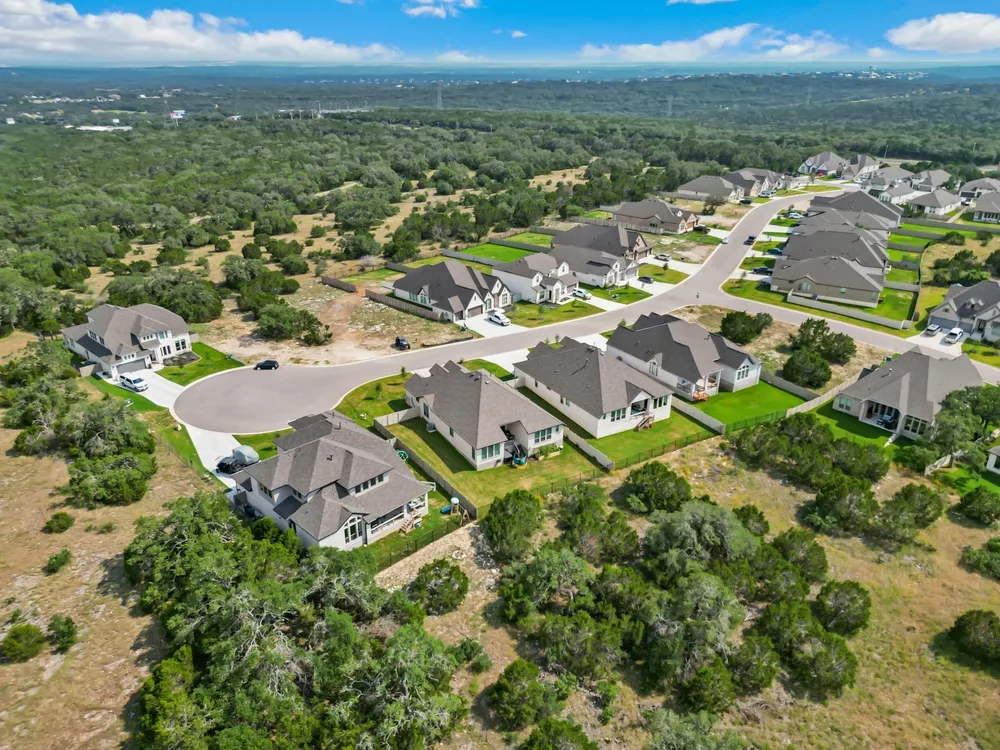
Seller concessions in San Antonio have shifted from rare to routine. Builders are covering closing costs and upgrades. Resale sellers are addressing deferred maintenance they once ignored. And buyers, particularly first-timers and millennials entering the market, are negotiating terms that did not exist when inventory was tighter. The dynamic is familiar across Sun Belt markets with rising supply, but according to Alan Lozano, Co-Founder of the Property Hermanos Group at eXp Realty, the current window has a defined shelf life: once rates decline and buyer competition returns, the concessions disappear.
Lozano has worked the San Antonio market since 2016 and now covers both the metro area and the Rio Grande Valley. His read on current conditions is direct: sellers are ready to deal, and buyers who act before rates drop stand to benefit most.
The Concession Shift
Two years ago, San Antonio sellers could bypass repairs on major systems, a roof nearing the end of its life, and an HVAC unit that had not been serviced. Low inventory gave them that leverage. That leverage is gone.
Buyers now have enough choices that condition issues become deal breakers rather than negotiating points. A property with a foundation that has been maintained will win over one that has not, simply because buyers can walk to the next listing.
“Buyers don’t shop around seeing potential; they see problems,” Lozano says.
Sellers who address inspection-report issues before listing are finding their properties more desirable. Those who do not are watching listings sit. And sitting, in Lozano’s view, comes down to one variable: price.
“Even if something is in bad condition or less than desirable condition, all of that can be remedied with the price,” he says. Properties that would command high prices at full potential do not command those prices in neglected condition, but at the right price, a buyer will see the value. Sellers who insist on top dollar for homes that are not in top dollar condition are the ones generating stale inventory.
Where Buyers Are Active
The San Antonio market is drawing activity from several distinct segments simultaneously. Millennials are entering homeownership for the first time. Empty nesters are downsizing from two-story homes to single-story layouts. And investors are still finding rental opportunities in single-family homes, duplexes, and small multifamily properties.
For investors, Lozano applies the 1% rule as a baseline: a property priced at $200,000 should bring in a minimum of $2,000 a month in rent to ensure costs are covered. He emphasizes discipline over urgency. “If a property is going to cost you money to hold on to, especially if it’s an exorbitant amount, there are other opportunities,” he says. “Once-in-a-lifetime opportunities happen usually two to three times a year.”
That patience matters because the geographic spread of activity is broad. Gated communities with pools and playgrounds attract growing families. Quiet neighborhoods near downtown, like Olmos Park and Alamo Heights, appeal to buyers seeking proximity without intensity. The corridor heading north along I-35 toward New Braunfels and eventually Austin continues to see substantial growth. And heading west on I-10 toward Boerne and Fair Oaks Ranch, development remains active. The opportunity is distributed rather than concentrated, which means investors and buyers alike benefit from knowing which pockets match their specific criteria.
Builder Incentives and the Rate Window
Builders are currently covering closing costs, upgrades, and other incentives that make new construction competitive with resale inventory. Resale sellers, in turn, are offering their own concessions. For buyers concerned about interest rates, Lozano says rate buydowns are a tool his team uses regularly to secure better long-term terms.
His argument for acting now rather than waiting centers on what happens when rates eventually decline. More buyers enter the market, competition increases, and the concessions that sellers and builders currently offer vanish.
“As soon as rates get lower, the buyer pool is going to increase, the floodgates are going to open up,” Lozano says. “A lot of those perks that sellers are willing to throw in right now, those are going to disappear, and prices are going to go up.”
The implication for buyers weighing timing: the current combination of seller willingness, builder incentives, and lower competition represents a specific set of conditions that higher rates have created. Those conditions reverse when rates fall.
Sizing Expectations to the Market
For first-time buyers who find their ideal home priced beyond reach, Lozano advises adjusting expectations rather than exiting the market entirely. A buyer who wanted a four-bedroom, 3,000-square-foot home three to five years ago may need to consider a three-bedroom at 2,000 square feet today.
“Odds are that the house they buy for the first time, it’s probably not going to be their forever home,” he says. “People are usually living in homes for between five and seven years. So use it as a stepping stone, don’t use it as a hindrance.”
The strategy he outlines: buy something smaller, live in it for two years, then potentially convert it to a rental while moving into the next property. Real estate in the long term is an investment, Lozano says, and entering the market with a smaller property builds equity that a renter does not accumulate.
“As long as the finances work for you, we’re always big proponents for getting into the market sooner rather than later,” he says.
For buyers and sellers navigating San Antonio in its current state, the market rewards preparation and realistic pricing on the sell side, and decisiveness on the buy side. The concessions available today exist because of a specific imbalance between supply and demand, one that corrects itself once borrowing costs come down and more buyers enter the market.
About the Expert: Alan Lozano is Co-Founder of the Property Hermanos Group at eXp Realty, covering the San Antonio metro area and Rio Grande Valley since 2016.
This article is based on information provided by the expert source cited above. It is intended for general informational purposes only and does not constitute legal, financial, or real estate advice. Readers should conduct their own research and consult qualified professionals before making any real estate or financial decisions.
Similar Articles
Explore similar articles from Our Team of Experts.