Santa Fe’s commercial real estate market stands apart from larger southwestern cities, shaped by steady tourism, government employment, and a fragmented market structure. While broader economic uncertainty and shifting investor sentiment have slowed some markets, Santa Fe’s fundamentals remain stable, offering a clear example of how smaller cities weather economic headwinds and maintain long-term value.
Tourism and Government
Santa Fe’s commercial real estate market operates on a smaller scale than neighboring Albuquerque, with a population of roughly 150,000 to 175,000. Its size brings both constraints and advantages, but the city’s reliance on tourism and government employment sets the tone for growth and stability.
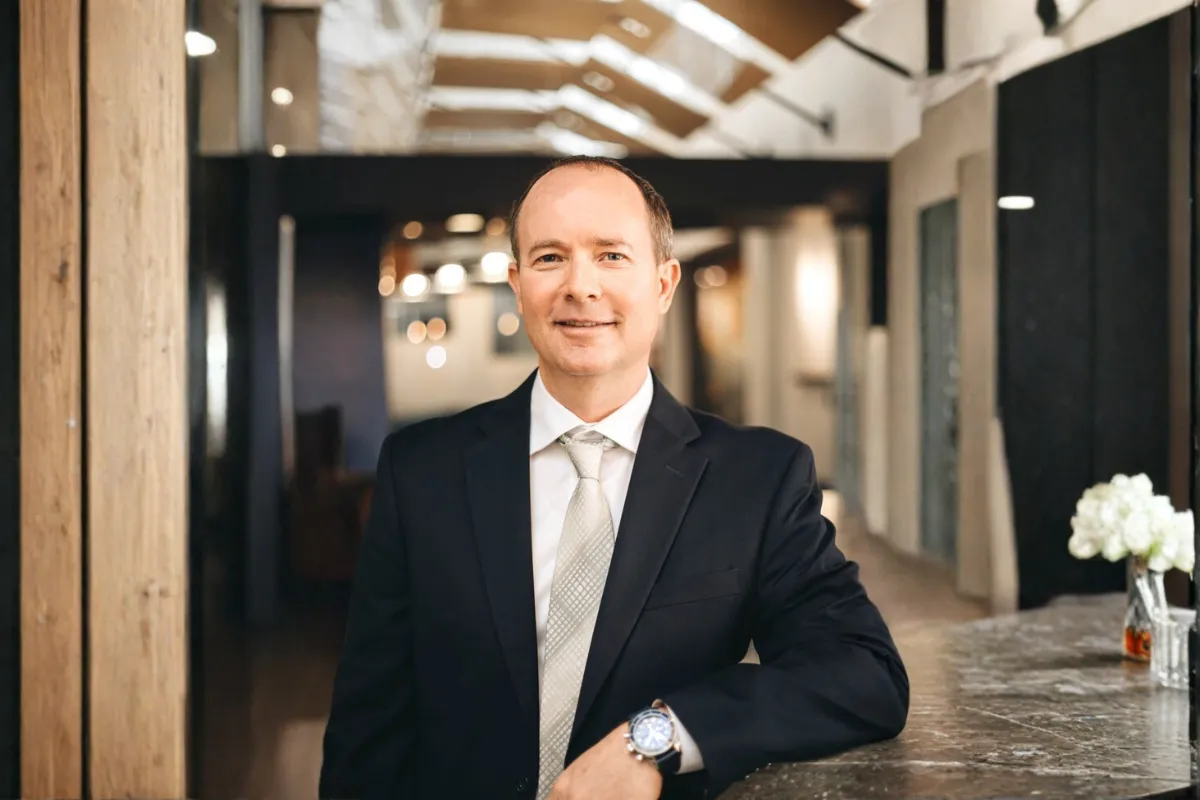
Tourism has rebounded strongly since the pandemic. Tai Bixby, Senior Associate at Real Estate Advisors LLC, who has worked in Santa Fe’s commercial sector for two decades, notes a clear pattern: “Since the depths of the pandemic, we’ve seen nothing but year-on-year increases in lodgers tax receipts, which means tourism keeps rising.” National accolades from publications like Condé Nast have raised Santa Fe’s profile, driving investor interest in hospitality and mixed-use properties.
However, the market faces a potential shock. The state of New Mexico plans to build a 250,000-square-foot office complex in a market with only 1.5 to 2 million square feet of total office space. This project could cause significant disruption if state agencies vacate existing leases. “There’s real concern among current office owners about losing state tenants,” Bixby says. If major tenants leave, owners may need to convert empty offices into apartments or other uses.
Market Opacity and Fragmentation
Santa Fe’s commercial market is characterized by opacity and fragmentation, making it challenging for outside investors to gain a clear view of available opportunities. As a non-disclosure state, New Mexico does not require public reporting of real estate transactions, hindering access to reliable data.
For brokers and investors, this means market intelligence depends heavily on local relationships and hands-on research. Bixby describes the process: “If you want to find out what’s available, you have to look on LoopNet, Crexi, regional realtor associations, and local networks.” This patchwork approach creates barriers for newcomers, but rewards those with deep local ties.
Longstanding relationships with attorneys, accountants, architects, and engineers provide a competitive edge. Bixby’s firm maintains detailed records of local ownership, lease expirations, and deal histories. “We do lease surveys and track when leases are beginning and ending,” he explains, allowing for proactive dealmaking.
This advantage is evident in recent high-value transactions, all four of Bixby’s most recent listings above $10 million sold to local buyers. “Santa Fe looks risky from the outside because it’s opaque and fragmented,” he says. “But insiders who understand tourism and local market dynamics are comfortable making large purchases.”
Cap Rate Compression
Santa Fe’s demographic profile has changed since the pandemic, with an influx of high-net-worth “COVID refugees” seeking quality of life and clean air. This migration increased property values, while commercial rents remained stable, leading to cap rate compression.
Downtown properties with strong tourism exposure and reliable rent growth now see cap rates in the 4% to 6% range. According to Bixby, “Cap rates in Santa Fe are typically 50 to 100 basis points lower than in Albuquerque, which means prices here are higher.” This premium reflects both demand for prime locations and limited inventory.
Despite national concerns about office real estate, Santa Fe’s fundamentals remain healthy. Downtown office vacancy rates are around 5% to 6%, and citywide rates are 7% to 8%, significantly lower than the double-digit vacancies and tenant concessions common in major cities. This resilience is partly due to the city’s reliance on government and tourism tenants, which provide steady demand.
Development Activity
While Santa Fe’s historic downtown sees little new construction due to preservation rules, the city’s outskirts are experiencing notable development, especially in multifamily housing. “We’re seeing ongoing development on the south and west sides of town,” Bixby says. These areas offer more available land and fewer regulatory hurdles.
In the past six years, developers have delivered about 3,500 new apartment units, but demand still outpaces supply. Most new projects cluster where zoning and infrastructure can support larger buildings, helping to address Santa Fe’s chronic housing shortage.
Both population growth and the need for workforce housing drive this development activity. As rents rise and vacancy rates remain low, developers continue to pursue multifamily projects, especially in the 150- to 250-unit range, which offers economies of scale without flooding the market. “Projects of that size balance lower per-unit costs with manageable lease-up timelines,” Bixby explains.
Investment Opportunities
Investors looking at Santa Fe’s commercial market find several promising sectors. Small-bay industrial properties, typically in the 1,500 to 3,000 square foot range, are in high demand. Buildings with multiple small bays — especially those totaling 10,000 to 20,000 square feet — see rapidly rising rents and low vacancy.
Multifamily development remains attractive for experienced investors with access to capital. The city’s persistent rental demand, coupled with limited supply, supports new construction and stable returns. Projects sized between 150 and 250 units are particularly viable, offering operational efficiencies without overwhelming the market.
Short-term rentals are another area of interest. Despite city efforts to restrict them, well-located duplexes, triplexes, and luxury homes still generate strong returns. Investors who navigate regulations and secure desirable locations continue to see profitable outcomes.
Economic Headwinds
Santa Fe’s market outlook is not without challenges. Political and economic uncertainty are shaping both investor sentiment and development timelines. Tariff fluctuations and volatile construction costs make it difficult to budget new projects. “Uncertainty around materials pricing — pipes, wires, steel — creates hesitancy among developers,” Bixby says.
Federal and state political dynamics also influence the market’s stability. New Mexico’s economy depends heavily on government employment, including state agencies and the National Laboratory complex. Political gridlock or government shutdowns could disrupt local spending and office demand. “A big portion of Santa Fe’s economy comes from government salaries,” Bixby notes, “so any prolonged dysfunction at the federal or state level is a real risk.”
A Numbers-Driven Market
Santa Fe’s commercial real estate sector, like others, relies on financial discipline and data-driven decisions. Bixby emphasizes that “the language of commercial real estate is math.” Every deal must have a clear financial rationale, with buyers and sellers focused on return on investment.
This analytical approach is particularly important in smaller, relationship-driven markets, where local knowledge and connections can sometimes overshadow fundamentals. Bixby’s firm uses principle-based negotiations, tracking key financial metrics throughout the deal process to ensure that both parties’ objectives are met.
For investors and professionals considering secondary markets, Santa Fe offers a clear case study in balancing local insight with financial rigor. Deep relationships, an understanding of regulatory context, and a focus on underlying numbers are essential to navigating the city’s opaque and competitive landscape.
Looking Ahead
Santa Fe’s commercial real estate market is navigating a period of flux, but its core strengths — tourism, government employment, and limited inventory — continue to drive demand and support values. The market’s unique blend of fragmentation and local knowledge creates barriers for outsiders but rewards those with established relationships and a long-term perspective.
As national economic and political uncertainty persists, Santa Fe’s experience highlights the importance of adaptability and informed decision-making. Investors who prioritize financial analysis, understand local dynamics, and remain patient are best positioned to benefit from the city’s ongoing resilience and steady growth.