

In several Miami neighborhoods, million-dollar mansions now stand beside modest 1950s bungalows. Two blocks away, newly built luxury homes tower over rows of single-family houses that haven�...

In Southern New Hampshire, Selling Your Home Is the Easy Part

Written by:
Date:
19 Aug 2026
Share via Facebook

Share via Linkedin

Share via X

Copy to clipboard

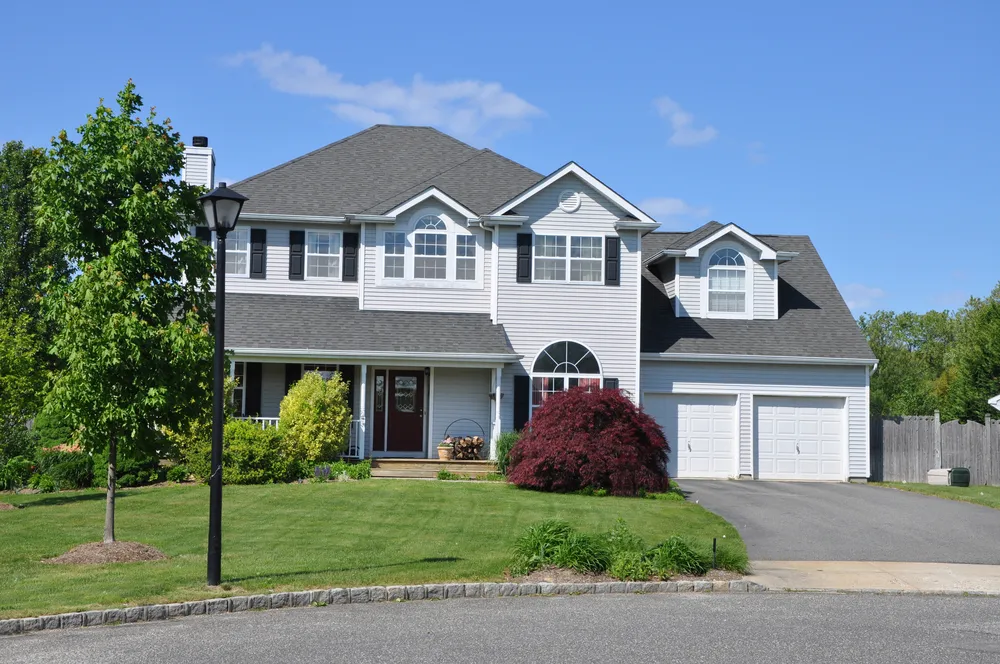
If you own a home in southern New Hampshire right now, selling it probably won’t be your problem. Homes still move quickly, often at or above asking price. The real challenge – the one that catches sellers off guard – is figuring out where you’re going next. In a market this competitive, selling without a plan for your next home can leave you temporarily without housing or locked into a deal structure you didn’t anticipate.
Josh Judge, a Realtor with Berkshire Hathaway HomeServices Verani Realty working across southern New Hampshire and northern Massachusetts, says this sequencing problem has become the central puzzle for most of his seller clients. The sale itself is almost a formality. The logistics of what comes after require far more planning.
The Home-Sale Contingency Is Dead Here
In many parts of the country, a buyer can make an offer on a new home contingent on selling their current one. In southern New Hampshire, that approach is essentially non-functional. “Nobody will accept that offer because there’s enough competition here,” Judge says. Sellers can find a buyer without that uncertainty attached.
This creates a specific trap for move-up buyers who need to sell their current home to fund their next purchase. They can’t buy first because no seller will accept their contingent offer. But if they sell first without having a destination lined up, they risk closing with nowhere to go.
The Workaround Sellers Are Using
The dominant approach Judge describes is a reverse contingency: list your home for sale, but include language stating the sale is subject to sellers finding suitable housing. This means you accept a buyer for your current home, but the closing date remains flexible until you’ve secured your next place.
The key requirement is finding a buyer with enough flexibility to wait. In Judge’s most recent transaction, a couple selling their home of nearly 30 years, they listed first, secured multiple offers, and then began searching for a 55-plus community home to downsize into. Because they had competing bidders, buyers were willing to accommodate a flexible closing timeline.
This approach works when the seller’s home is desirable enough to attract multiple offers. For sellers in less competitive positions, homes that need work, unusual properties, or higher price points with thinner buyer pools, the leverage to demand flexibility may not exist.
Why This Matters More Than Price
Sellers in southern New Hampshire tend to focus on what their home will sell for. Neighboring sales provide confidence: Judge described clients whose next-door neighbor sold for roughly $60,000 over asking in just five days.
But pricing confidence doesn’t solve the logistics. “The hardest thing with them is just going to be we have to find them a place to move,” Judge says. A seller who gets top dollar but has no home to close on is in a worse position than one who sold for slightly less with a smooth transition already arranged.
There are multiple paths: selling with a leaseback arrangement, renting temporarily, buying a new home with a bridge loan, or using the flexible-closing structure Judge described. Each carries different costs and risks. Choosing the wrong sequence, or choosing none at all, creates problems that a strong sale price cannot fix.
Customization Over Formula
Judge notes that every transaction requires a different approach. “There are no two deals that are the same. So you can’t make everything cookie-cutter,” he says. The implication for sellers is that the sequencing strategy should be established before the listing goes live, not figured out after the first offer arrives.
For anyone considering selling in southern New Hampshire’s current market, the listing decision and the destination decision are inseparable. A fast sale with nowhere to land is not a success – it’s a crisis with a good price tag. The sellers who navigate this market cleanly are the ones who treat the search for their next home as the first step, not the last.
About the Expert: Josh Judge is a Realtor with Berkshire Hathaway HomeServices Verani Realty, covering southern New Hampshire and northern Massachusetts. He specializes in the lakefront segment and has nearly eight years in the business.
This article is intended for informational purposes only and does not constitute legal, financial, or investment advice. The views and opinions expressed herein reflect those of the individuals quoted and do not represent an endorsement of any company, product, or service mentioned. Readers should conduct their own due diligence and consult qualified professionals before making any investment decisions.
Similar Articles
Explore similar articles from Our Team of Experts.