
The Philadelphia Main Line market is experiencing a tale of two realities, where location differences of just one township can mean the difference between multiple offers and weeks on the ma...

In Western New York, Expired Listings Are Outpacing New Ones

Written by:
Date:
18 Aug 2026
Share via Facebook

Share via Linkedin

Share via X

Copy to clipboard

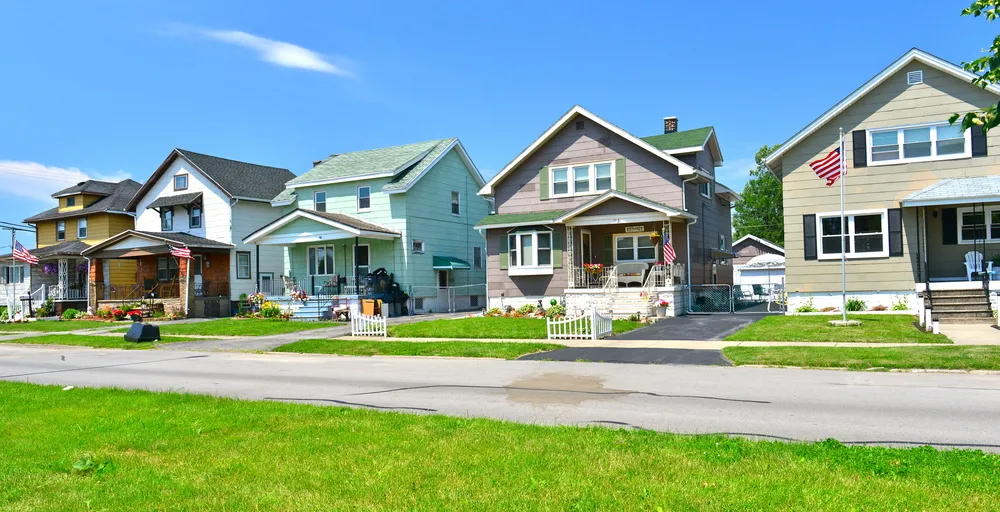
For years, Buffalo and its surrounding counties were among the hottest investor markets in the Northeast. Affordable entry points, low property taxes, and strong rental demand made two- to four-unit residential properties an easy pitch. That pitch has gotten harder. In recent months, the number of listings expiring without a sale has exceeded the number of new listings entering the market, a signal, according to Lawrence Blaber, a Realtor with WNY Metro Roberts Realty, that pricing expectations set during the boom have not caught up with current demand.
Blaber works primarily with residential investors in Erie and Niagara counties and sees the shift playing out deal by deal. “It’s still a buyer’s market, but there aren’t as many buyers, so the buyers are even stronger,” he says. Sellers who entered during the frenzy are struggling to exit, and investors who remain active are extracting terms that would have been unthinkable two years ago.
Buyers Are Holding Firm on Budget
The behavioral shift among buyers is one of the clearest changes Blaber describes. During the peak, buyers routinely exceeded their pre-approval amounts; someone approved for $350,000 would offer $360,000 and figure out the difference later. That willingness has disappeared.
“Even if they’re approved for 350, they try to stay at 335, 340. They’re not willing to break it,” Blaber says. The discipline extends to investors as well. One of his most active investor clients has drawn a hard line: nothing above $100,000, regardless of condition. “He doesn’t mind the fix-up, but he’s got that hundred number.”
The properties moving fastest reflect this budget discipline. In the suburbs, single-story ranch homes remain reliable sellers. In the city, solidly built two-bedroom units priced at or below $105,000 are finding takers. Anything priced above where the current buyer pool is willing to go simply sits.
Sellers Are Getting Creative
The concession environment has split along neighborhood lines. In desirable areas with strong school districts, sellers understand they need to make improvements or adjust price to attract the shrinking buyer pool. In rougher neighborhoods, sellers are more resistant to repairs, but when they do agree, they insist on contractual language tying specific repairs to specific price points.
The more notable development is the return of seller-held financing in the small multifamily space. Blaber describes investors who cannot reach their target sale price offering to hold the mortgage for two or three years, structured as a payment plan that lets the buyer reach the seller’s number over time. “The main focus is getting up from under that mortgage so they can pull another HELOC,” he says of the sellers’ motivation.
One example illustrates the gap between entry price and current value: an investor who bought a two-unit property in Niagara Falls for $120,000 during peak competition now cannot attract an offer above $100,000. Blaber believes the property was overpriced at purchase, closer to $105,000 in fair value at the time, making the current gap a combination of overpayment and weakened demand.
Cap Rate Expectations Need Recalibration
For investors entering the market today, Blaber’s advice centers on realistic underwriting. He runs a financial data sheet for each deal and says the days of demanding a 10% cap rate are over. “These days you’re probably more in the seven, maybe eight,” he says. “You got to shoot for a cap rate of about seven.”
Beyond the cap rate, he emphasizes budgeting for property management and a repair buffer, costs he says routinely blindside investors, even those who have just completed a full renovation. The investors succeeding in this environment are those liquid enough to buy distressed properties at $60,000 to $70,000 and invest in repairs, or those willing to absorb problems, a difficult tenant, deferred maintenance, in exchange for a lower purchase price. “You gotta be creative to get to where you want to be,” Blaber says.
Where Activity Is Concentrating
Within the region, Amherst remains the strongest residential market, anchored by its reputation and the Williamsville school district. But Blaber points to the town and city of Tonawanda in Erie County as an area gaining momentum that investors should watch. For pure rental investment, Niagara Falls still offers accessible entry points. Homebuyers, meanwhile, are pushing toward the Starpoint School District, Pendleton, and the town of Lockport area.
The Reassessment Question
The most significant near-term variable for Buffalo proper is the city’s upcoming reassessment cycle. New assessments will reset tax obligations, and Blaber sees this as a potential inflection point for investor economics. “Part of the reason landlords like it is the taxes were low,” he says. “You’re buying a house for 80,000 with the taxes at 500, so that change is going to matter.”
Whether the reassessment drives more investors out to surrounding towns or simply slows purchase activity within city limits is something Blaber says he cannot yet predict. The other variable he is watching is school district competition, any boundary or enrollment changes that shift demand between neighborhoods. “The schools and changes in the school districts and that competition are probably the two trade winds to watch the most,” Blaber says.
For investors weighing entry into western New York, the math has changed. Budget discipline from buyers, compressed cap rates, and a reassessment cycle that could raise operating costs all point to a market that still offers opportunity, but only for those willing to underwrite conservatively and negotiate creatively rather than relying on the competition-driven pricing of the past few years.
About the Expert: Lawrence Blaber is a Realtor with WNY Metro Roberts Realty, working primarily with residential investors in Erie and Niagara counties, New York.
This article is based on information provided by the expert source cited above. It is intended for general informational purposes only and does not constitute legal, financial, or real estate advice. Readers should conduct their own research and consult qualified professionals before making any real estate or financial decisions.
Similar Articles
Explore similar articles from Our Team of Experts.