The Naples luxury real estate market is changing as buyers respond to economic uncertainty and an increased number of available options. After years of tight inventory and rapid sales, buyer...

In South Jersey, Entry-Level Home Prices Have Jumped by $100,000 or More – and Buyers Are Adjusting Their Strategy

Written by:
Date:
13 Aug 2026
Share via Facebook

Share via Linkedin

Share via X

Copy to clipboard

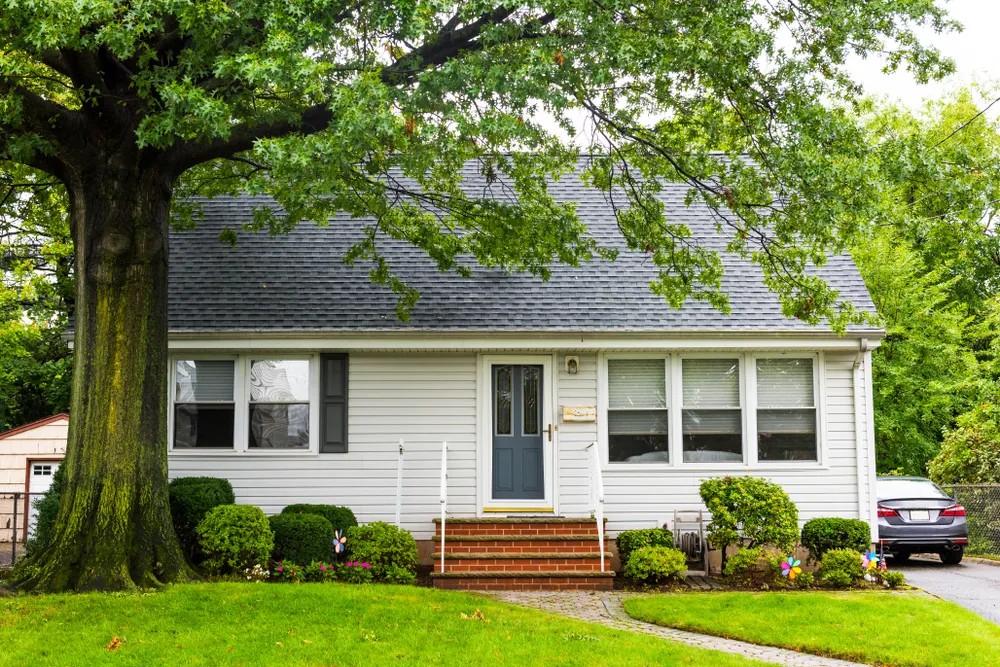
The starter home in South Jersey used to cost around $250,000. That number has shifted upward by roughly $100,000 to $150,000 depending on the county, pushing the introductory price into the $350,000 to $400,000 range, according to Maria Robles, a Realtor Associate Broker with Real Broker, LLC, who has worked the South Jersey market for 21 years. The change hasn’t driven buyers away; it has made them more calculating about where they buy, what condition they’ll accept, and how they evaluate total monthly cost rather than just purchase price.
Robles’s current buyer pool spans from $250,000 purchases to a $2.4 million property in Margate, but the bulk of activity clusters around that $400,000 average, right at the new floor for entry into the market.
Who’s Buying and Why They’re Coming South
South Jersey’s positioning between Philadelphia and New York City continues to pull buyers from both directions. The market draws first-time buyers, families outgrowing their current homes, and a steady stream of relocators from North Jersey and New York seeking more house for less money.
“I myself am seeing a lot of New York people and North Jersey people coming down because there’s more affordability here and you get more house for your dollar,” Robles says. The appeal extends beyond commute math, proximity to the shore and suburban space give the area a lifestyle component that pure affordability markets often lack.
The step-up buyer is a particularly active segment. Families who purchased before COVID have built equity and now need larger homes, but they’re competing for a limited pool of well-maintained inventory. Robles notes that homes priced correctly with newer mechanicals and good condition remain competitive. Her recent deal illustrates the dynamic: a young couple sold their Egg Harbor Township townhouse at a profit and moved into a five-bedroom home at roughly half a million, but lost out on several properties before securing one.
Buyers Are Thinking in Monthly Terms, Not Purchase Price
Rather than fixating on the sticker price, today’s buyers are calculating total monthly carrying costs – mortgage, electric, gas, water, sewer – before committing.
“Years ago, people only looked at what the dollar amount is I’m paying for the house,” Robles says. Now they focus on what their monthly expenses will be across all utilities and housing costs. This shift has made buyers more selective before they even walk through a door.
The mindset extends to condition. Move-in ready no longer means updated kitchens and bathrooms. It means updated mechanicals – HVAC, roof, electrical – so the buyer faces no large surprise expenses in the first few years. Properties that meet that standard attract strong demand. Those that don’t sit longer, and buyers looking at fixer-uppers are unwilling to pay full market price for them.
Home Inspections Are Killing More Deals
The inspection phase has become the point where transactions most frequently break down. During the COVID frenzy, buyers routinely waived or overlooked inspection findings. That tolerance has evaporated.
“Buyers are not willing to just accept more things on a home inspection,” Robles says. Leaky roofs, aging HVAC systems, and electrical problems are now deal-breakers rather than items buyers absorb without negotiation.
Sellers are adjusting, sometimes involuntarily. Robles describes a recent listing where the seller had to concede nearly $16,000 due to electrical, HVAC, and foundation issues uncovered during inspection. Her recommendation to listing clients: invest in a pre-listing inspection to surface problems before they become deal-breakers at the negotiating table.
Robles also conducts due diligence before showing properties to buyers. She reviews seller disclosures to assess the age of major systems, then advises clients on whether a home at the top of their budget makes sense if it will need a new roof or HVAC within a year or two.
Where Investors Should Look
Investors remain active but have become notably more conservative. The buy-everything mentality of the pre-Covid period has given way to closer scrutiny of after-repair value and holding costs, particularly for properties that will list at higher price points and potentially sit longer on the market.
Robles steers investor clients toward Gloucester County, which she describes as less saturated with investor activity, offering larger homes, more land, and better entry pricing relative to places like Burlington County. On the avoidance side, she flags areas where school district perception is poor – a factor that suppresses resale demand – and towns that have recently undergone property tax reassessments, which can push carrying costs beyond what target buyers can afford.
Out-of-state buyers expecting $4,000 to $5,000 in annual property taxes often face a market where the average runs around $8,000 to $9,000, according to Robles, a gap that immediately narrows which towns are viable.
A Market That’s Leveling, Not Crashing
Sellers who still carry a Covid-era pricing mentality are running into resistance. Buyers aren’t overpaying, and properties that aren’t priced correctly are sitting. Robles says the adjustment conversations with sellers have been difficult but productive: once expectations realign with current conditions, homes move.
The areas outperforming tend to share common traits: strong school reputations, walkable access to restaurants and shopping, and general quality-of-life infrastructure. Cherry Hill, Washington Township, Pennsauken, Gloucester Township, and Egg Harbor Township all fit that profile. More rural areas with longer drives to amenities sell but don’t generate the same urgency among buyers.
“I don’t think we’re going to see a crash. We have been seeing more of a leveling off, and things are coming down,” Robles says. Her advice to buyers: focus on areas that haven’t yet peaked in value rather than those already at the top. “You still want to be able to have equity and build on that, find those areas that really haven’t quite hit the top of their bubble.”
For sellers entering this market, pricing correctly from the start and addressing property condition before listing are no longer optional strategies; they determine whether a home sells in weeks or lingers for months.
About the Expert: Maria Robles is a Realtor Associate Broker with Real Broker, LLC, with 21 years of experience serving the South Jersey market.
This article is based on information provided by the expert source cited above. It is intended for general informational purposes only and does not constitute legal, financial, or real estate advice. Readers should conduct their own research and consult qualified professionals before making any real estate or financial decisions.
Similar Articles
Explore similar articles from Our Team of Experts.