

After years of rapid sales and bidding wars, buyers in the Tampa Bay area are finally gaining the upper hand. Homes are staying on the market longer, sellers are offering concessions, and bu...

Modular Home Financing Gaps Slow Down U.S. Buyers in 2026

Written by:
Date:
08 Aug 2026
Share via Facebook

Share via Linkedin

Share via X

Copy to clipboard

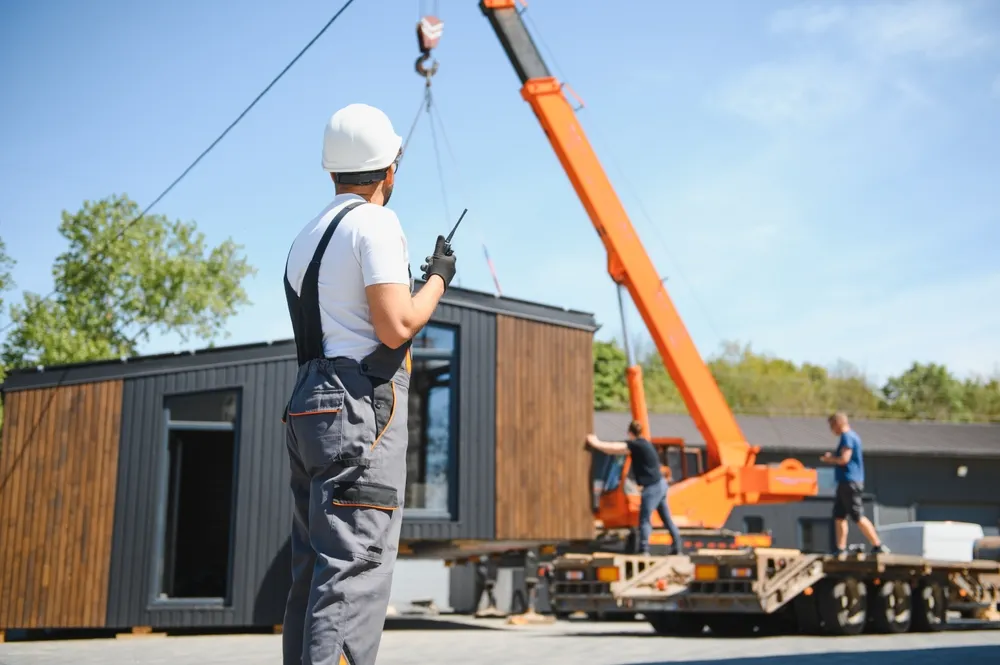
Construction lenders appraise progress by visiting a job site and checking visible milestones: foundation poured, framing complete, roof on. That system breaks down when 60 to 80 percent of the building happens inside a factory miles away. For buyers and developers choosing factory-built homes, this mismatch creates delays, awkward drawdown schedules, and friction that traditional stick-built projects never require.
Vikas Enti, CEO and Co-Founder of Reframe Systems, a New England-based robotic housing manufacturer, says the disconnect is one of the biggest obstacles slowing adoption of modular construction. Standard construction loans release funds in stages tied to physical milestones on site. With modular homes, most of the work happens offsite, including framing, insulation, wiring, plumbing, and finishing. The lot may sit empty for weeks while the home takes shape in a production facility. Then modules arrive, and the structure goes up in days.
“It’ll feel like nothing’s happening on the job site until one day the building’s there,” Enti says. A lender using traditional milestones would see zero progress right up until the project is nearly complete.
Why Draw Schedules Fail
Legally, lenders must treat modular projects the same as conventional ones. But many loan officers have never underwritten one. Enti says the education gap “sometimes can be friction points” for customers trying to close financing on a factory-built home.
The core problem is timing. A modular factory needs payment for completed work before anything is visible on site. That work can represent the majority of a project’s total cost. Traditional draw schedules release funds only after an appraiser confirms physical progress at the building location. This creates a cash-flow mismatch that can stall projects or force developers to bridge the gap with their own capital.
Developers on tight timelines face accumulating carrying costs. A lender unfamiliar with modular draws can undermine a project’s economics. For individual buyers, explaining the construction method to a loan officer unfamiliar with the process adds time and uncertainty.
Which Lenders Have Adapted
Some banks already know how to structure draws for modular projects. Enti cites TD Bank as one lender that understands modular construction financing. But these remain exceptions. Buyers in most markets should expect to spend extra time finding a lender with modular experience. Their existing bank may not be equipped to handle the loan.
The financing landscape is starting to shift at the policy level too. Enti points to the federal ROAD to Housing Act, which he says includes provisions to advance financing for modular construction and simplify some of the regulatory landscape around it. That kind of policy movement gives buyers more to work with today, even if the market as a whole hasn’t caught up yet.
One concrete step: ask any modular builder under consideration which specific lenders they have closed deals with, and contact those lenders first. Builders who have completed multiple projects typically maintain a short list of lenders they trust, and starting there can save weeks compared to approaching an unfamiliar bank cold.
A Factory Financing Fix
Enti says the longer-term solution is for factories to offer construction financing directly. This would fold the lending step into the manufacturing relationship. “Just the way you get financing from Toyota when you buy a car from them, can you get financing from a modular factory so you can actually build your home with that modular system?” he says. “We think that’s the future.”
Several manufacturers are exploring this model, though it remains early-stage. If it matures, buyers would deal with one entity for both construction and financing. They wouldn’t need to coordinate between a factory and a bank that may not understand the process.
What Buyers Should Know
Financing a factory-built home in 2026 will likely take longer and require more documentation than a comparable stick-built purchase. The home itself is not riskier. Enti notes that factory-built homes can achieve better air tightness and energy efficiency than site-built equivalents, which can lower long-term energy and insurance costs. But the path to closing remains more complicated because the lending infrastructure has not caught up to the construction method.
Buyers who plan for this friction rather than being surprised by it will be in a stronger position, starting with budgeting extra time before groundbreak.
About the Expert: Vikas Enti is CEO and Co-Founder of Reframe Systems, a New England-based robotic housing manufacturer specializing in factory-built modular construction.
This article is intended for informational purposes only and does not constitute legal, financial, or investment advice. The views and opinions expressed herein reflect those of the individuals quoted and do not represent an endorsement of any company, product, or service mentioned. Readers should conduct their own due diligence and consult qualified professionals before making any investment decisions.
Similar Articles
Explore similar articles from Our Team of Experts.