The South Florida condominium market is experiencing a major crisis as maintenance fees soar, reshaping buyer behavior and property values. According to Arkadiy Abdurakhmanov of United Realt...

Why More Homeowners Are Researching Roofing Options Before the Next Storm

Written by:
Date:
10 Aug 2026
Share via Facebook

Share via Linkedin

Share via X

Copy to clipboard

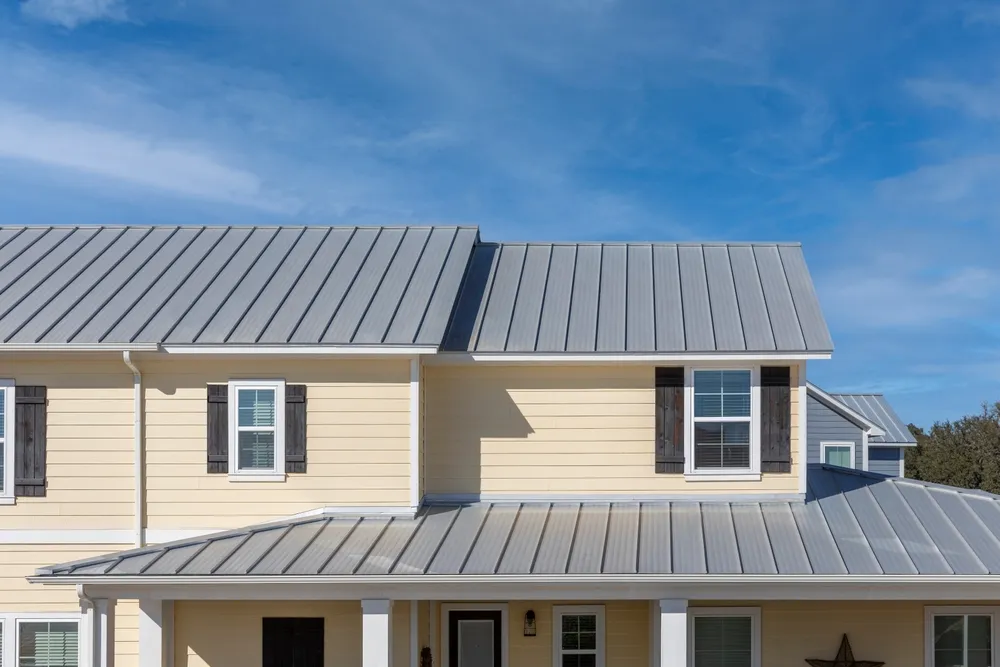
When a storm destroys a roof, the instinct is to replace it with the same material. The insurance check often covers exactly that: the same style, with the same vulnerability. But in regions where severe weather recurs, homeowners and insurers alike are increasingly questioning that default. That’s according to Renee Ramey, executive director of the Metal Roofing Alliance, a nonprofit trade group covering the U.S. and Canada that educates homeowners on roofing options.
Ramey says the pattern is consistent. Homeowners who have lived through a major weather event and lost their roof are far more likely to research alternatives before rebuilding. Those who haven’t lost a roof tend to default to asphalt without comparing options.
Post-Disaster Research Window
After a homeowner has lost a roof, lost possessions inside the home, and dealt with a full rebuild, the calculus changes, Ramey says. “Typically that gets their attention, and they take a bit more time, a bit more research,” she says. She points to the Southeast (hurricanes), the central U.S. tornado corridor, and California after recent wildfires as regions where she has observed metal roofing gaining market share.
Research is easier to act on before a disaster, when there’s no urgency. Once an emergency rebuild is underway, contractors are already booked, and insurance timelines are already running. That timing gap is a real tension for homeowners deciding on roofing material.
Insurance Pricing by Material
The Metal Roofing Alliance published research earlier this year describing a growing connection between roof material and insurance pricing. Ramey says more regions now offer discounts or rebates tied specifically to metal roofing. She also notes that Florida’s state insurance commissioner has publicly encouraged metal roofing and characterized asphalt as a poor fit for the state’s conditions.
That’s one trade association’s research and one official’s public comments, not a national policy shift. The specifics vary by state, county, and individual insurance carrier. Homeowners considering a switch should confirm what discounts, if any, are actually available from their own carrier before assuming a benefit.
Limited Contractor Availability
Even homeowners who decide they want metal roofing after a disaster run into a supply problem: finding someone to install it. In high-demand regions after weather events, Ramey says, “homeowners can’t get a call back.” She says contractors can be booked out so far that some homeowners default to whatever material has the shortest lead time. That’s typically asphalt.
Ramey says training more roofers to install metal is an industry goal. But she acknowledges the shortage is a real, current barrier, not a solved problem. For homeowners in disaster-prone areas, that argues for making the material decision before an emergency, when there’s more room to shop around for a contractor.
Cost vs. Lifespan Tradeoff
Ramey argues that the most common mistake homeowners make is comparing roofing materials on upfront price alone. By her account, a metal roof can cost two to three times more than asphalt upfront but also last two to three times longer. That changes the math for anyone planning to stay in a home for decades rather than the next decade. She compares it to financing a car or appliance, where a higher upfront cost is offset over a longer usable life. As with that comparison, the actual math depends on how long someone stays in the home, financing terms, and local material and labor costs, which this piece hasn’t independently verified.
Ramey also raises timing as a factor for homeowners pairing roofing with solar. Metal roofs generally outlast solar panel warranties. Installing panels on a shorter-lived roof can mean removing and reinstalling them later, for a separate roof replacement. Ramey says that cost has run some homeowners into the tens of thousands of dollars. That figure comes from Ramey, not an independently verified source, and actual costs will vary by system size and region.
For homeowners in storm-prone markets, Ramey’s larger point is about timing, not just material. In her view, the decision that matters most isn’t which contractor to call after the next disaster. It’s whether the research happened before that call became urgent.
About the Expert: Renee Ramey is executive director of the Metal Roofing Alliance, a nonprofit trade association covering the U.S. and Canada that educates homeowners about roofing options.
This article is intended for informational purposes only and does not constitute legal, financial, or investment advice. The views and opinions expressed herein reflect those of the individuals quoted and do not represent an endorsement of any company, product, or service mentioned. Readers should conduct their own due diligence and consult qualified professionals before making any investment decisions.
Similar Articles
Explore similar articles from Our Team of Experts.