Commercial real estate development in Southern California is widely regarded as one of the most difficult operating environments in the country. Strict zoning regulations, complex entitlemen...

Luring Buyers Away from the Shore, One Engineered Wave at a Time

Written by:
Date:
10 Aug 2026
Share via Facebook

Share via Linkedin

Share via X

Copy to clipboard

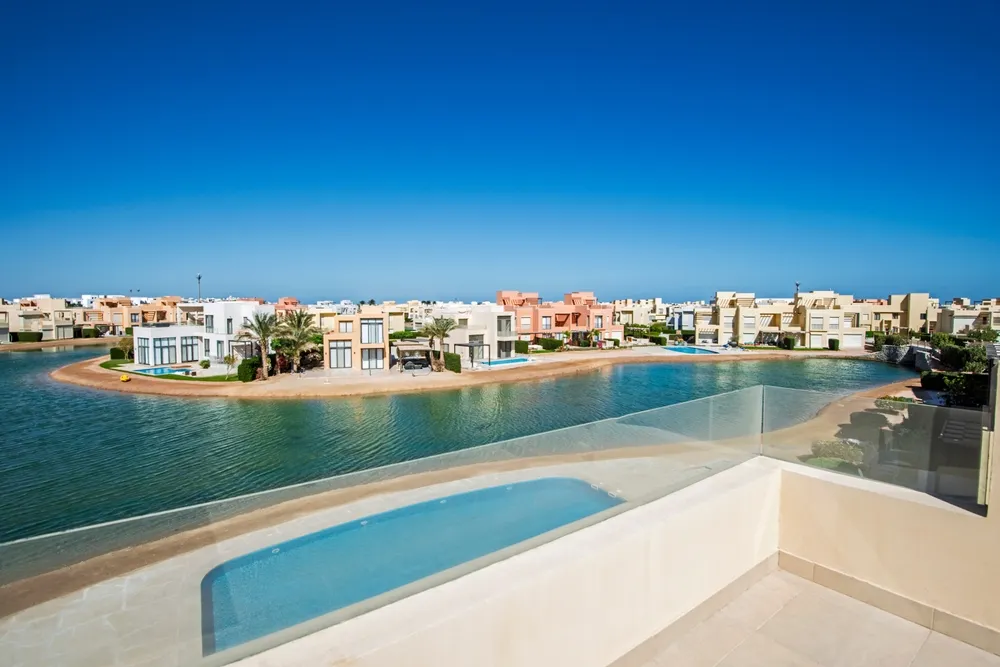
Developers are increasingly betting that buyers will pay coastal prices for water they can’t get to the coast for. Engineered lagoons and machine-made surf breaks have moved from novelty amenity to core sales pitch across landlocked and desert markets – Texas, the desert Southwest, and now southern Utah – with several of the resulting communities ranking among the country’s best-selling residential projects despite sitting hundreds of miles from any ocean.
The logic is straightforward: land without a coastline is cheaper to acquire, but buyers still want water. If a developer can manufacture a convincing substitute – clear water, a controlled beach line, on-demand waves – the land underneath it can be sold at prices closer to genuine waterfront than to the desert or scrubland it actually is. According to RCLCO’s most recent rankings of top-selling U.S. communities, three lagoon-anchored developments placed in the top 50 nationally, evidence that the model is now a proven sales driver rather than a one-off gimmick.
The Two Approaches
The trend splits into two technical bets. The simpler one is the engineered lagoon: a large, calm, chemically treated body of water that mimics a beach without any wave-making machinery. Epperson, in Wesley Chapel, Florida, was the model’s proof of concept, an inland community offering residents unlimited access to a nearly eight-acre lagoon for a flat monthly fee, branded explicitly as beachfront living. Windsong Ranch, outside Dallas, built its community around a similar five-acre, 10-million-gallon lagoon. Disney’s first ground-up real estate project, a desert community outside Palm Springs, uses the same underlying lagoon technology to anchor what the company describes as a beach lifestyle in inland California.
The harder bet is the surf park: instead of calm water, developers install wave-generating technology capable of producing consistent, ocean-quality breaks on demand. This is a costlier and more mechanically complex proposition, but it opens up a different buyer, one who wants to surf, not just swim, and it’s the category southern Utah’s Zion Shores falls into.
Who’s Buying It
The buyer profile for these projects tends to skew toward people who already live near enough to visit regularly but far enough from the coast that a manufactured alternative reads as an upgrade rather than a downgrade. At Zion Shores, a 32-acre development in Washington County built around a nine-acre surf lagoon, that means buyers from California, Utah, Nevada, and Colorado – a number of them, notably, coastal Californians who already live near the ocean but are drawn to the predictability of engineered waves. “They’re 10 minutes from the beach,” says Mike Simmons, who handles inbound leads for the project. “But they understand that riding ocean-style waves at a resort means there’s consistency,” no crowds, no marine hazards, a fixed number of waves per hour rather than an unpredictable ocean.
That trade-off, control and consistency in exchange for authenticity, is the throughline across nearly every project in this category, whether the water is moving or still.
Rental Economics as the Business Model
Because these communities are usually pitched as much to investors as to primary-home buyers, several have built short-term rental income directly into the ownership structure, often restricting outside access to paying guests or owners rather than allowing general public admission. At Zion Shores, every unit is permitted for short-term rental, and anyone from outside the county who wants to surf the lagoon has to be renting or owning on-site; there’s no day-use pass. “We are protecting owners’ rights and owners’ assets,” Simmons says. “You’re going to come, and you’re going to stay with us, you’re going to surf, and then you’re going to leave with a smile on your face and look to book your next return visit.”
That kind of access restriction tying recreational use to ownership isn’t unique to Zion Shores; it echoes the membership and homeowner-priority models used at other surf and lagoon communities, where the amenity is a draw for the general public but a controlled asset for the people who’ve bought in. It’s a structure that lets developers advertise the amenity broadly while keeping the actual usage – and the rental income tied to it – restricted to paying owners.
The Completion Problem
The category’s biggest vulnerability isn’t buyer interest, it’s follow-through. Surf parks in particular have a well-documented habit of being announced and never finished, a pattern Simmons has watched from inside the industry: “A lot of surf parks across the U.S. get announced, but only a fraction of those actually finish,” he says, pointing to municipal approvals, water rights, and permitting as the primary filter that weeds out projects before they break ground.
That risk shows up even among comparatively established projects. DSRT Surf, a surf-lagoon development embedded in a golf resort in Palm Desert, California, opened years behind its original timeline. Waco Surf’s planned 450-acre residential community, the Desperado, has pushed its groundbreaking and completion dates back more than once since it was first announced. Water supply is often the first objection prospective buyers or regulators raise about building a water-intensive amenity in a desert. At Zion Shores, the team says its lagoons draw from a brackish underground source it estimates at roughly ten times the volume the lagoons require, treated to swimming-pool quality through reverse osmosis, though that figure comes from the developer rather than an independent source.
For a buyer evaluating any project in this category, the gap between an announced concept and a completed one is the central risk; price and amenity specs are easy to publish; water rights, permitting, and construction financing are what actually determine whether the lagoon or wave pool a buyer purchased into ever exists.
What This Means for Buyers
The bet underlying all of these projects is that engineered scarcity, controlled water access in a place that otherwise has none, can hold value the way natural waterfront does over time. That’s a largely untested proposition; the oldest of these communities have only a few years of resale data, and the category as a whole is still working out whether manufactured amenities appreciate like real coastline or behave more like any other high-maintenance shared amenity, subject to upkeep costs, mechanical failures, and the same demand cycles as any other master-planned community. For now, the clearest differentiator between projects isn’t the quality of the water or the wave; it’s simply which ones have actually broken ground.
About the Expert: Mike Simmons handles inbound leads for Zion Shores, a 32-acre surf lagoon community in Washington County, southern Utah, with a background in the engineered water amenity development space.
This article is based on information provided by the expert source cited above. It is intended for general informational purposes only and does not constitute legal, financial, or real estate advice. Readers should conduct their own research and consult qualified professionals before making any real estate or financial decisions.
Similar Articles
Explore similar articles from Our Team of Experts.