
The active adult housing market in Central Florida is expanding beyond traditional retirement hubs, as developers respond to demand for boutique communities that offer accessibility and natu...

In Upstate New York's Capital Region, Well-Priced Homes Still Sell Fast While Overpriced Listings Stall

Written by:
Date:
10 Aug 2026
Share via Facebook

Share via Linkedin

Share via X

Copy to clipboard

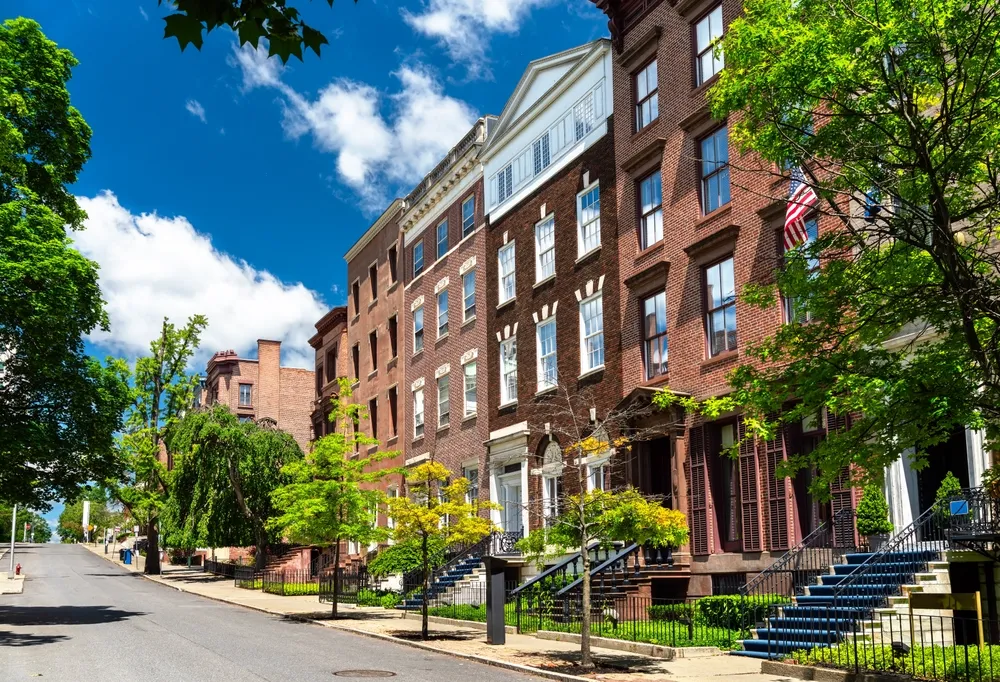
Inventory remains tight across much of New York’s Capital Region and surrounding counties. Still, the frantic pace that defined 2020 and 2021 has given way to something more measured, according to Heather Etzel, a Licensed Real Estate Salesperson with Four Seasons Sotheby’s International Realty. Buyers are no longer waiving inspections or bidding blindly against themselves. Sellers who haven’t adjusted to that shift are watching their listings sit.
Etzel says the market is still active, but the rules of engagement have changed. “Well-priced, well-presented homes are going to sell a lot faster than those that aren’t,” she says. “Testing the market is really an outdated practice currently, where we’re heading to.”
Sellers Are Still Playing by 2021 Rules
One of the clearest shifts Etzel describes is a gap between seller expectations and market reality. Some sellers are still pushing buyers to waive inspections or bid above asking price even when no competing offers exist, tactics that worked during the pandemic frenzy but now backfire.
“They’re trying to push the 2020 and 2021 type of narrative, and they’re failing at that,” she says. In one recent negotiation, a seller countered above asking price despite having no multiple offers on the table. Etzel declined to advise her buyer to bid against themselves. “There are not multiple offers. Why are we now going to increase?”
The pricing strategy matters more now. Etzel describes the first few days on market as critical for sellers, and notes that listing above market value to “test” demand is producing poor results in most of the region’s submarkets.
Buyers Want Move-In Ready, Low Maintenance
Across property types – from brownstones in Albany to rural parcels in Washington County – Etzel sees a consistent thread: buyers want homes that don’t require significant work or upkeep. “Nobody wants a project anymore,” she says.
Previously, buyers were paying near-finished-home prices for properties that still needed renovation. That dynamic has eased as the market levels out, but the preference for turnkey homes remains strong. Several of her recent transactions reflect this: a California-based investor went under contract on an Albany brownstone suited for short-term rental rather than a larger rural property requiring more maintenance. Teachers relocating for work chose a townhome. “A lot of folks are looking for less maintenance,” she says. “They just want to enjoy the space, enjoy the lifestyle.”
Out-of-State Buyers Are Looking for Flexibility
The region draws a steady stream of interest from New Jersey, Connecticut, California, Florida, and downstate New York. Many are second-home buyers or remote workers seeking properties that can serve multiple purposes over time.
“They want a property that’s going to work as a primary residence today, but could also support seasonal recreation, remote work, some retirement, depending where they are in their process,” Etzel says.
The four-season climate itself is a draw for buyers from areas without distinct seasonal changes, she adds. The diversity of the region, lakes, mountains, walkable cities, means different buyers can find a match within a relatively compact geography. Etzel says many of the communities appeal because they offer multiple ways to use the same property over time.
Performance Varies Sharply by Submarket
Not every part of the region moves at the same speed. Saratoga County and the core Capital District – Troy, Schenectady, Clifton Park – are selling faster. Schoharie County, with its large-acreage farmhouses and more rural character, moves considerably slower.
Etzel says the gap requires different strategies. In Schoharie County, overpricing is especially punishing: “You do not want to do that, or you’re going to sit.” In the Capital District’s tighter urban markets, there’s slightly more room to price aggressively and still attract interest – though even there, the margin for error is narrowing.
For investors, the geography also dictates the rental model. Albany and Saratoga offer short-term rental flexibility: concerts, graduations, weddings drive demand. More rural areas in Washington County suit long-term or midterm tenants pursuing recreation, but short-term rental demand there is thinner.
A New Kind of Preparation Gap
Buyers increasingly arrive at first meetings having done substantial research using AI tools and online resources. Etzel says her role has shifted from providing information to helping clients interpret what they’ve already gathered, and correcting inaccuracies.
“Sometimes AI will put out a hallucination,” she says, referring to incorrect facts generated by language models. Buyers may arrive with expectations shaped by national headlines or AI-generated answers that don’t reflect local conditions. A national slowdown headline, for instance, doesn’t match what’s happening in tighter Capital Region submarkets where multiple offers still occur on well-priced homes.
She now asks clients early whether they’ve done prior research, specifically to identify misconceptions before they shape the buying process. “If you don’t have a knowledge base to know when to press back, you’re not going to see the full picture,” she says. Etzel frames this as a reason buyers benefit from working with a locally based agent who can distinguish between what AI or national media reports and what is actually happening in a specific submarket.
A Healthier Market Ahead
Looking at the next twelve months, Etzel expects a continued move toward balance. “I think we’re going to continue to see a healthier market,” she says. “Buyers are still going to remain thoughtful and selective.”
The frantic environment – ten-second showings, 3 p.m. offer deadlines, no time to consult a lender – is largely behind this market. Buyers now have time to gather information, consult their lender, and structure stronger offers rather than throwing money at a property out of urgency. Etzel also cautions buyers against trying to time the market by waiting for rates to drop or inventory to increase. “When they go down, the buyers are going to come out again, and the prices will go up again,” she says. “You just have to have the information you have in front of you and make the best informed and educated decision you can for you and your specific situation.”
For sellers, the implication is straightforward: price accurately on day one, present the home well, and respond to feedback quickly rather than waiting for a bidding war that is unlikely to materialize.
About the Expert: Heather Etzel is a Licensed Real Estate Salesperson with Four Seasons Sotheby’s International Realty, serving New York’s Capital Region and surrounding counties including Saratoga, Schoharie, and Washington counties.
This article is based on information provided by the expert source cited above. It is intended for general informational purposes only and does not constitute legal, financial, or real estate advice. Readers should conduct their own research and consult qualified professionals before making any real estate or financial decisions.
Similar Articles
Explore similar articles from Our Team of Experts.