
According to a local realtor, inspection findings are the most common reason home sales fall through at the Jersey Shore, as buyers regain leverage and refuse to accept unresolved property d...

Sunbelt Luxury Apartments Sit Empty While Affordable Units Stay Tight

Written by:
Date:
04 Aug 2026
Share via Facebook

Share via Linkedin

Share via X

Copy to clipboard

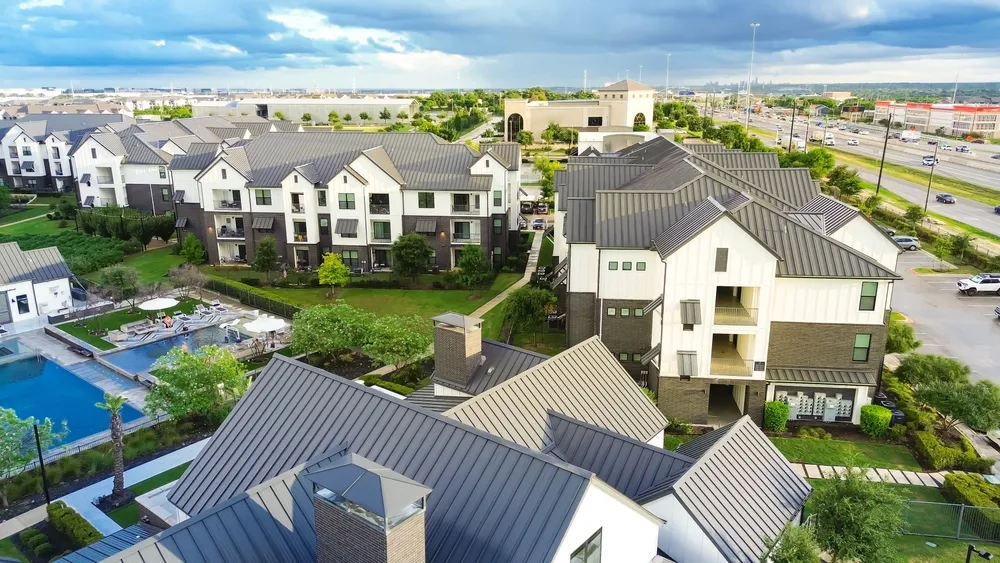
High-end apartment buildings in Nashville, Austin, and Dallas are struggling to fill units. At the same time, renters in those cities report spending a larger share of their income on housing than ever before. The disconnect is not a paradox. It reflects what got built during the last development cycle and who can afford it.
The oversupply is concentrated in top-tier, newly built properties, known in the industry as Class A, which offer premium amenities and command premium rents. Matthew Woods, CEO of Apartment List, a privately held rentals marketplace operating across the United States, says landlords in this segment are struggling the most to keep units rented. “Net new supply that is nicer and more expensive oftentimes is more challenged,” Woods says.
The cause is straightforward. During the era of historically low interest rates, developers flooded Sunbelt metros (the warm-climate, high-growth region spanning the South and Southwest) with new construction. Capital was cheap, vacancy was near zero, and rents were climbing. The logical response was to build at the top of the market, where profits were highest.
Where Units Landed
Those units are now delivering into a market where vacancy sits at multi-year highs. Woods notes that “four or five years ago, it was difficult to find an apartment community in Nashville, in Austin, in Dallas.” The scarcity that drove rents up and rewarded developers has reversed, but the pipeline of permitted projects has not.
Unlike San Francisco and New York, which have absorbed supply more quickly thanks to renewed hiring in AI and technology, Sunbelt markets have been far slower to recover. Woods observes that “vacancy in San Francisco looks very different than vacancy in Nashville and Austin.” Tech hiring concentrated on the coasts is widening that gap.
The mismatch between what got built and what renters can afford sits at the center of the problem. Most new inventory targets the top of the price spectrum. According to Apartment List’s research, more than half of Americans live paycheck to paycheck, and over 22 million renters spend more than 30% of their income on rent each month. These figures are broadly consistent with rent-burden trends reported by federal housing data in recent years. The renter pool that can comfortably pay Class A rents is thinner than developers projected.
Renters Gain Leverage
For renters in these markets, the implication is direct: properties competing for a smaller qualified tenant pool are more likely to offer discounts or perks, such as free months, waived fees, or flexibility on lease terms. That leverage is strongest at the luxury end, where the vacancy problem is most acute.
However, Woods notes that some operators are already adjusting strategy by building at lower price points to meet demand where it exists. If that pivot gains momentum, the current oversupply at the top could coexist with tightening conditions at more affordable levels, meaning budget-conscious renters may not benefit from the same dynamic.
Why Glut Persists
Projects permitted two or three years ago are still delivering. Woods describes the broader market as starting to stabilize, though Sunbelt metros specifically have lagged behind. The operators Woods speaks with describe their mood as “fairly neutral”: not panicked, but not optimistic. They are focused on cutting operating costs and finding marketing partners that guarantee results rather than spending speculatively on tenant acquisition.
Woods says operators are becoming “more and more disciplined about their marketing spend.” He attributes this shift, in part, to a broader move toward paying for results, such as a placed renter, rather than paying upfront for leads that may not convert.
What Comes Next
Woods points to three variables that will shape the rental market over the next year: the job market, whether wages grow relative to rent, and how technology changes search and discovery for renters. If income growth continues to trail rent growth in these markets, the mismatch between what is available and what renters can pay will deepen. Luxury units will stay empty longer while affordability tightens further down the ladder.
For now, renters searching in the premium tier of Sunbelt markets have negotiating room that did not exist three years ago. Those searching at more moderate price points face a different market entirely: little was built for them during the boom, and relief depends on whether developers follow through on the pivot Woods describes toward lower-cost supply.
About the Expert: Matthew Woods is CEO of Apartment List, a rentals marketplace tracking vacancy, affordability, and renter behavior across U.S. markets.
This article is intended for informational purposes only and does not constitute legal, financial, or investment advice. The views and opinions expressed herein reflect those of the individuals quoted and do not represent an endorsement of any company, product, or service mentioned. Readers should conduct their own due diligence and consult qualified professionals before making any investment decisions.
Similar Articles
Explore similar articles from Our Team of Experts.