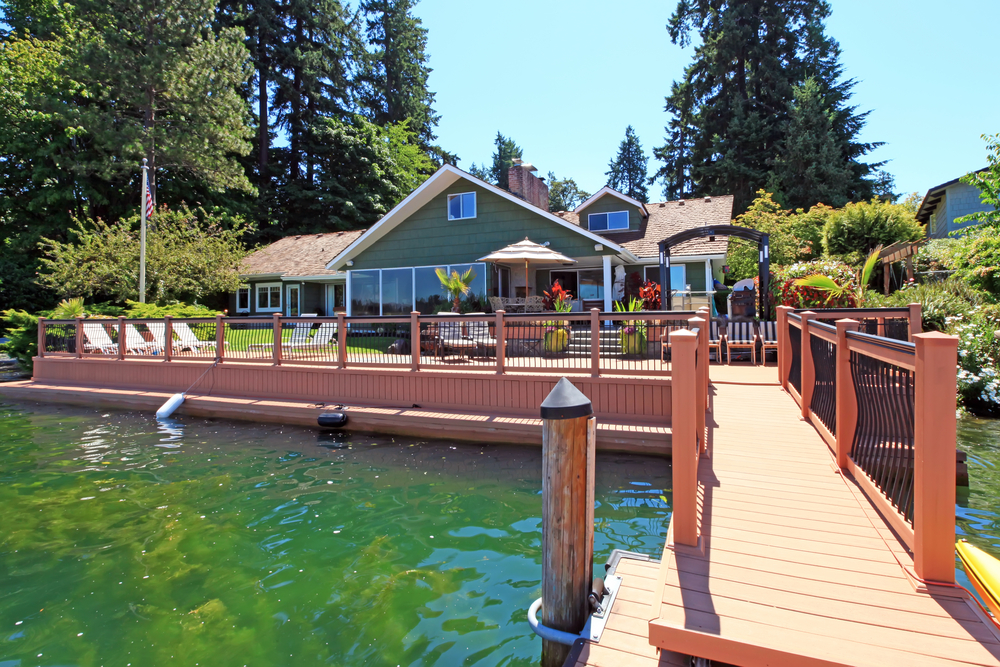
For the first time in years, buyers touring waterfront homes in Northern Michigan are no longer rushing to make offers within hours. Open houses that once drew crowds now see only a handful of visitors. Listings that used to sell in a week are now taking 60 to 90 days to close.
The frenzy of the pandemic era is over. What has emerged is, as Sander Scott, broker and owner at Net Real Estate, describes, “a much more balanced market.” After a surge of demand from remote workers and early retirees, Northern Michigan’s waterfront market has settled into a more typical pattern — though that doesn’t mean it’s easy for buyers or sellers.
A New Market Reality
In Leelanau and Grand Traverse counties, the dramatic difference from 2021 is clear. During the pandemic boom, nearly any home near the water sparked bidding wars, with buyers waiving inspections and offering tens of thousands over asking price to secure a deal.
Now, buyers are slower and more cautious. They often spend several weeks evaluating properties, asking detailed questions about shoreline conditions, zoning, and long-term usability. Scott notes that buyers are more deliberate, weighing shoreline type, privacy, and how the property will function over the years.
Homes that once closed in days now average two to three months from listing to closing. This longer timeline reflects careful due diligence, as buyers verify wetland boundaries, septic suitability, and dock potential before committing.
Why the Market Cooled
Three factors have brought Northern Michigan’s waterfront market back to a more sustainable pace.
First, the urgency that defined the post-COVID period has faded. During the pandemic, many people who owned summer cottages realized they could move up permanently and work remotely. Others accelerated retirement plans or made lifestyle changes after personal losses. Scott recalls clients who decided not to delay buying after losing loved ones to COVID-19. That wave of immediate demand has subsided.
Second, while inventory remains limited, it is no longer at crisis levels. Much of the Lake Michigan shoreline is protected by parks, conservation groups, or environmental regulations, which restrict new development. Waterfront parcels come on the market slowly, but buyers no longer feel compelled to buy the first property they see. The sense of panic that drove overbidding in 2021 and 2022 has eased.
Third, buyers are once again thinking about the long-term fit of a property. Instead of rushing into decisions, they are evaluating how a home will work for them over the next decade or more. Location, nearby amenities, and shoreline durability during storms and fluctuating water levels are back in focus.
What’s Typical Now
Deals are taking longer, giving both buyers and sellers more time to negotiate and review details. Properties with in-demand features — such as sandy beaches, sheltered bay locations, or easy dock installation — still attract quick offers. Even so, these transactions often take 30 to 45 days to close if financing or environmental checks are involved.
Homes lacking those standout attributes usually stay on the market longer. Sellers are adjusting expectations and may offer concessions, such as closing-cost credits or flexible move-in dates, to close deals.
How Buyers and Sellers Should Respond
Buyers now have the opportunity to be thorough. They can tour multiple properties, ask detailed questions, and negotiate without pressure to waive contingencies. It’s important to focus on practical aspects: shoreline type, the potential for docks, and any zoning or environmental restrictions that could affect future use.
If a property has drawbacks — such as a rocky shoreline or regulatory limitations — buyers can use these as negotiation points. Sellers are aware that these issues can slow interest and may be willing to adjust the price or offer credits.
For sellers, accurate pricing is critical. Overpriced properties can linger for months. If your home offers a feature buyers want, such as a sandy beachfront or a protected bay, highlight it in all marketing materials. If your property has limitations, consider addressing them upfront with credits or concessions to avoid lengthy negotiations.
Going Forward
Northern Michigan’s waterfront market has shifted from a period of intense competition to one with more time and flexibility for buyers and sellers. The supply of waterfront property remains limited by geography and regulation, so demand is unlikely to disappear. The most desirable homes—those with sandy beaches and strong dock potential — still sell quickly and often at a premium.
Scott points out that, “The supply of waterfront property is always structurally limited. It’s always going to tend more toward a seller’s market than a buyer’s market.” Despite a slower pace, the fundamentals of scarcity and long-term value remain.
For buyers, the current environment offers a chance to make well-considered decisions without pressure. For sellers, understanding buyer priorities and pricing realistically is more important than ever. The market now rewards properties that align with what today’s buyers want — livable, resilient, and ready for long-term enjoyment.
About the Expert: Sander Scott is a broker and owner of Net Real Estate, specializing in waterfront property, rural land, and recreational real estate across Leelanau, Grand Traverse, Benzie, and Antrim counties in Northern Michigan. A sixth-generation Leelanau County resident, Scott helps buyers navigate the region’s unique shoreline characteristics, land division rules, and environmental regulations.
This article is based on information provided by the expert source cited above. It is intended for general informational purposes only and does not constitute legal, financial, or real estate advice. Readers should conduct their own research and consult qualified professionals before making any real estate or financial decisions.