
Most veterans know they have a VA loan benefit. Far fewer know what it can actually do — and that gap is costing them. Lourdes Fernando, a Realtor and investor with Keller Williams ONEChic...

In Southern California, Condition Is Deciding Which Homes Sell in Days and Which Sit for Months

Written by:
Date:
31 Jul 2026
Share via Facebook

Share via Linkedin

Share via X

Copy to clipboard

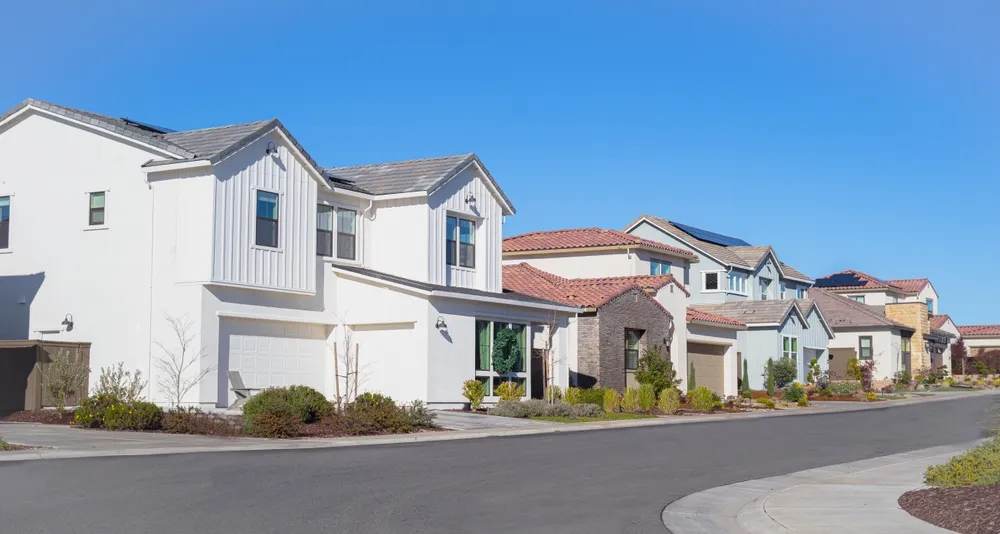
The gap between what sells fast and what lingers in Southern California’s inland and coastal submarkets has less to do with location than most buyers assume. In the corridor stretching from Temecula and Murrieta through Fallbrook and down into Oceanside, Carlsbad, and Vista, the dividing line is increasingly about condition and price, not neighborhood prestige alone.
Adam Nogueira, a Realtor with Living in SoCal, works both sides of that divide across southwest Riverside County and North County San Diego. His recent transactions illustrate how sharply the market rewards move-in-ready homes at accessible prices, and how steeply it discounts anything that doesn’t meet that standard.
The Price Thresholds
Nogueira breaks the competitive landscape down by city. In Fallbrook, single-family homes under $800,000 on a little land move quickly as long as they’re in good condition. In Oceanside, that threshold sits under $900,000 for a single-family home south of the 76. In Vista, it’s a similar range. In Carlsbad, anything under $1.3 million attracts significant buyer attention.
Above those lines, the pace changes. “Luxury homes are sitting a little longer,” Nogueira says. At first-time-buyer prices, well-presented inventory still draws multiple offers within the first week.
The pattern creates a two-speed market where the same region produces very different experiences depending on what’s being listed and at what price.
Why Condition Matters
A recent Fallbrook transaction puts the condition premium into concrete terms. A seller had owned a single-family home for more than 15 years. It was dated, with old carpet, outdated kitchen and bathrooms, and unfinished remodels that would have made the property unlendable for FHA and VA buyers.
Nogueira invested approximately $45,000 of his own capital into renovating the property before listing. His estimate of the as-is value was around $525,000. After renovation, the home received multiple offers in its first week and sold for $730,000.
“Most new home buyers are still hesitant to taking on big projects,” he says. That reluctance, combined with financing restrictions on properties in poor condition, means dated homes face a narrow buyer pool, mostly cash investors looking for a discount. A renovated home at the same address accessed a much larger pool of financed buyers competing against each other.
The seller came out of pocket for nothing; the renovation costs and associated fees were deducted at closing. The return exceeded three-to-one on the renovation investment.
Who’s Actually Buying
The dominant buyer profile in Nogueira’s practice is downsizers, people in larger homes in Orange County or Los Angeles looking to move into something smaller in a more affordable area. Many are buying with cash.
Fallbrook draws buyers who want a rural feel while remaining relatively close to the coast; certain areas sit only 30 minutes from the beach. It also runs cooler than Temecula, which matters to buyers relocating from coastal climates. The tradeoff is a higher price than inland alternatives.
Anza, further out, attracts a different buyer entirely: first-time purchasers and retirees looking to build a home at low cost.
Sellers Are Split on the New Reality
On the listing side, Nogueira describes seller expectations as evenly divided. “Some sellers still haven’t grasped the fact that the market has shifted. It’s much more of a buyer’s market today than it was a few years ago,” he says. “Other sellers are more understanding and recognize the data.”
The practical consequence: buyers in mid-2025 can negotiate in ways they couldn’t two or three years ago. Initial pricing largely determines how much flexibility a seller will need to offer.
The Waiting Game and Its Costs
For buyers sitting on the sidelines hoping for rate relief, Nogueira frames the decision as a gamble. According to Nogueira, property prices in the area are typically appreciating at about 4% per year, while rents increase 3 to 7% annually. Wages generally don’t keep pace with home price appreciation, which means waiting can price buyers out of markets they could currently afford.
His lenders anticipate some rate drops, Nogueira says, but the timing is uncertain. If rates do fall, he expects competition to return and prices to rise, as happened during COVID, when rates dropped significantly, and the area saw 13 to 20% appreciation year over year. In that scenario, a buyer who waited for a lower rate might end up with a higher monthly payment than if they had bought at today’s prices and refinanced later.
His advice is practical: if a buyer can afford the payment today and plans to stay at least five to seven years, the current environment offers negotiating leverage that may disappear when competition returns. “You can always refinance,” he says, “but you can’t always negotiate.”
What This Market Rewards
The through line across Nogueira’s transactions is that condition and pricing precision now determine outcomes more than they did when rates were lower and buyer pools were deeper. A clean, updated home priced below the competitive threshold for its city still sells fast. A dated home above that threshold sits, regardless of location or lot size.
For sellers, the clearest path to a strong outcome is closing the gap between a home’s current condition and what financed buyers can qualify to purchase. For buyers willing to act now, the combination of negotiating leverage and future refinancing potential makes the current market more accessible than the headline rate suggests.
About the Expert: Adam Nogueira is a Realtor with Living in SoCal, serving the corridor from Temecula and Murrieta through Fallbrook and into Oceanside, Carlsbad, and Vista across southwest Riverside County and North County San Diego.
This article is based on information provided by the expert source cited above. It is intended for general informational purposes only and does not constitute legal, financial, or real estate advice. Readers should conduct their own research and consult qualified professionals before making any real estate or financial decisions.
Similar Articles
Explore similar articles from Our Team of Experts.