

After several years of volatility, the multifamily real estate sector is showing clear signs of stabilization. Recent data indicate that major corrections in pricing and fundamentals have la...

Kansas City's Two-Speed Housing Market Is Splitting Along a Single Line: Move-In Condition

Written by:
Date:
23 Jul 2026
Share via Facebook

Share via Linkedin

Share via X

Copy to clipboard

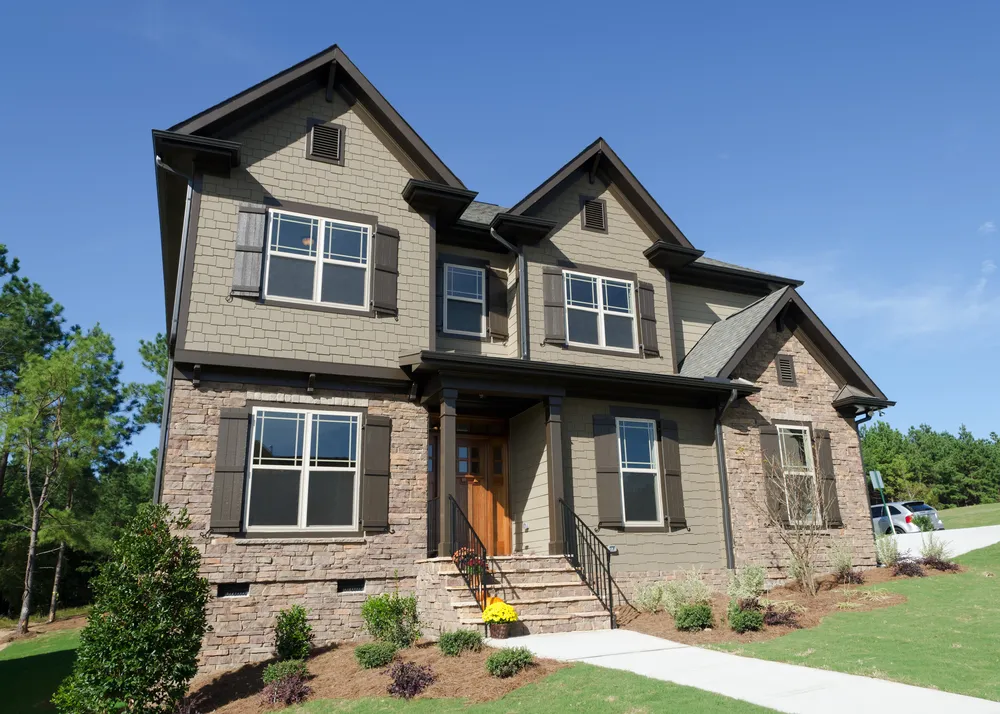
The Kansas City metro area has a median home price around $450,000 and enough inventory variety to serve both first-time buyers and out-of-state relocators. But the factor determining whether a listing sells in a week or sits for more than 30 days isn’t price, neighborhood, or even school district; it’s the condition of the home at listing.
Max Jones, Co-Founder & Team Leader of the MoJo Real Estate Team at Keller Williams Kansas City North, has been working the market since 2004. His team expects to close roughly 450 transactions this year and currently manages about 60 pending deals at any given time. From that volume, a clear pattern has emerged.
“Listings that are really updated, especially in the kitchen and the master bathrooms, we’re still seeing those sell within the first week,” Jones says. “But anything that requires a little bit of cash after the buyer buys the house, we’re seeing those languish on the market a little longer.”
Two of his own active listings illustrate the point. Both are in the $500,000 range, both sit in strong Northland school districts, Park Hill and Staley, and both have been on the market for more than 30 days. The issue in each case is cosmetic: dated interiors, carpet that needs replacing, paint that needs refreshing. The homes are getting showings, but buyers aren’t making offers.
Who’s Actually Buying
The team’s transaction mix has shifted over the past three years. With mortgage rates around 6.5% – roughly double what many current homeowners locked in – the move-up buyer has largely disappeared. Families that might have upgraded to a four-bedroom are staying put rather than trading a 3.5% rate for a larger payment.
What remains are buyers who must transact: relocations, divorces, job transfers, retirees downsizing, people moving into assisted living, and heirs liquidating inherited properties. “The past three years we’ve worked primarily with people that have to move rather than people that just want to move,” Jones says.
Within that universe, two distinct segments dominate. First-time buyers cluster below the median, competing for limited inventory under $350,000. Relocators – often remote workers arriving from California or other high-cost markets – tend to buy in the $600,000 to $800,000 range, well above the metro median. Jones says these buyers are selling properties worth $2 million to $4 million elsewhere and purchasing comparable square footage at a fraction of the cost.
For buyers in the lower tier, the scarcity of move-in-ready homes under $350,000 means the condition gap hits hardest where affordability pressure is already greatest. Relocators buying above the median have more options and more flexibility to absorb renovation costs, but even they are passing on dated interiors when updated alternatives exist nearby.
Teardowns and Suburban Sprawl
Kansas City’s growth is happening simultaneously at the urban core and the suburban edges. In established neighborhoods like Prairie Village on the Kansas side – where character-rich streets meet strong school districts – builders are buying older ranches for around $350,000, spending roughly $50,000 on demolition, and constructing homes that sell for approximately $1.5 million. Jones describes meeting with builder James Engel, who has been working in that Prairie Village area for years and is one of several builders replacing aging housing stock with new construction in the area.
On the suburban perimeter, master-planned communities are expanding in Liberty, Olathe, Lee’s Summit, Raymore, southern Leawood, and southern Overland Park. Liberty’s Montage development, near Liberty North High School, mixes commercial, retail, multifamily, and single-family housing. The area near Kansas City International Airport is also growing after the decision to renovate the airport and keep it in the Northland.
The result is two distinct construction markets operating side by side: infill teardowns serving buyers who want walkable, established neighborhoods with top schools, and suburban new builds serving families prioritizing space and newer amenities at a lower cost per square foot.
The NAR Settlement
Jones wrote a recent press release arguing that the commission transparency changes stemming from the NAR settlement have been net positive for the industry, a position informed by more than 20 years of practice under the old system.
Under the previous structure, a listing agent negotiated the commission with the seller and offered a portion on the MLS to the buyer’s agent. The buyer had no mechanism to see what their agent was being paid, the commission appeared only on the seller’s settlement statement. Now, the buyer’s agent compensation is negotiated alongside the purchase price and appears on the contract.
“A lot of people predicted that commissions would come down as a result of that change, and we haven’t seen that happen,” Jones says. “But we have seen a lot more transparency, which I think is a really good thing.”
Jones notes that the change also eliminated a previous inconsistency where buyer’s agents could be offered varying amounts – 2%, 3%, 4%, or even flat bonuses – without the buyer knowing. The new structure makes that compensation visible to all parties in the transaction.
Looking Ahead
Jones sees significant pent-up demand building beneath the current market’s surface. If rates decline, he expects a return to competitive conditions, potentially resembling the multiple-offer environment of 2021, when homes routinely sold $20,000 to $40,000 over asking price. “It’s probably best that they’re staying high for a little while and letting that inflation kind of calm down a little bit,” he says.
For sellers weighing whether to list now or wait for that shift, the condition gap offers a clear signal. Updated homes are still selling quickly even in a slower market. Homes that need work are absorbing the full weight of buyer selectivity, and if competitive conditions do return, sellers who invested in updates before listing will be positioned to capture multiple offers rather than negotiate from a weakened position after weeks on market.
About the Expert: Max Jones is Co-Founder and Team Leader of the MoJo Real Estate Team at Keller Williams Kansas City North, with experience in the market since 2004. His team expects to close approximately 450 transactions this year.
This article is based on information provided by the expert source cited above. It is intended for general informational purposes only and does not constitute legal, financial, or real estate advice. Readers should conduct their own research and consult qualified professionals before making any real estate or financial decisions.
Similar Articles
Explore similar articles from Our Team of Experts.