
For much of 2023 and 2024, Texas multifamily operators were fighting a war of attrition; new supply flooded Sun Belt markets, concessions became standard practice, and occupancy rates slippe...

Tampa Bay's Suburbs Are Drawing Military Families Away from Base Proximity

Written by:
Date:
08 Jul 2026
Share via Facebook

Share via Linkedin

Share via X

Copy to clipboard

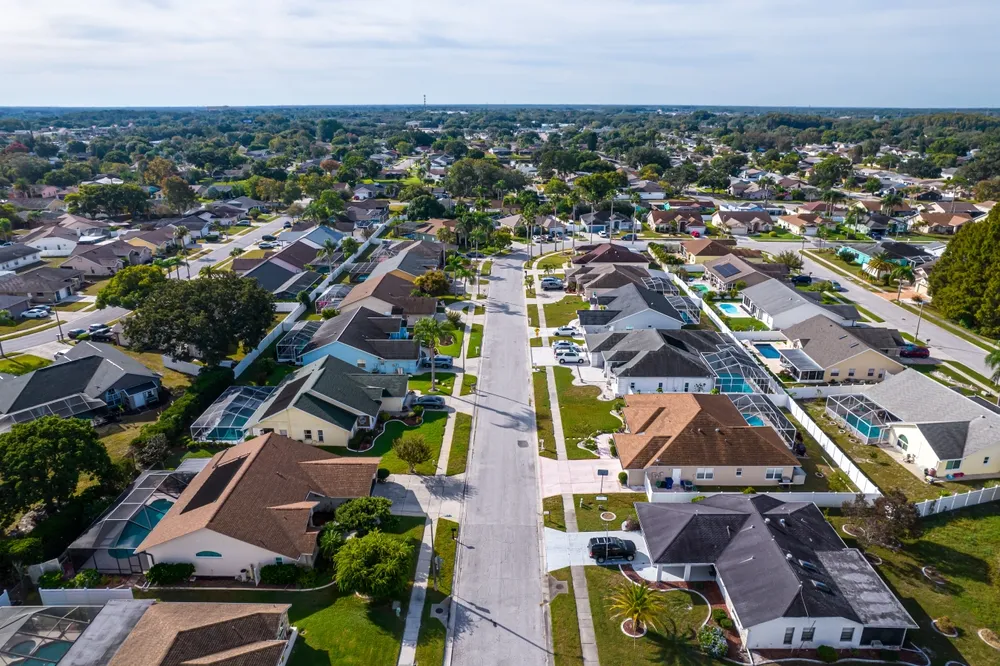
Military families relocating to the Tampa Bay area are increasingly bypassing neighborhoods near MacDill Air Force Base in favor of surrounding suburbs. The shift is driven by school quality, family-oriented communities, and lower prices per square foot. According to Oleg Shypitsyn, a Real Estate Advisor with LPT Realty’s Military Veteran Team, relocating buyers are evaluating livability and long-term value over proximity to base, a pattern that has accelerated as inventory has risen and buyer competition has thinned since the pandemic years.
The result is a market where military families have more leverage and more choices than they did even two years ago, even as rate-lock effects keep many existing homeowners from listing.
A Military Transaction
What distinguishes a military relocation deal from a standard residential purchase is the timeline. Buyers often have three days – not weeks – to evaluate properties and make decisions.
Shypitsyn describes a recent transaction: a client relocating from California to MacDill had three days in Tampa and 15 homes scheduled across that window. In his experience, one spouse typically views the properties in person, they fly home, and the decision gets made remotely.
“We had 15 homes scheduled in these three days,” Shypitsyn says. “They fly back home, wherever they’re coming from, and they make decisions.”
That compressed window requires agents to front-load coordination – scheduling inspections, lining up vendors, and narrowing options before the buyer arrives. For military families, the transaction needs to function as a turnkey service rather than an exploratory process. Shypitsyn says his team handles inspection scheduling, vendor coordination, and all logistics so that the buyer’s only job during their visit is viewing homes.
For buyers navigating this timeline, working with an agent who has completed specialized military training – covering allowances, timelines, and VA-specific requirements – can prevent costly missteps that eat into an already narrow decision window.
Why Suburbs Are Winning
The shift away from base-adjacent neighborhoods follows a straightforward logic: suburbs offer more house for the same money, paired with access to higher-rated schools and quieter communities.
“A lot of clients are looking more in the suburbs of Tampa, not specifically nearby the base, because suburbs have great schools, great family-oriented neighborhoods,” Shypitsyn says. “You can get more house for the same amount of money.”
Tampa’s relative affordability compared to Southeast Florida is part of the draw. Shypitsyn notes that prices remain well below those in Miami, Naples, and Fort Myers, while the metro area continues adding corporate infrastructure – including data science centers – that supports long-term growth. He says there is local conversation about Tampa eventually reaching Miami-level pricing. For now, the price gap is a concrete advantage for buyers on military allowances and fixed budgets.
For families weighing Tampa against other Florida metros, the suburbs offer a combination that base-adjacent neighborhoods and pricier coastal cities do not: space, schools, and room in the budget for the unexpected costs that come with any relocation.
Motivation Still Drives Deals
The Tampa market has cooled from pandemic levels, with more inventory and fewer buyers. Yet military transactions continue because they are driven by orders, not market timing.
“With military clients, if they need to move, they will move. It’s not like they’re moving just to move,” Shypitsyn says.
The discretionary buyer – someone looking to upgrade or invest without a relocation mandate – is more likely to stay put, especially if they locked in rates in the low twos or threes during the pandemic or subsequent refinancing windows. Shypitsyn says those homeowners may “think twice” about selling when they already hold a rate far below current levels.
This creates a two-speed dynamic: mandatory movers transacting regardless of conditions, and discretionary owners held in place by their existing mortgage terms. For relocating military families, the practical effect is favorable. Adequate supply and muted demand mean more negotiating room and less competition on offers than they would have faced during the pandemic spike.
Shypitsyn also notes that the pandemic-era surge of investors converting Tampa properties to Airbnbs has subsided. That wave, driven partly by hotel occupancy restrictions that limited guests per room while short-term rentals had no such caps, oversaturated the market and pulled back. The result is fewer investor-driven bidding wars on the family-oriented homes military buyers typically target.
VA Loan Inspections
When deals fall apart, the friction point tends to be property condition rather than financing. VA loans carry stricter inspection requirements than conventional mortgages, and properties that fail to meet those standards can derail otherwise solid transactions.
“I would say that would be the biggest killer of the deal, because VA loans, their requirements are a little bit more strict to make sure properties are in good condition,” Shypitsyn says. Since his team pre-qualifies every buyer with their lenders before beginning a home search, financing rarely surfaces as the issue. Physical property standards create the gap.
For sellers in Tampa Bay hoping to attract VA-eligible buyers, a meaningful share of the active buyer pool near a major military installation, addressing common condition issues before listing could prevent failed contracts. In a market with ample competing inventory, a property that clears VA inspection standards without renegotiation holds a distinct advantage over one that does not.
What Comes Next
Rate expectations are shaping sentiment more than activity. Shypitsyn says that based on recent signals from financial institutions, rates will likely hold near current levels rather than drop meaningfully in the near term. Some sources suggest rates could tick slightly higher. If rates do decline, he expects a modest uptick in activity rather than a surge; the market is “relatively flat,” with seasonal patterns providing more reliable volume shifts than monetary policy changes.
Shypitsyn’s advice to buyers hesitating on timing is direct: “If you like the property, make a move. You can always refinance if you need to. If interest rates drop, but if interest rates go up, you’ll be happy that you made a move.”
For military families on mandatory timelines, that advice is less about strategy and more about reality; they are moving regardless. The current conditions in Tampa Bay’s suburbs give them more purchasing power than they would find in Southeast Florida and less competition than they faced during the pandemic. Whether that gap narrows as Tampa’s corporate base expands is a question for future buyers. For those relocating now, the math works in their favor.
About the Expert: Oleg Shypitsyn is a Real Estate Advisor with LPT Realty’s Military Veteran Team, serving the Tampa Bay area with a focus on military relocation transactions near MacDill Air Force Base.
This article is based on information provided by the expert source cited above. It is intended for general informational purposes only and does not constitute legal, financial, or real estate advice. Readers should conduct their own research and consult qualified professionals before making any real estate or financial decisions.
Similar Articles
Explore similar articles from Our Team of Experts.