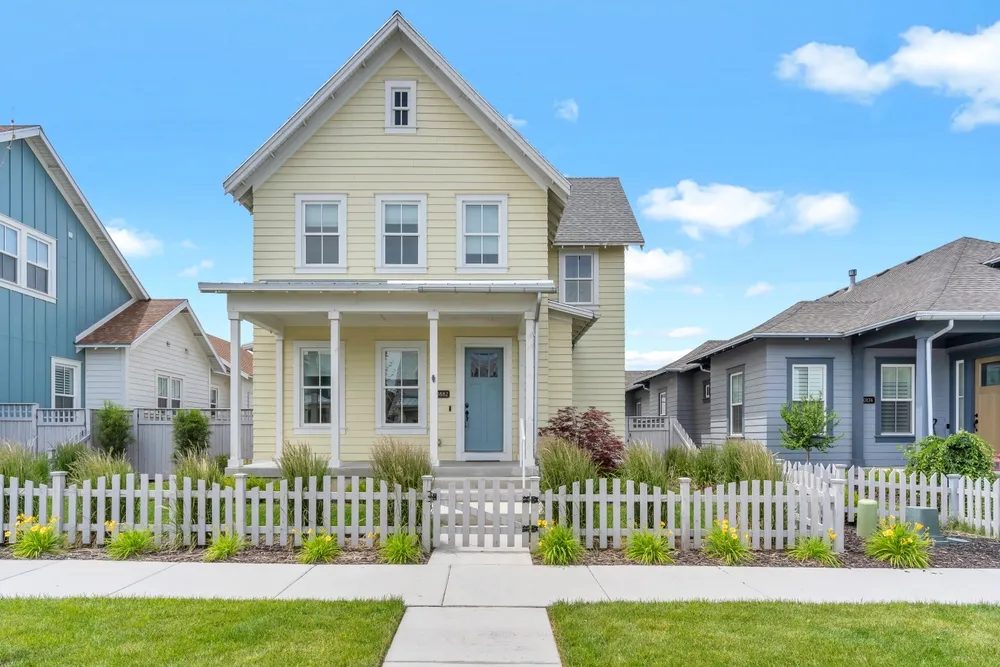
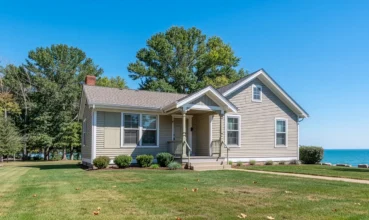
In many parts of the country, new construction has served as a pressure valve for tight housing inventory. In New York’s Capital Region, that dynamic plays out differently. Builders here don’t break ground speculatively. They wait for a buyer to walk in the door first, which means the pipeline of new homes is moving, but not fast enough to meet demand.
That gap between what buyers want and what’s available has defined the Capital Region market for several years, and shows little sign of closing soon. With major employers preparing to bring thousands of new workers into the area, the imbalance is poised to deepen rather than resolve.
A Market Built on Custom Orders
Kerry Loiselle, a Licensed Associate Real Estate Broker with Sterling Real Estate Group, has spent more than 15 years working in the region with a primary focus on new construction. Her brokerage operates in close partnership with New York Development Group, which acquires and develops land before connecting with builders. Agents like Loiselle then represent those builders on the sales side, giving her direct visibility into how new homes actually come to market.
The build-to-order model means new construction responds directly to buyer needs, but it also means inventory doesn’t accumulate. Every home in the pipeline already has a name. “We don’t build the home until the buyers come to us,” Loiselle explains. “They tell us what they want, where they want it, and what they’d like in the home.”
The result is a market where buyers routinely wait eight to ten months for a finished product, and where that wait has become an accepted part of the process. Inventory has remained low for three to four years, and many buyers are simply waiting for the right home to appear.
Steady Demand Across Buyer Types
The buyers showing up in the Capital Region represent a broad cross-section. Loiselle works regularly with first-time buyers, but also with families moving into larger homes and empty nesters looking to simplify after their children have left.
A recent closing captures the range well. A Navy serviceman relocated to the area for a posting at a nearby base and purchased a newly built home in Wilton, New York, on roughly an acre of land. The property put his family within ten minutes of the base and five minutes of major thoroughfares, while offering the kind of space that’s hard to find closer to urban centers.
That combination of accessibility and space is a recurring theme. The Capital Region sits at the intersection of several draws: a strong base of employers, a cluster of well-regarded colleges and universities, and proximity to outdoor destinations including the Adirondacks, Lake George, and Saratoga Lake. “People come here whether they’re relocated through work, they come to go to a good college in this area, or they just love the idea of enjoying all four seasons,” Loiselle says.
When Deals Get Complicated
Even in a seller-friendly market, transactions don’t always run smoothly. Inspection issues are the most common deal-breaker Loiselle encounters, but the more instructive cases involve problems that require creative problem-solving rather than a simple price adjustment.
One recent transaction involved a first-time buyer, a single mother purchasing a home for herself and her children. The property carried a zoning classification that mixed agricultural and residential designations, which raised concerns with the lender. Rather than letting the deal collapse, Loiselle worked directly with the town to navigate the rezoning paperwork, ultimately securing a clean residential classification. The buyer closed and has since moved in.
That kind of behind-the-scenes work rarely comes up in conversations about real estate. Loiselle describes the role as closer to counselor than salesperson, negotiating inspection repairs, resolving lender issues, and sometimes simply providing emotional support through a stressful process. “The biggest misconception is that as a realtor we just open doors,” she says.
What’s Coming Next
Looking into the latter half of 2026 and beyond, the inventory pressure in the Capital Region is unlikely to ease on its own. Several incoming industrial employers are expected to bring thousands of new workers to the area to staff newly built facilities. More residents means more housing demand, and with the existing supply already stretched, the math isn’t encouraging for buyers hoping conditions will loosen.
Loiselle expects the strain to extend beyond the purchase market into rentals as well, particularly near college campuses and employment centers where incoming workers and students are likely to concentrate before deciding whether to buy. For investors watching the region, that dynamic points toward rental demand as a near-term opportunity.
The Capital Region isn’t a market that makes headlines the way coastal cities do. Still, its demand drivers are durable – steady employment growth, educational institutions drawing new residents, and lifestyle appeal that spans seasons. For buyers willing to plan and commit to a build timeline, new construction remains a viable path into a market where move-in-ready options are genuinely scarce. The question isn’t whether demand will persist, but whether supply can respond quickly enough to keep pace.
About the Expert: Kerry Loiselle is a Licensed Associate Real Estate Broker with Sterling Real Estate Group, with more than 15 years of experience in New York’s Capital Region specializing in new construction sales.
This article is based on information provided by the expert source cited above. It is intended for general informational purposes only and does not constitute legal, financial, or real estate advice. Readers should conduct their own research and consult qualified professionals before making any real estate or financial decisions.